Buckingham Palace
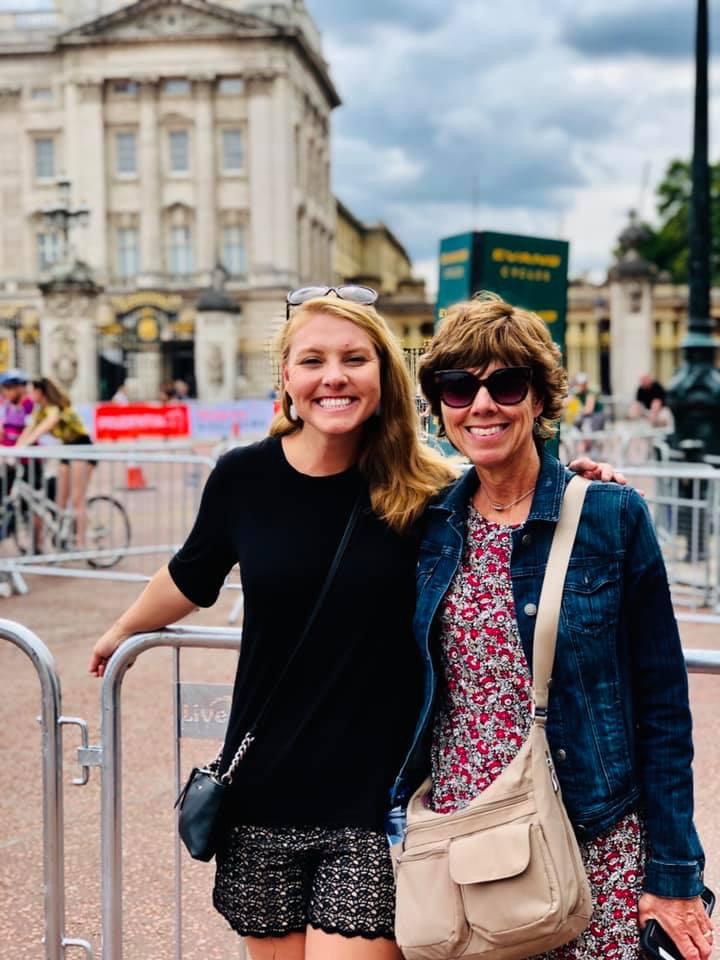
Buckingham Palace is the royal residence in London, which is the capital city both of England and of the entire UK. According to my research, it is unlikely that any of the royal family actually reside here, although there are rumors to the contrary, so who knows! In addition to being considered the home (when desired) of the royal family, it is also a place where state government occasions, including lavish banquets, are held. My Google search revealed that government visitors are housed there during their stay in London, (lucky ducks)!
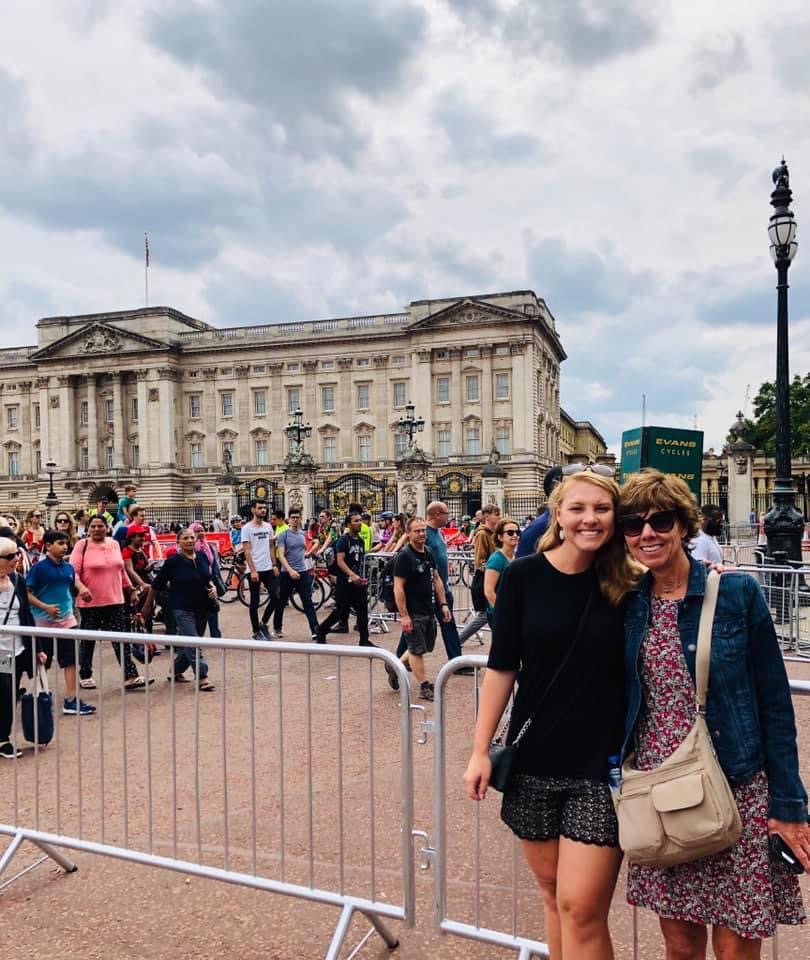
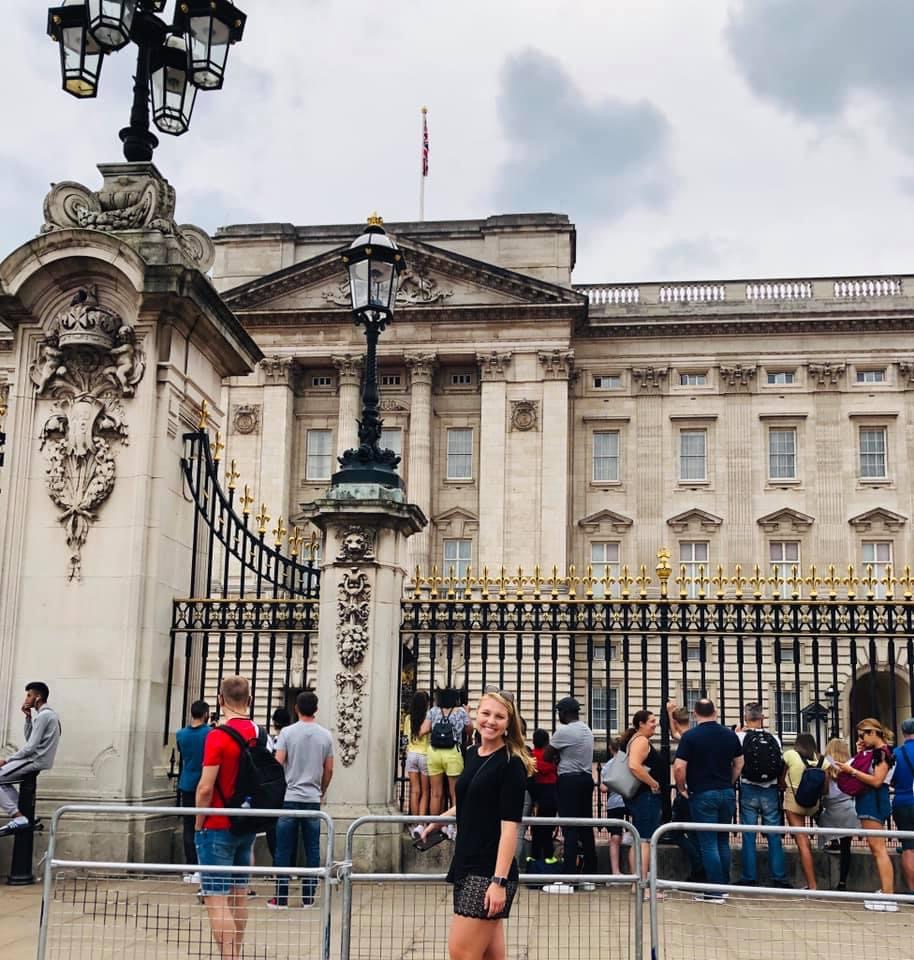
Members of the royal King’s Guard stand stoically outside of Buckingham Palace 24-7! Smiling is forbidden and—this would leave me out—toilet breaks are also forbidden!
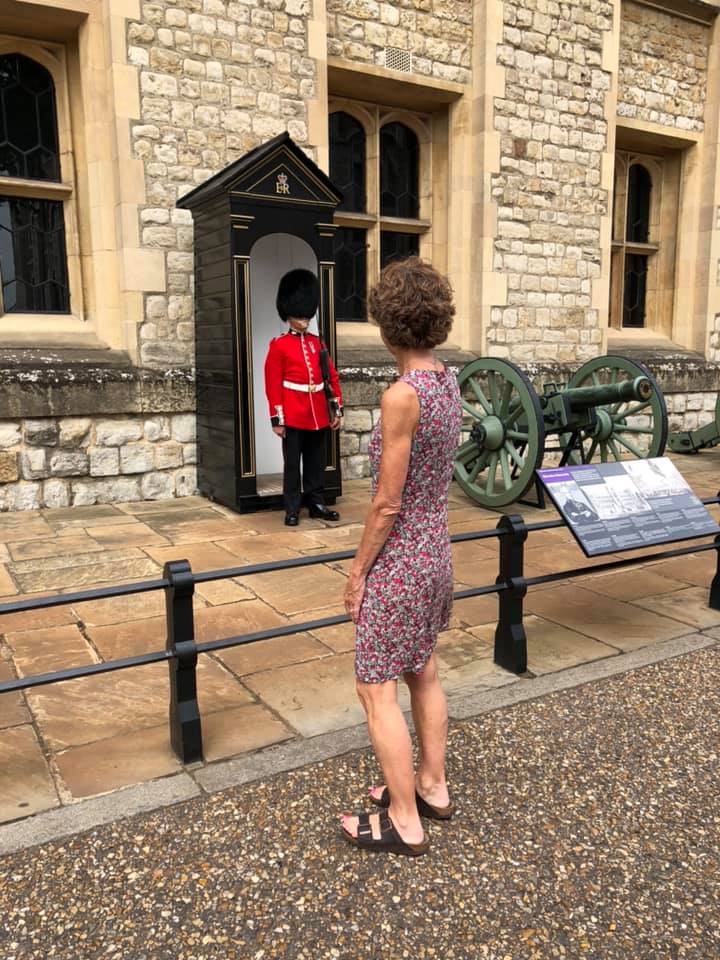
The Tower of London
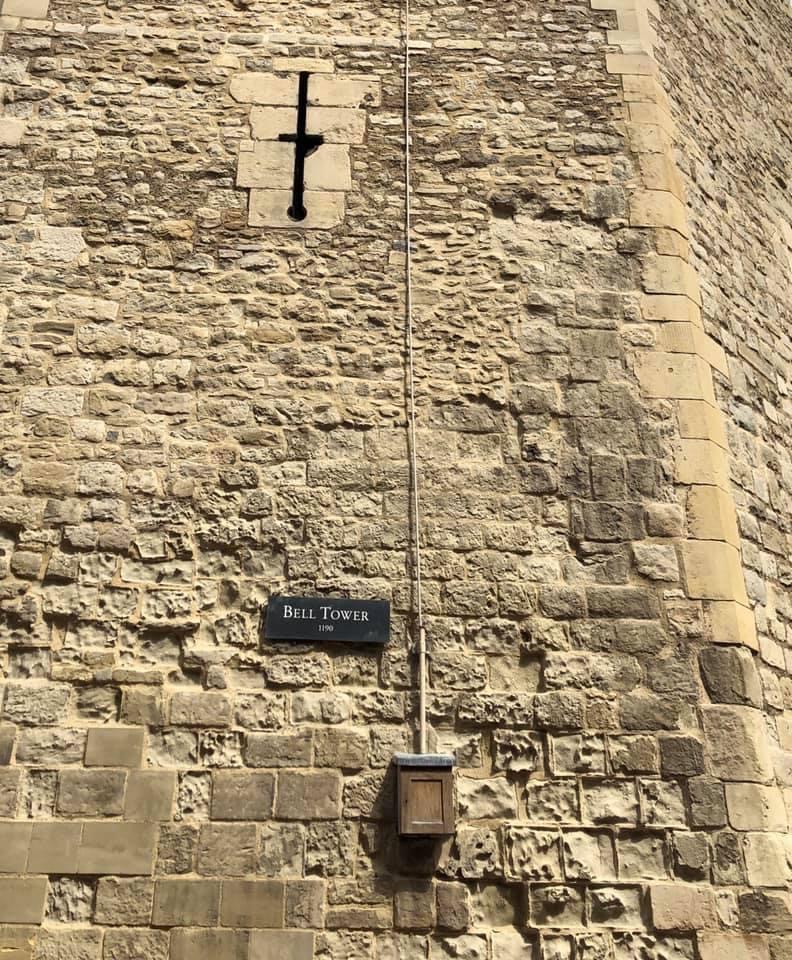
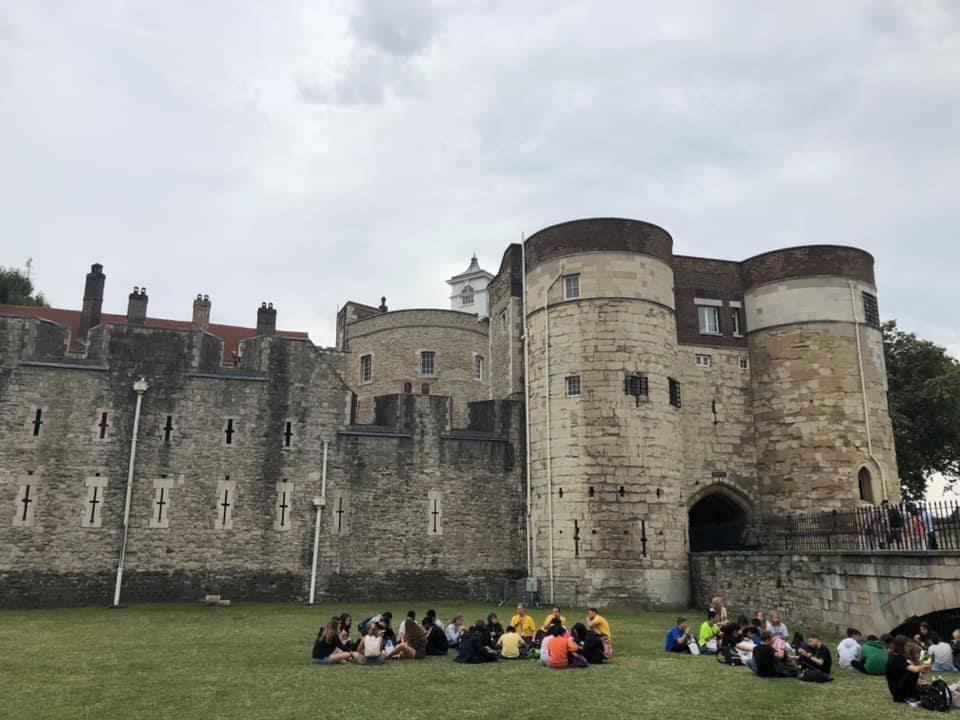
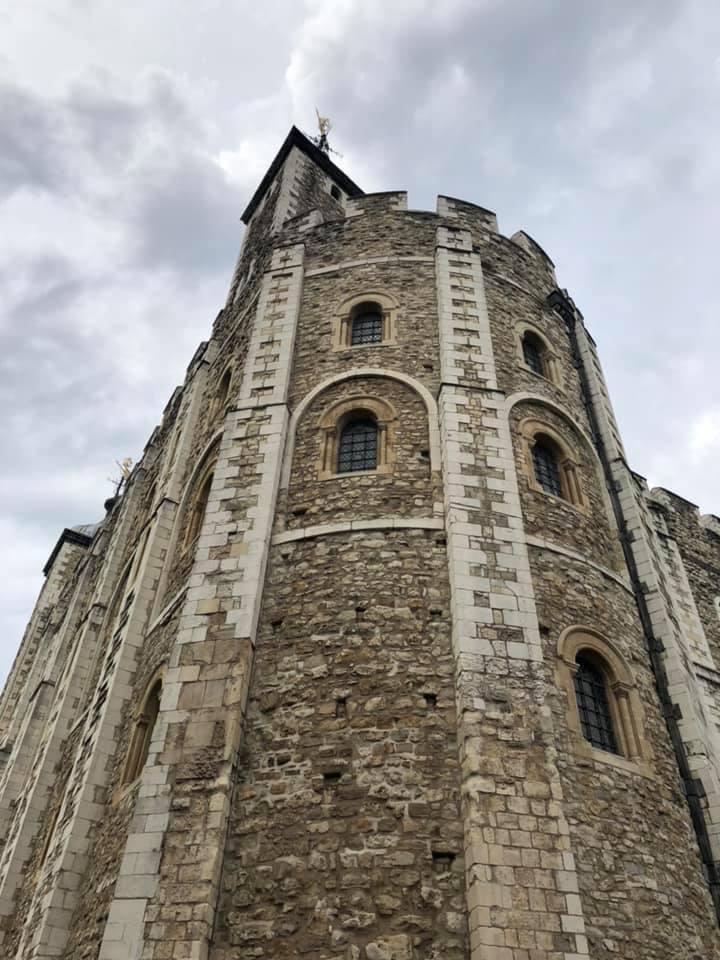
The Tower of London, a historic castle, has served as—get ready—a fortress, residence for royals, prison, a mint, site of public offices, an observatory, place of military barracks, place of execution, and a zoo! Wow. Now that is a place with a disparate and fun history!
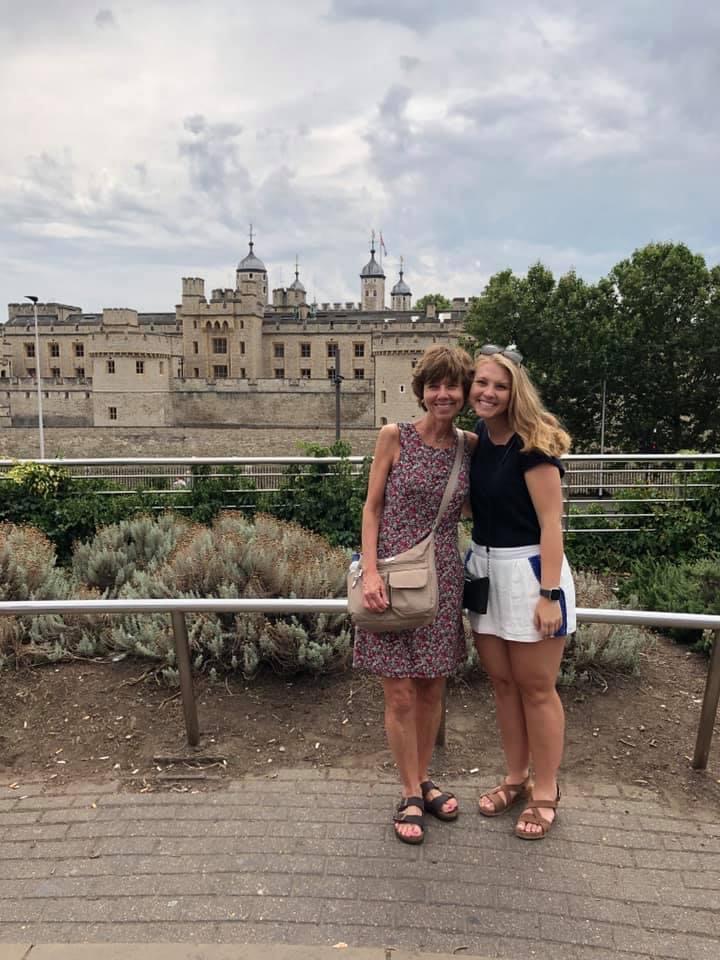
The Tower of London Museum
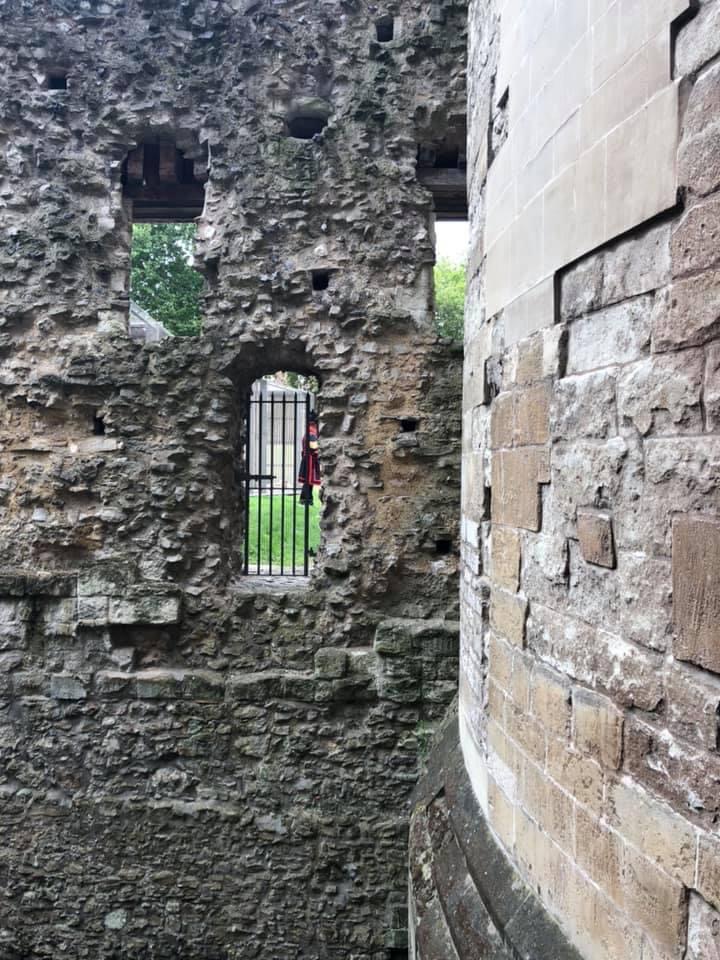
Going into the Tower of London was one of my favorite things to do in London! Climbing the many ancient, unevenly placed to slow attackers in olden times, stairs was—crazy, I know—so much fun to me. I loved seeing the many artifacts and royal relics in the museum, but mostly loved the feeling of being in an ancient castle.
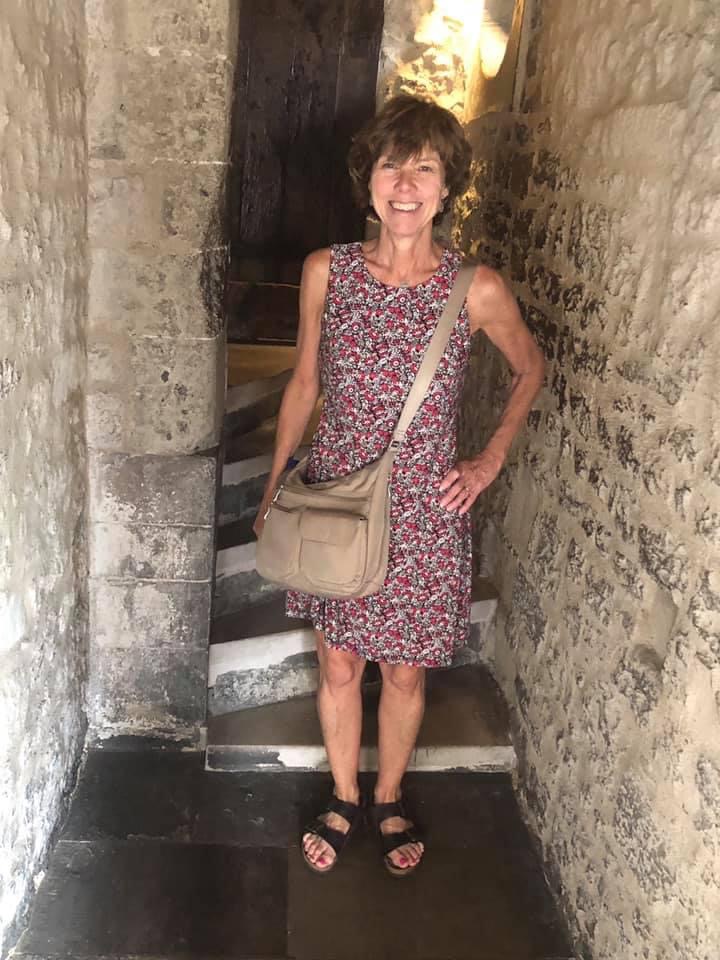
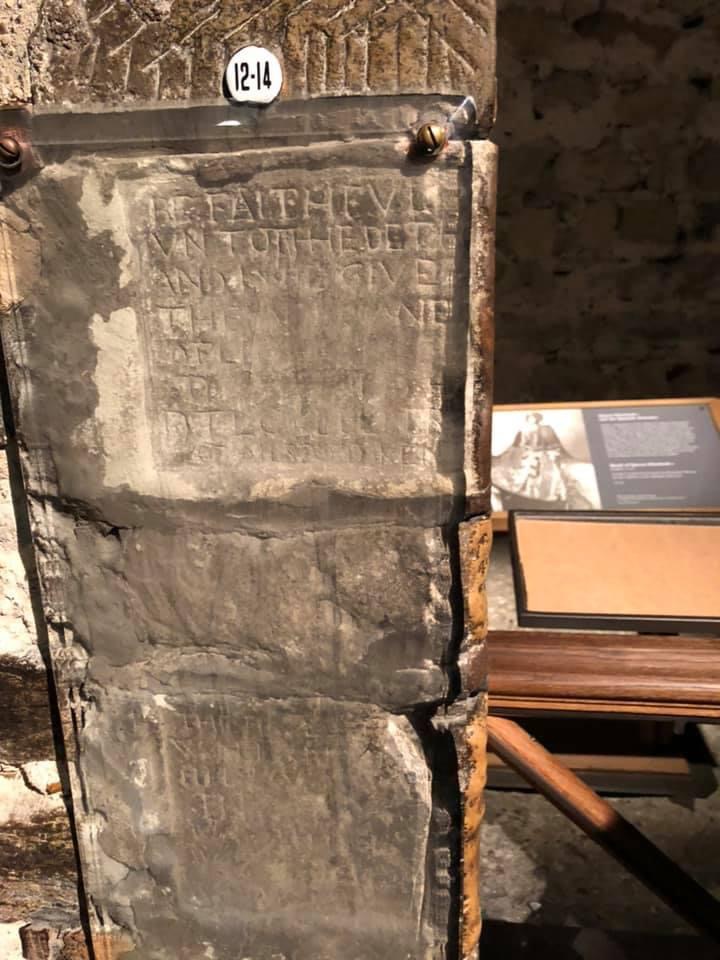
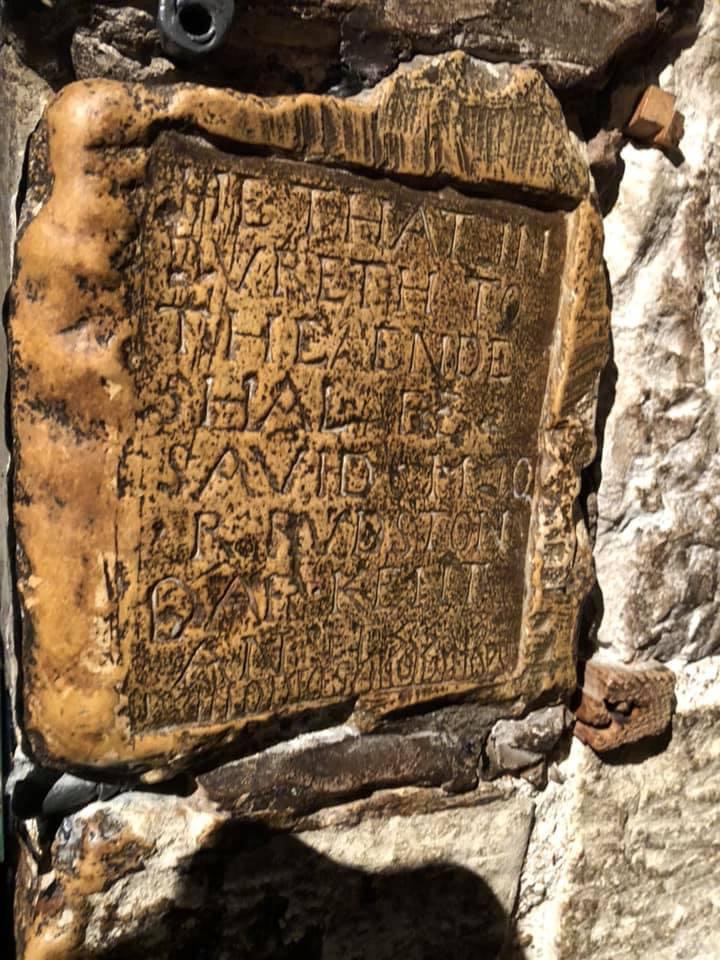
The inscriptions shown here were carved by two prisoners who raised a rebellion in Kent against Mary 1, in 1554. Robert Rudston and Thomas Culpepper were both sentenced to death, but later released in return for heavy fines. A placard nearby told me that the inscriptions read: “Be faithful unto the death and I will give thee a crown of life”; and “He that endureth to the end shall be saved”.
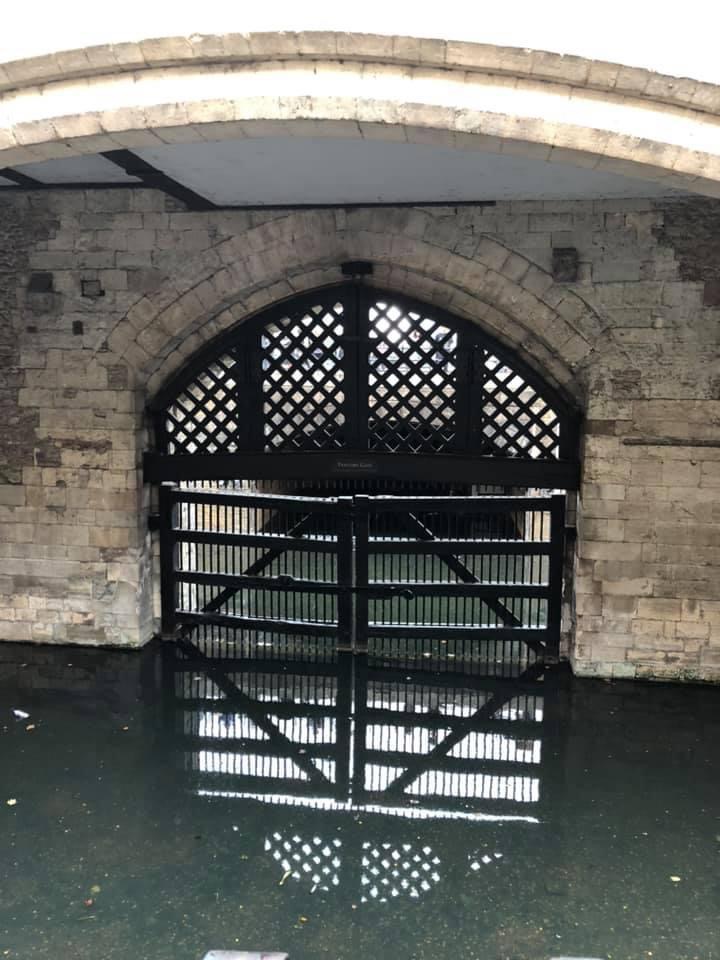
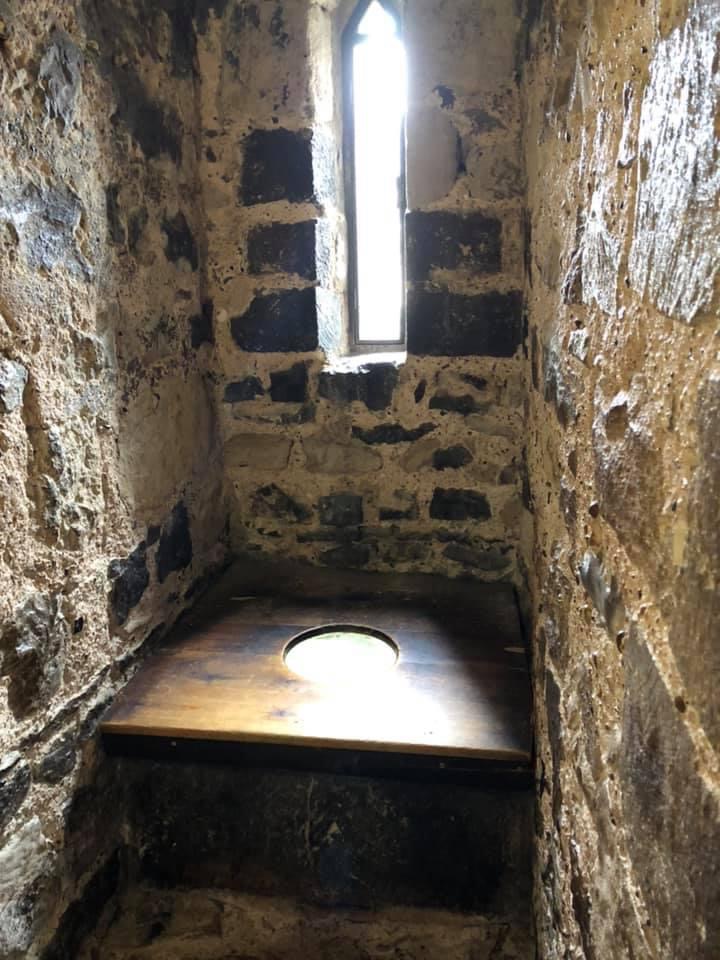
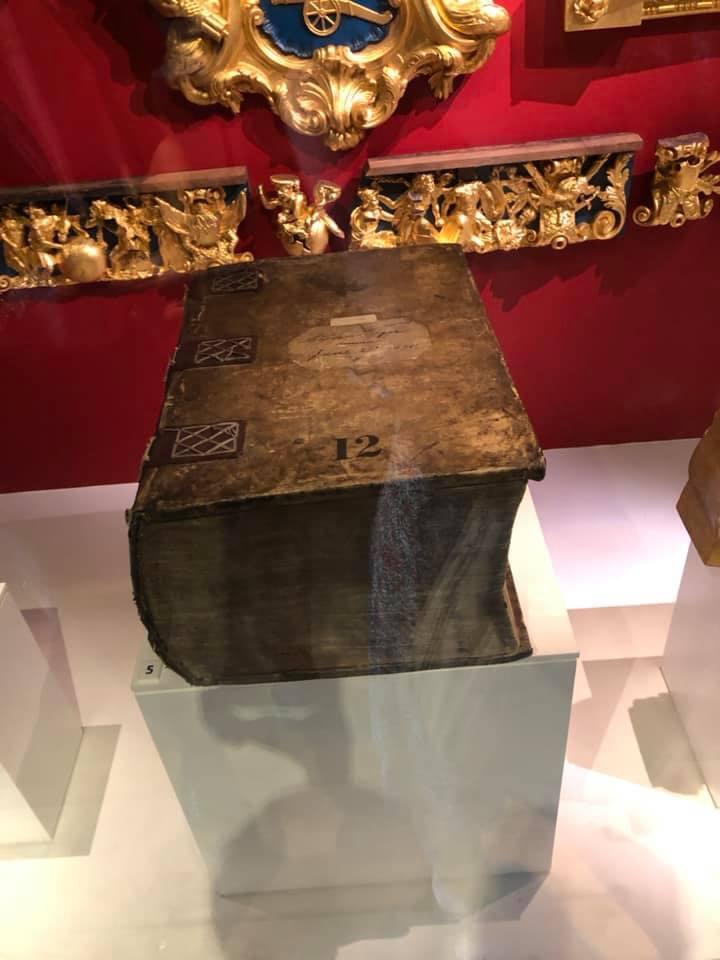
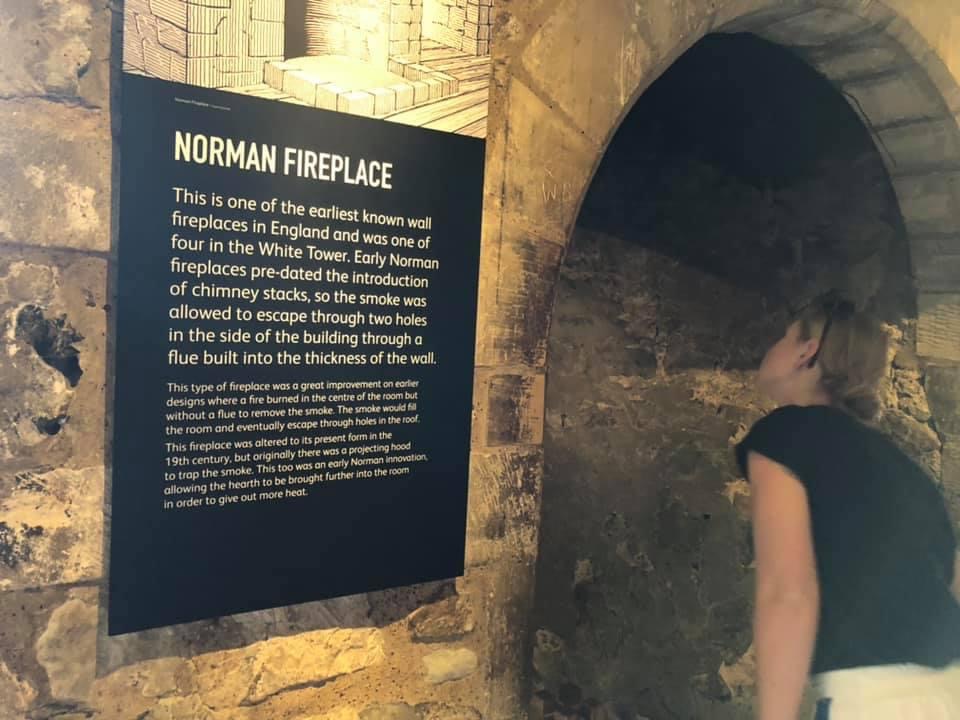
Many other interesting things awaited us in the Tower of London, such as the chapel of St. John, which was built by William the Conquerer and has been used for prayer by kings, queens, and other Tower residents for over 900 years; ancient books; knightly armour; one of the earliest known fireplaces in England; and even a royal commode, which was built onto a corbel and in which the waste fell below into the castle moat!
Yorkshire pudding and More
I loved the foods of London, dining, trying, and sharing different menu items from wonderful restaurants that our host, my daughter’s good friend from college, recommended, made reservations for if needed, and led us to!
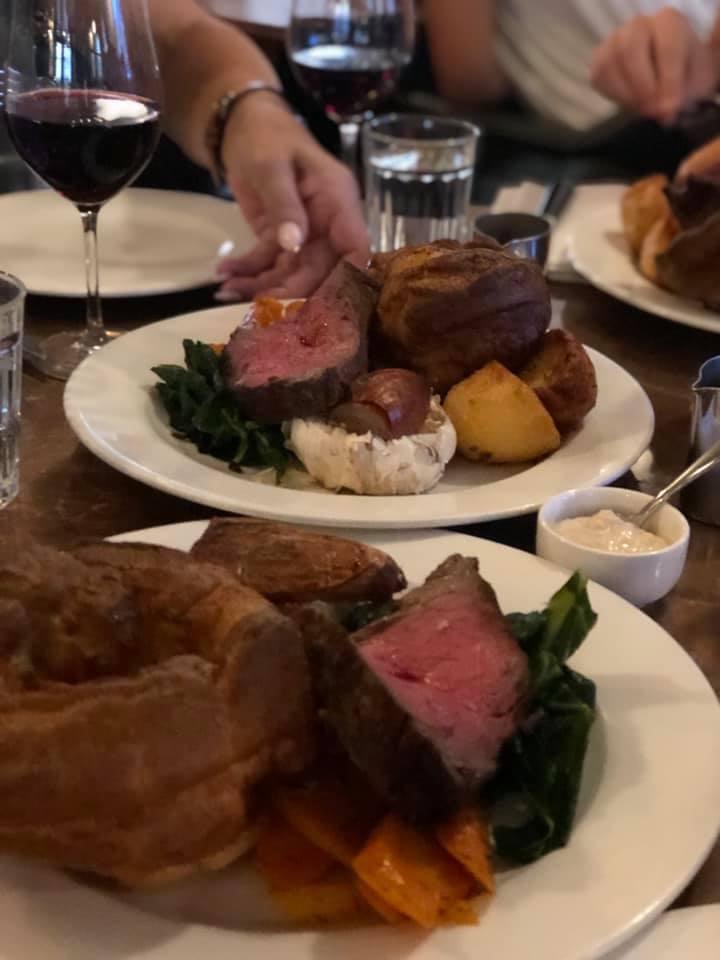
Yorkshire pudding, pictured here alongside the roast beef, was not at all what I’d supposed it to be! Laugh if you will but I had actually assumed it was a pudding and would be served for dessert! It is instead more like a delicious bread. My research shows the ingredients as a list of things that I would use to make pancakes. It’s a bit similar to a souffle. Yorkshire pudding is traditionally served with roast beef in England, and it is very, very good.
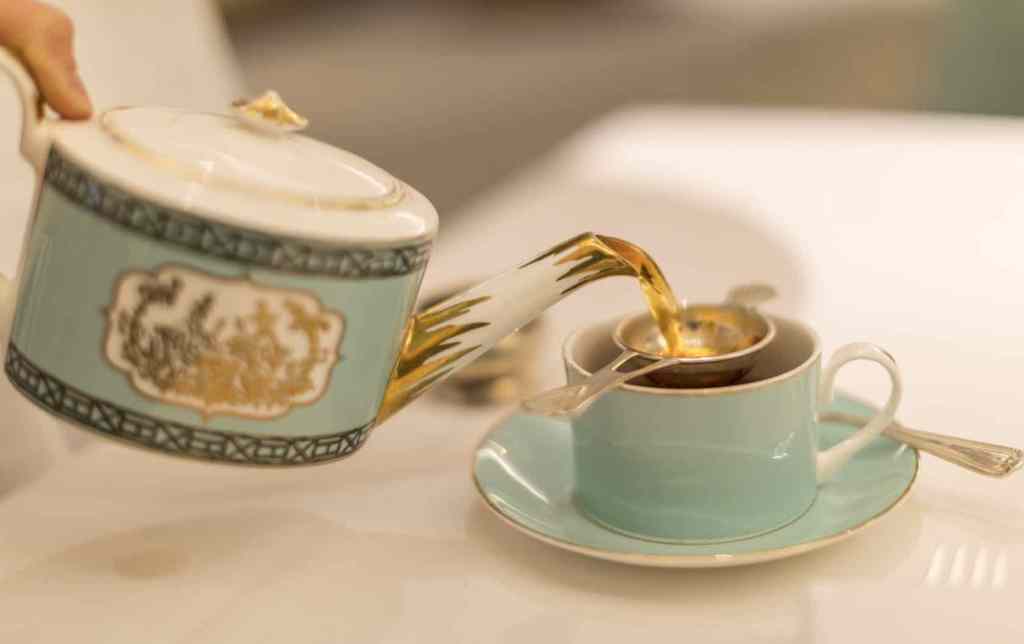
Other things that were new to me included mussels, which I liked a lot and have had many times since; and hot tea instead of coffee in the mornings (I still prefer my coffee but enjoyed the hot tea nonetheless!)
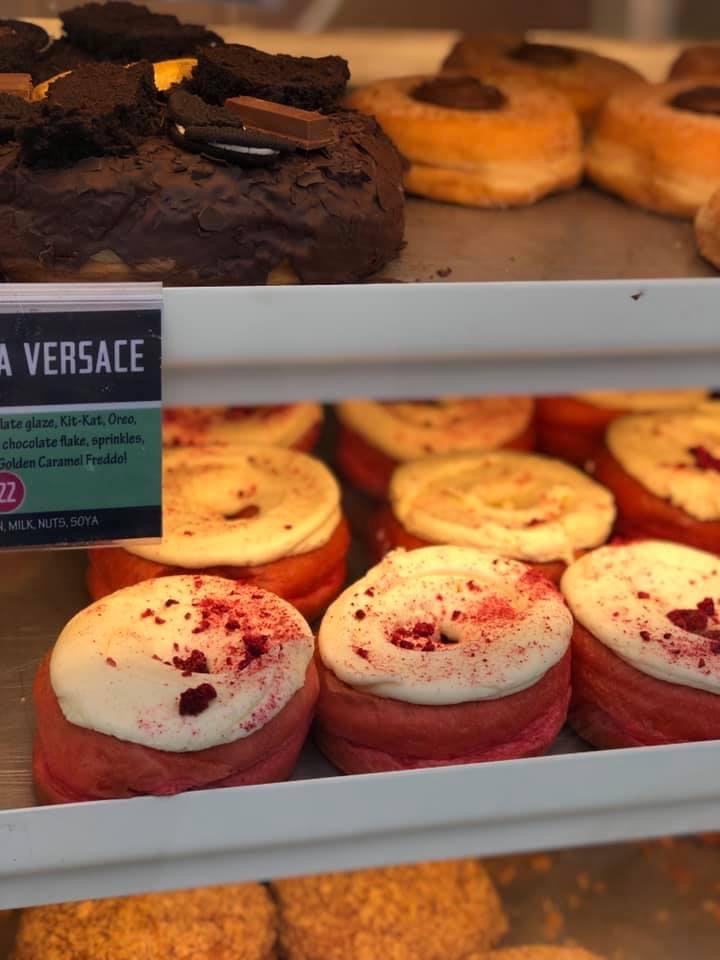
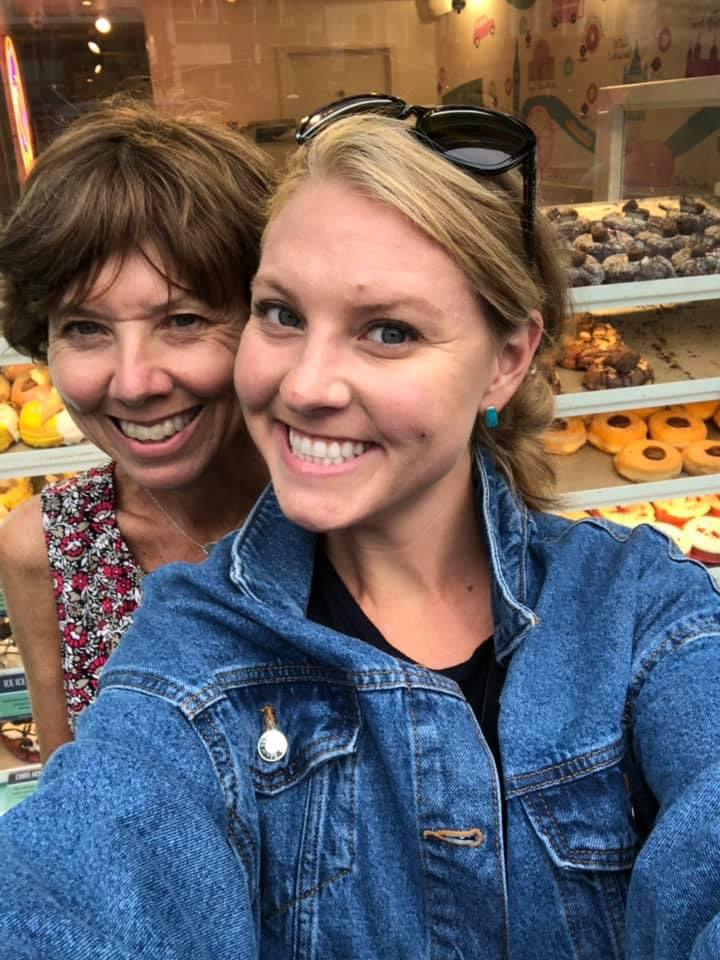
Apparently London’s doughnut scene is a force to be reckoned with! Popular day or night, a wide variety of doughnuts filled with an array of different jams or creams can be found in doughnut shops throughout the city. We enjoyed stopping for some to take to our Airbnb, after a night on the town.

Lavish London Entertainment
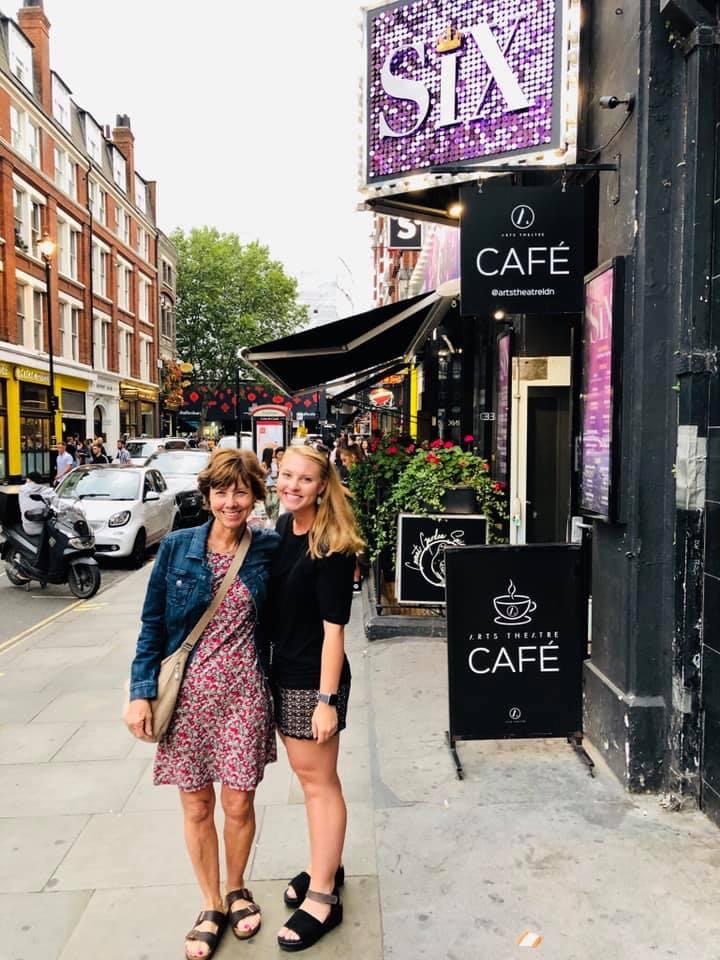
We went to see the musical Six! So much fun. We saw it in a small theater, and it could not have been a more electrifying and fun atmosphere, and of course the theater performance was absolutely amazing. Outside after the performance we met and took photos with the performers who’d played the wives of King Henry VIII!
The Six originated there, in the West End district of London, and has since gone around the world to much acclaim. I feel lucky to have seen it in the West End to the wild applause and fun-ness of the theater there.

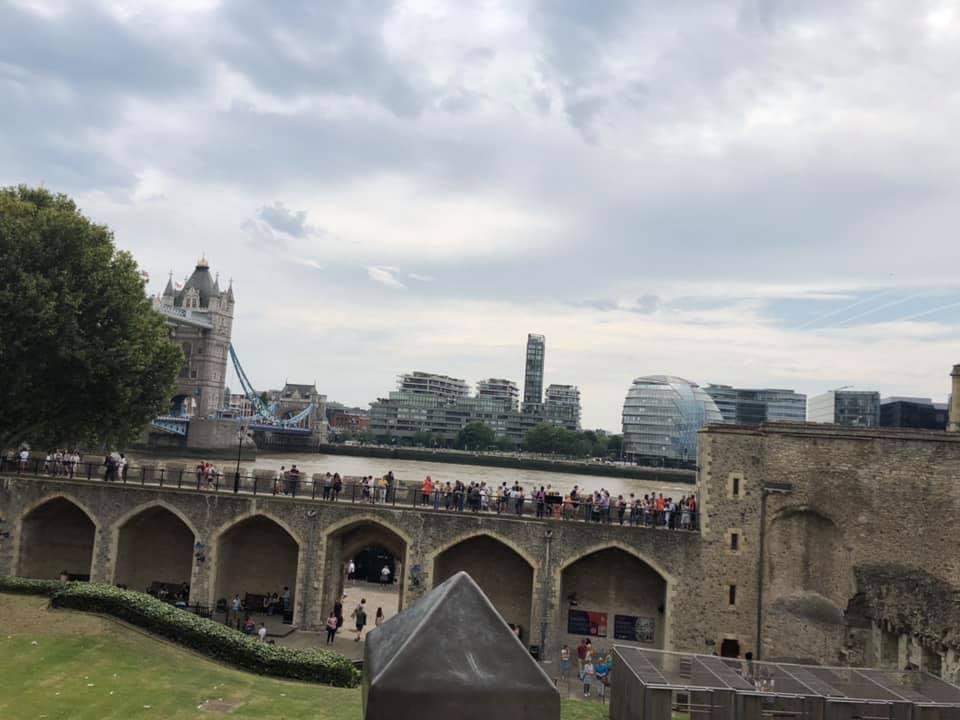
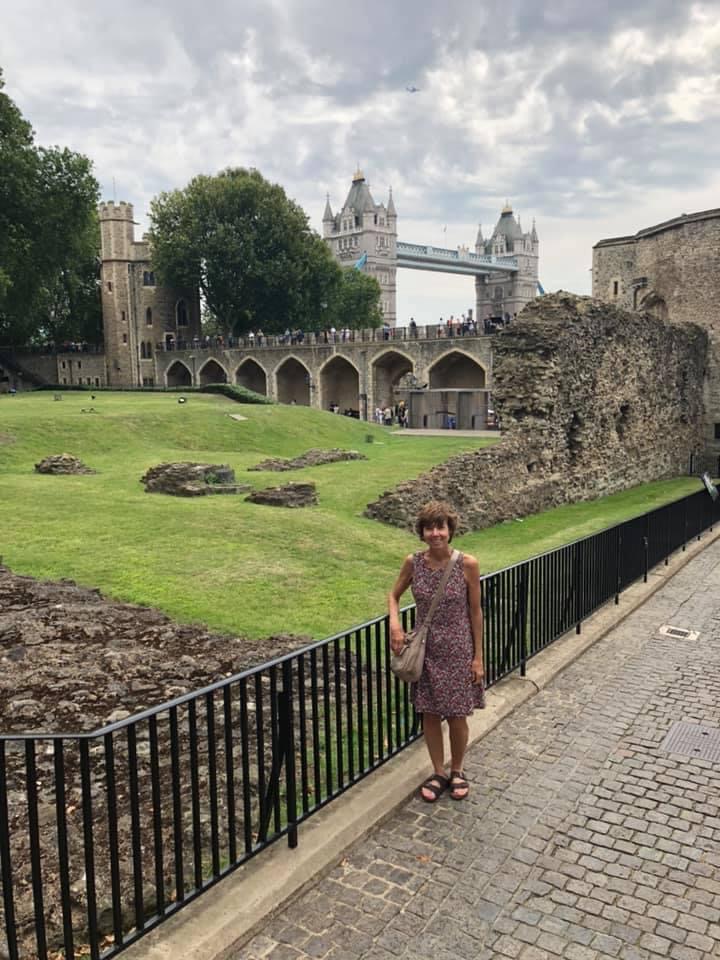
The Tower Bridge of London

The Tower Bridge of London stands as it was built in 1894. It was built by design to blend in with the medieval Tower of London castle. This was a request of Queen Victoria, in order to make sure it wasn’t an eyesore. I’m thinking that the Queen likely had no idea of what a landmark the bridge itself would become! The bridge is a “bascule” bridge, meaning it can open and close for sea vessels to pass through.
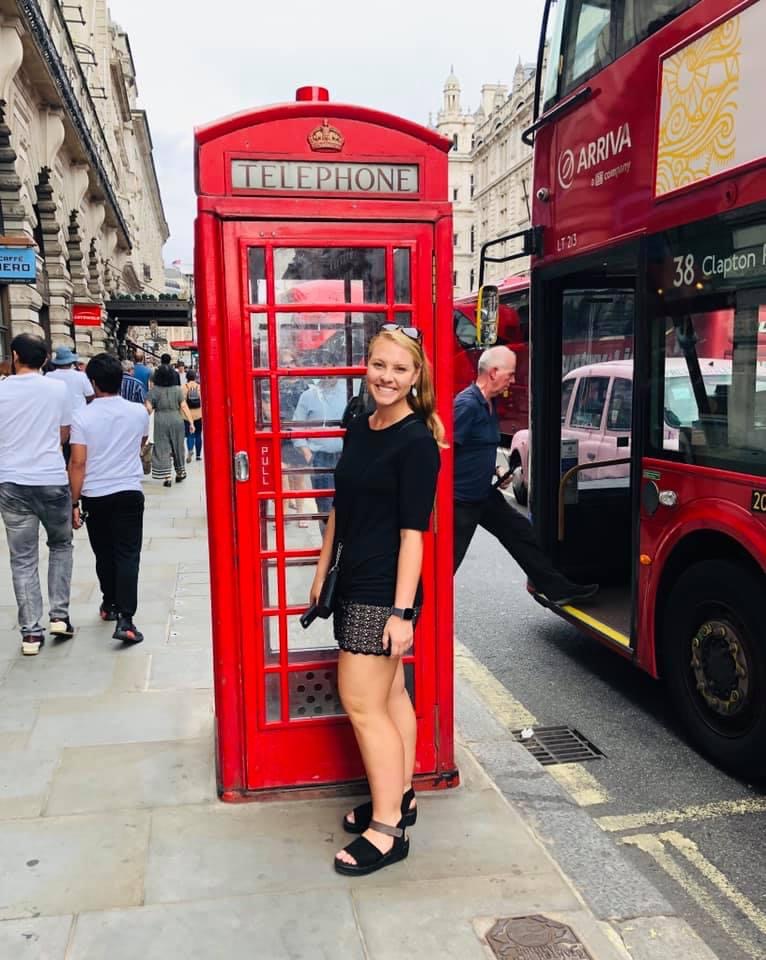
The red telephone booth, or “telephone box” as it’s known in the UK, first appeared in London in 1926, and these became populous across the city and the UK. The red color was to make them easy to spot. You can still spot them across the city as part of the city’s cultural heritage, a symbol of London.
There were lots more icons and fun things to see and visit in London…
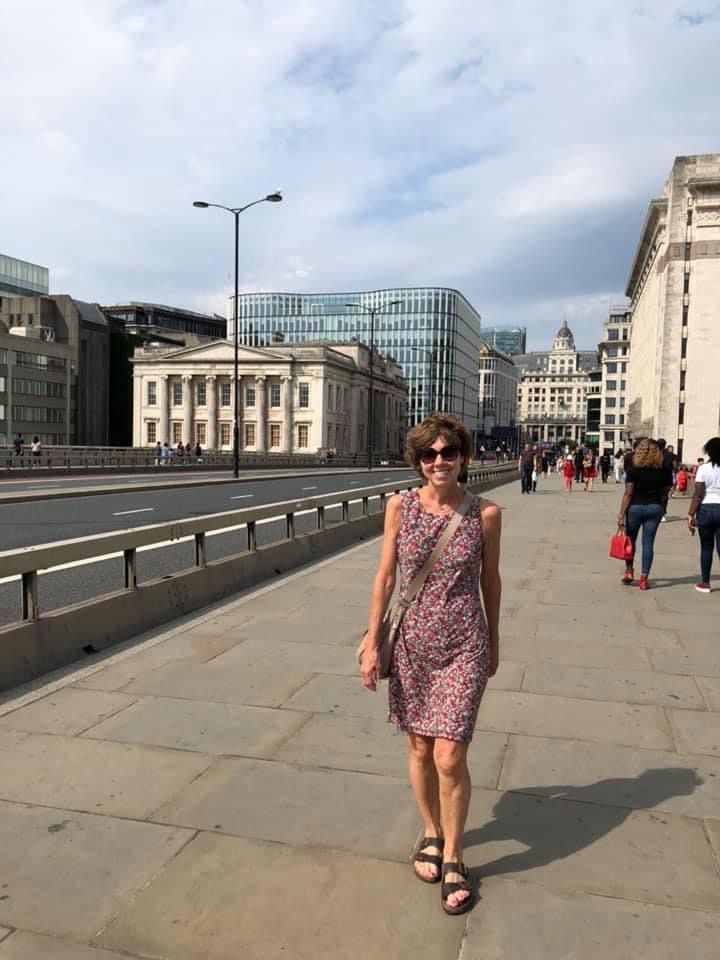
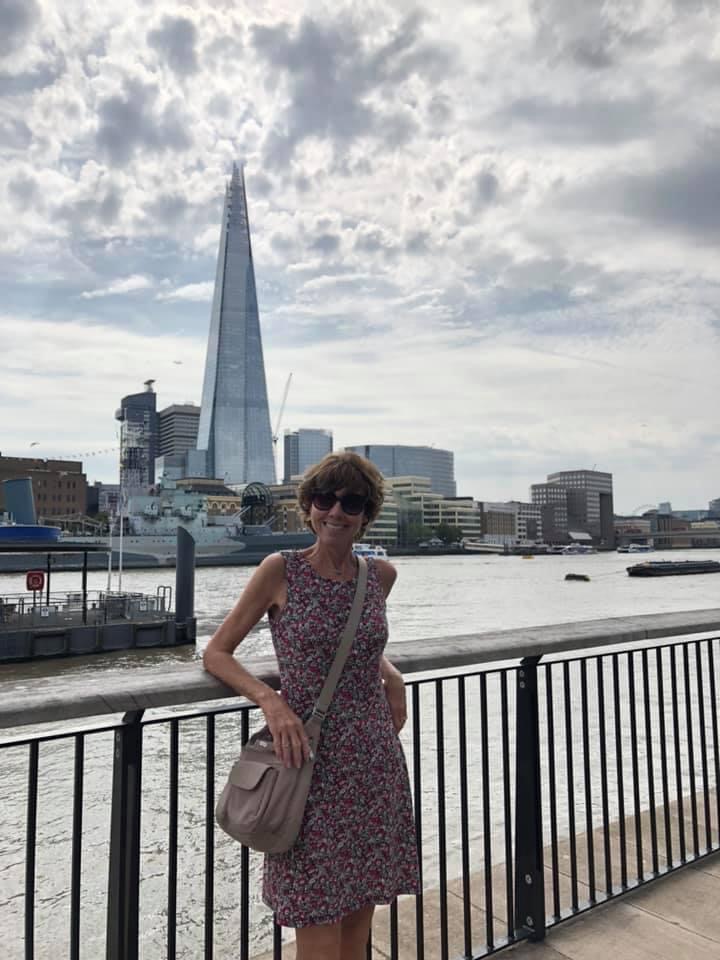
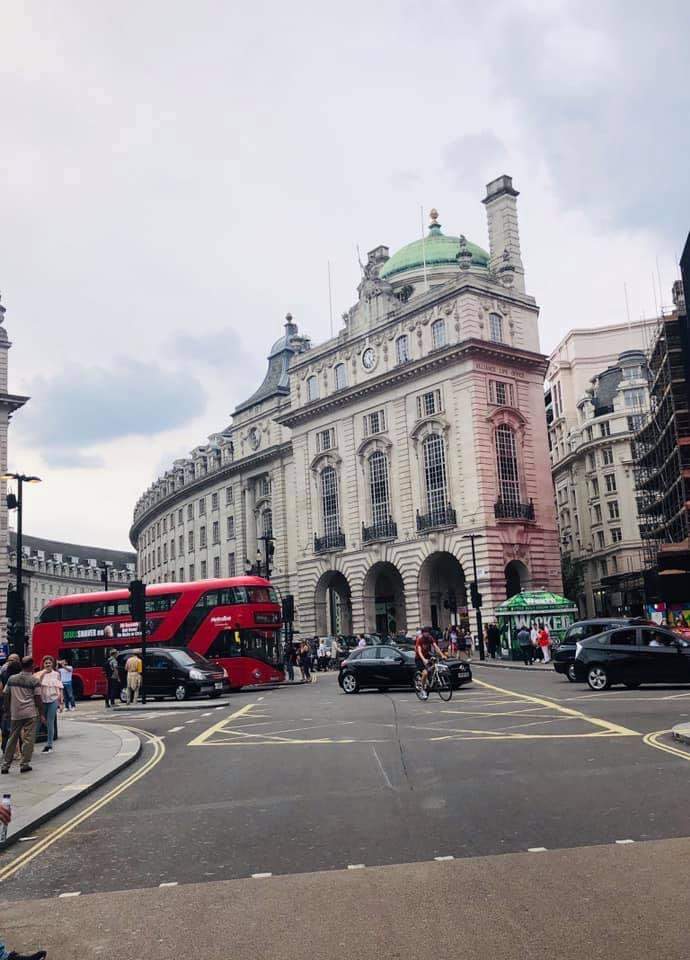
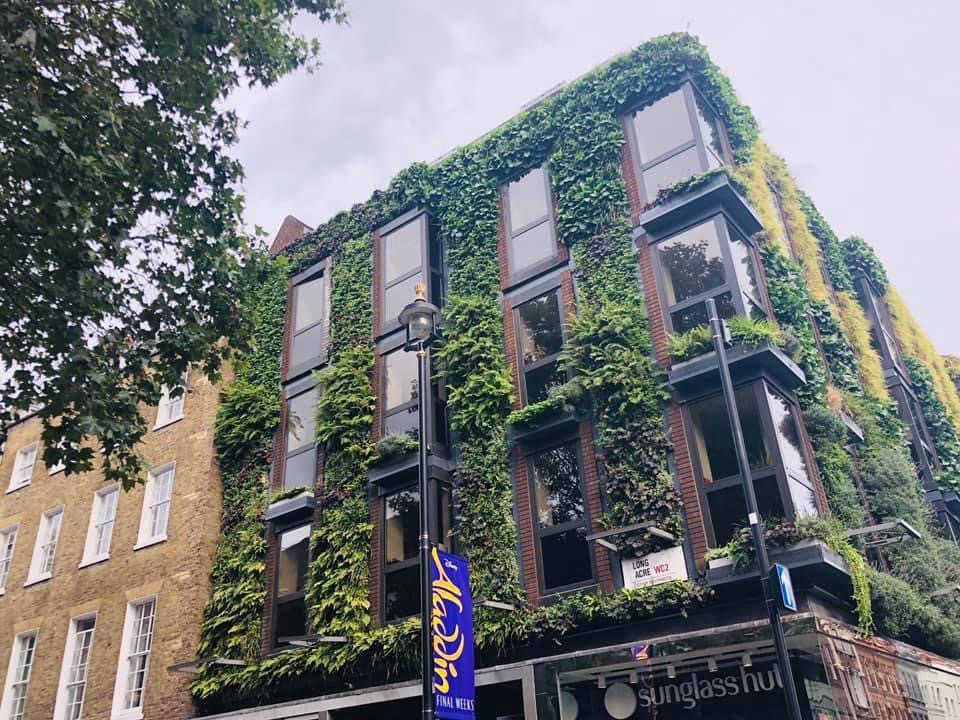
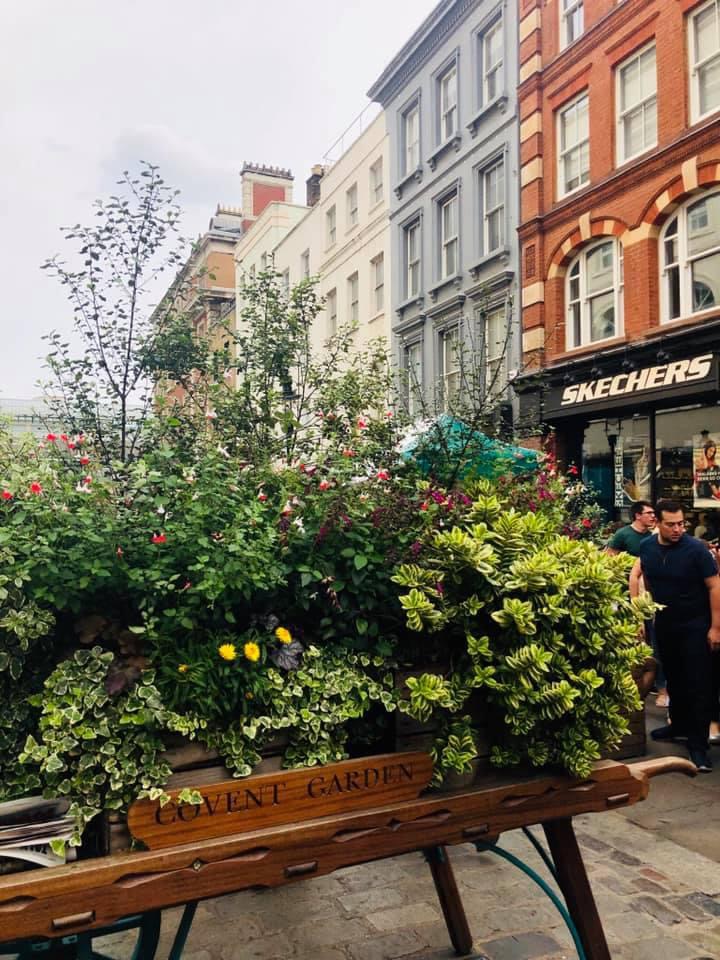
(but my favorite thing remains climbing up those ancient uneven stairs and peeking around inside the medieval castle of the Tower of London)!
London is an adventure waiting to happen!
 Gayla's Blog