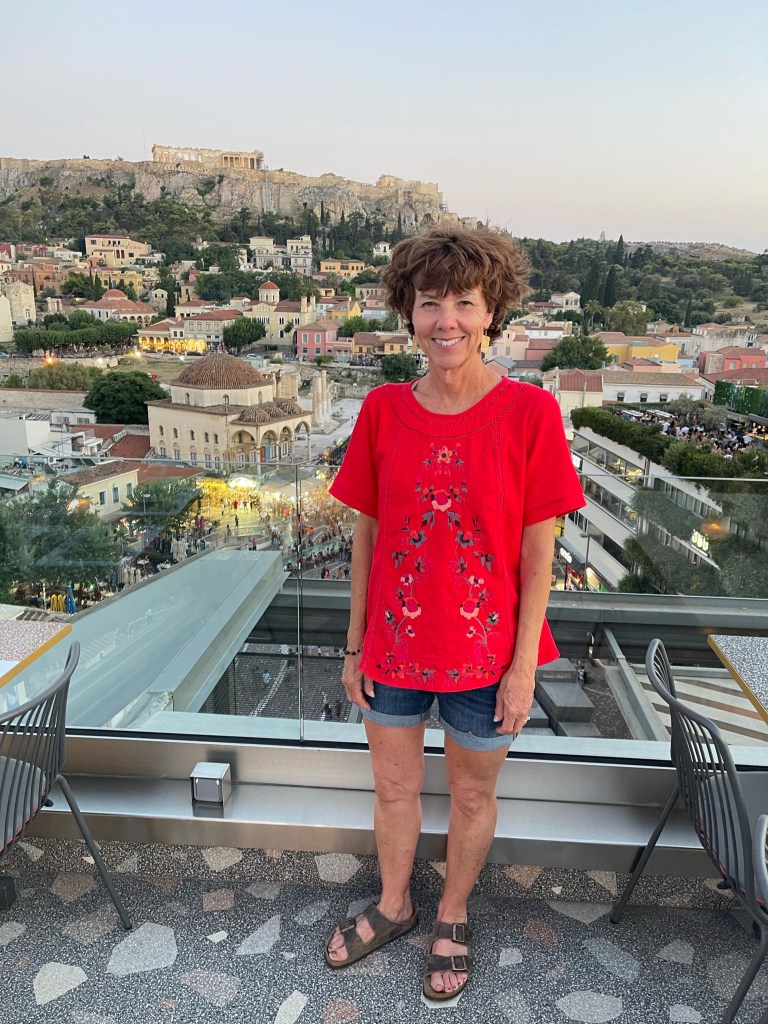
The Acropolis
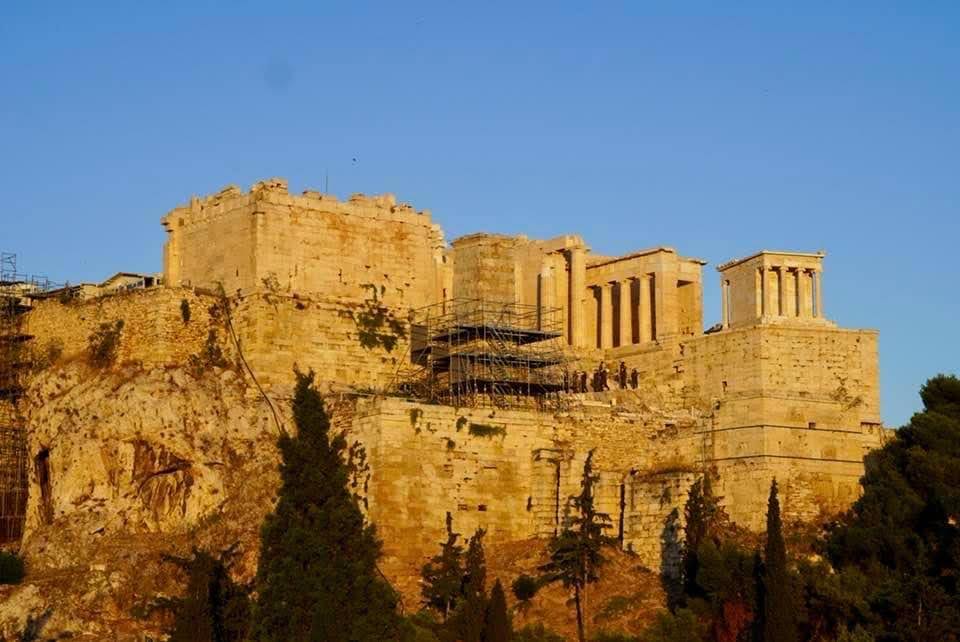
There’s no recorded history of what happened at the Acropolis before the Mycenaeans cultivated it during the end of the Bronze Age. Historians believe the Mycenaeans built a massive compound surrounded by a great wall (almost 15 feet thick and 20 feet high) on top of the Acropolis to house the local ruler and his household.
Ruler Pericles began a massive building project around 460 BC erecting colossal statues and elaborate temples on the hill. He died before the spendorous project was completed, some 50 years later.
The Acropolis must have been a crazy-spectacular sight for travelers to it during the Golden Age of Athens (460 B.C. to 430 B.C.) when Athens was at its cultural peak. Can you imagine, not having seen anything like it before, the awe they must have experienced!
Acropolis Slideshow:
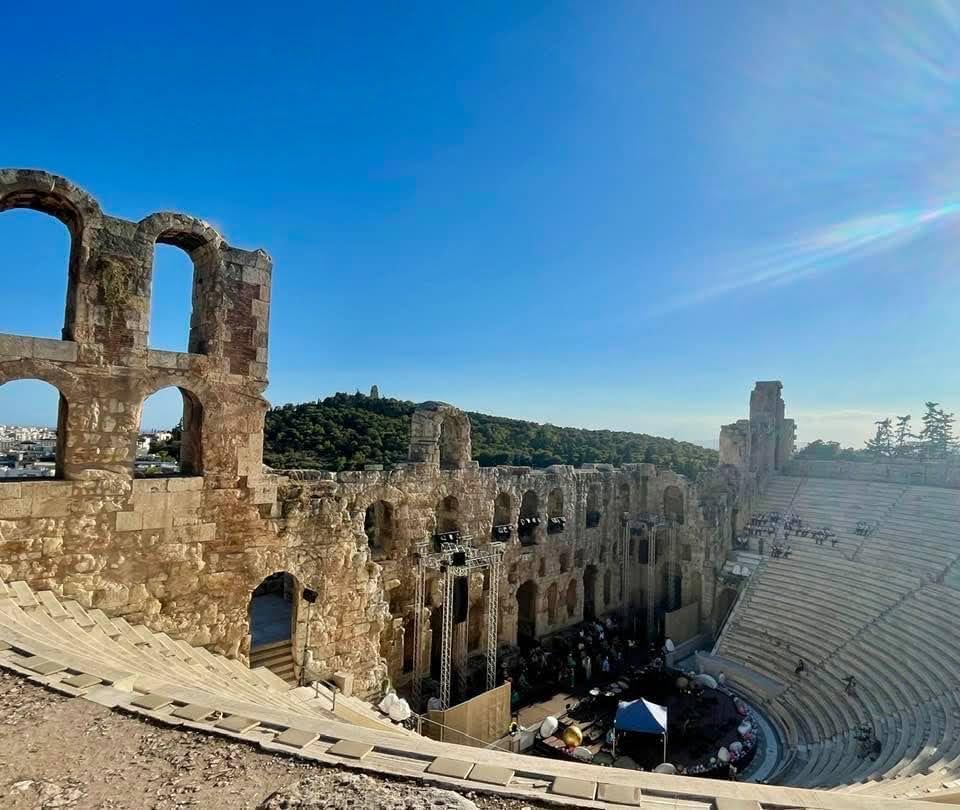
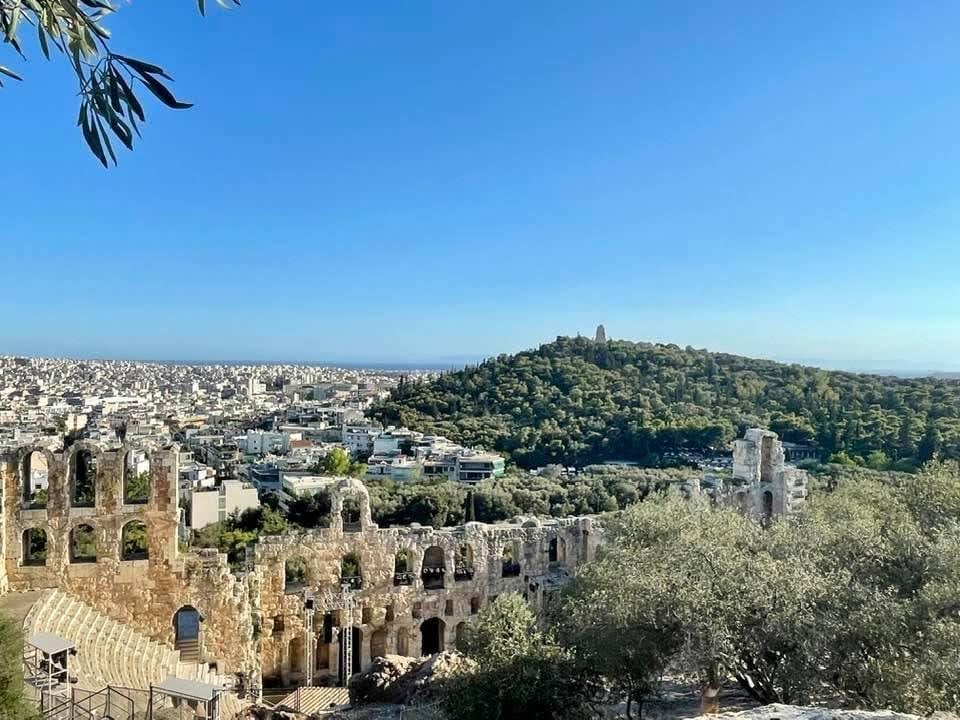
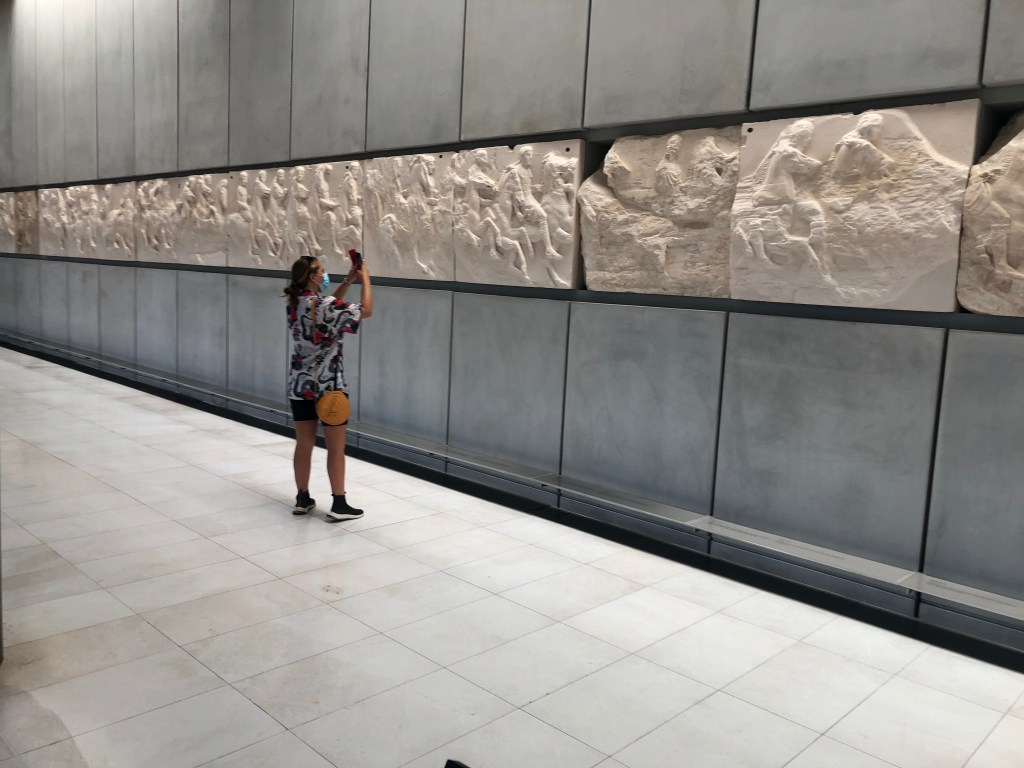
The Acropolis Museum houses more than 3000 artifacts from the ancient Acropolis!
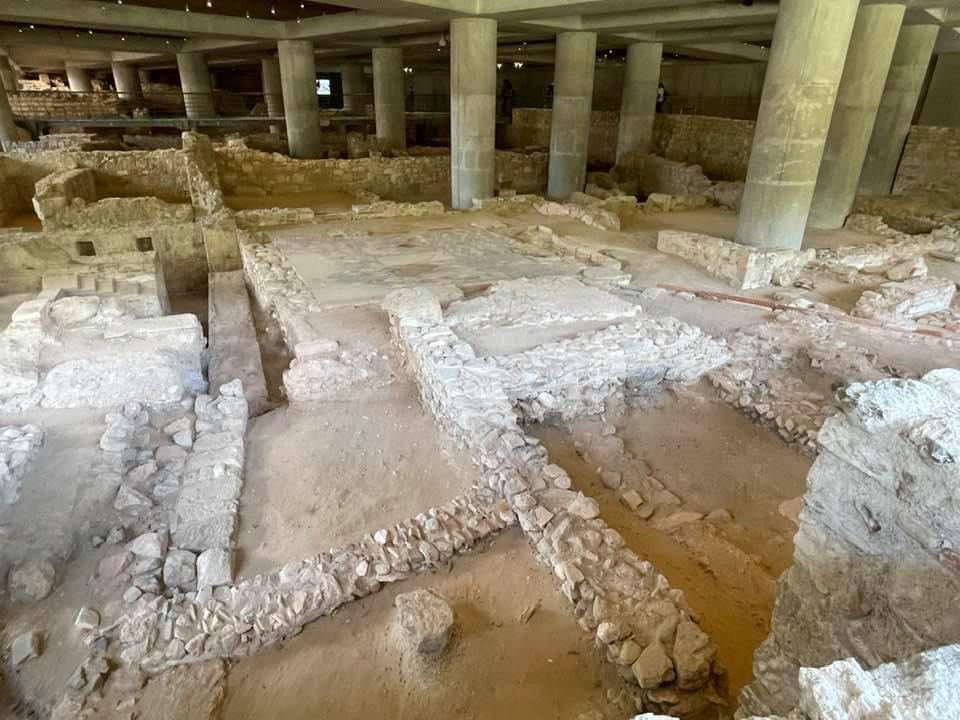
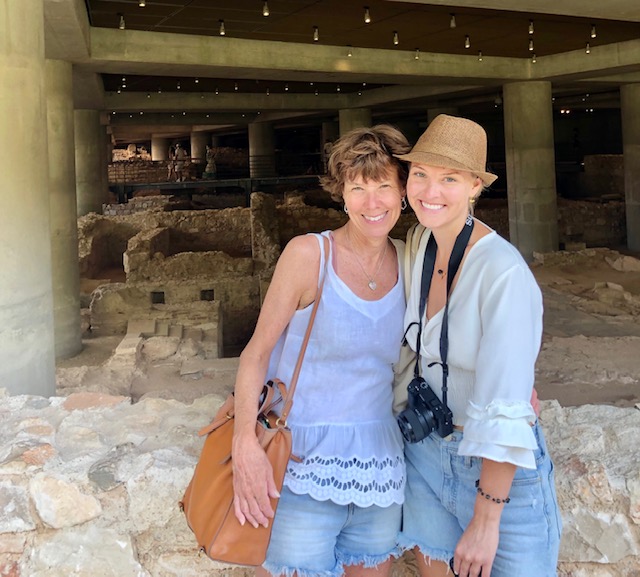
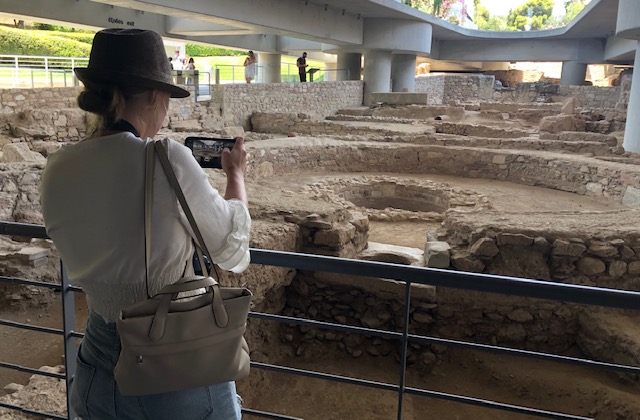
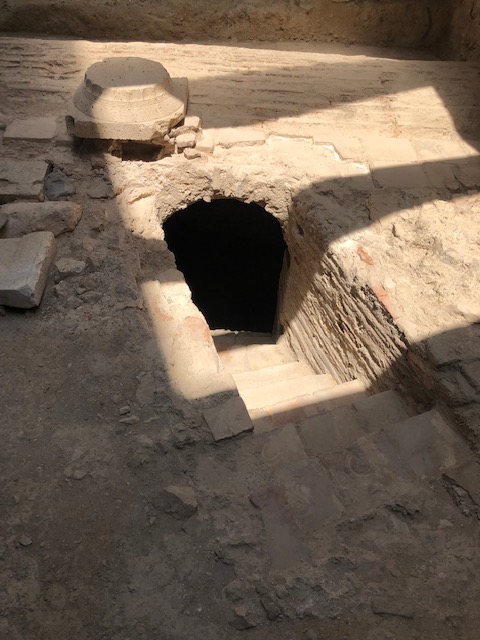
I especially enjoyed the archaeological dig below the Acropolis Museum, and was so very glad that our tickets included the opportunity to go see it.
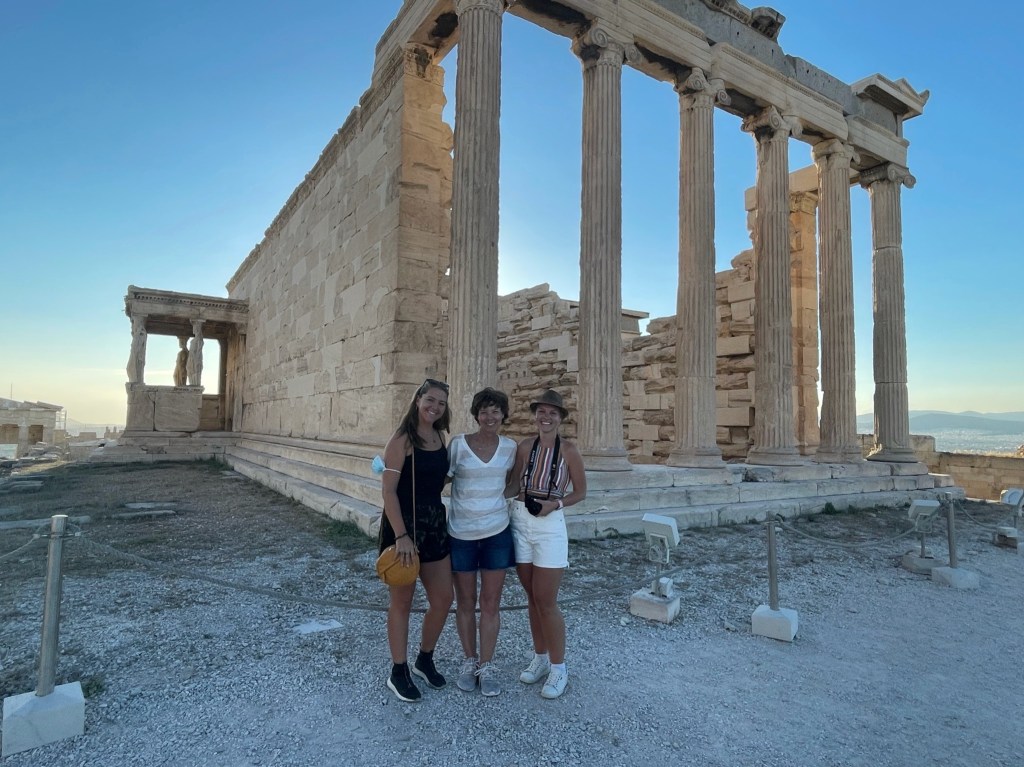
The Parthenon was built around 447 BC using limestone foundations and 22,000 tons of marble. It was designed by architects Ictinus and Callicrates and dedicated to the mythological goddess Athena. It was colorful, and had intricate statues and friezes going around the top, in the days of Athen’s glory. Some of the statues are located in a museum in Great Britain, while you can see many of them in the Acropolis museum in Athens. The Parthenon housed a gigantic statue of Athena, 39 ft. high and made of ivory and 2513 lbs of gold.
The National Archaeological Museum
There are approximately 16,000 statues in the National Archaeological Museum in Athens! Considered one of the greatest museums in the world, it houses artifacts from Greece dating from Pre-historic to late antiquity.
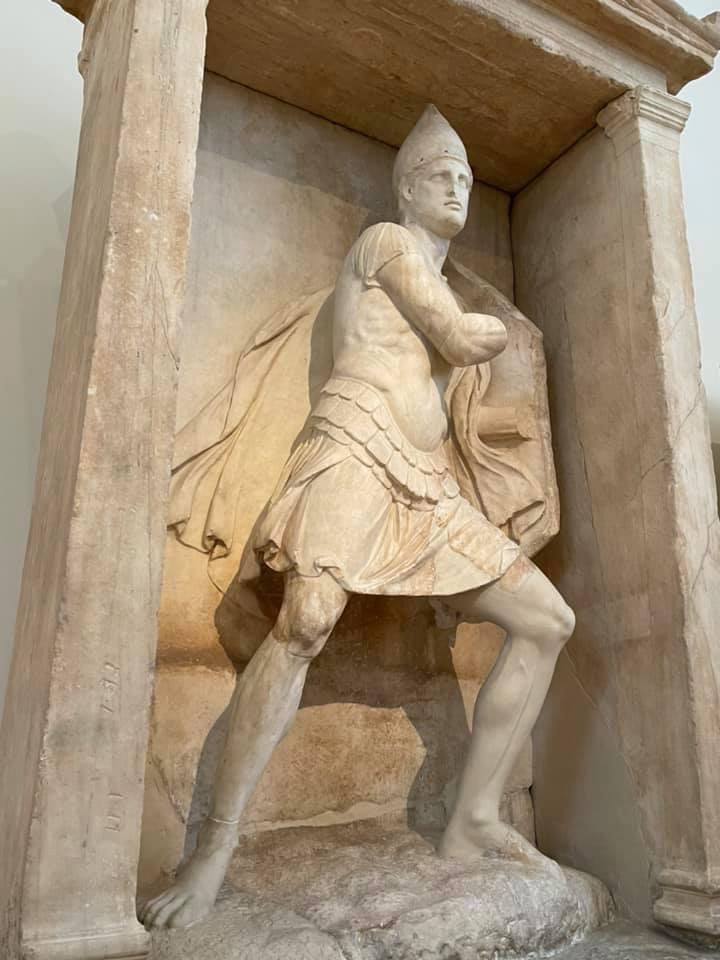
This funerary monument with a statue of a Hoplite (a heavily armored foot soldier) with the inscription of the name ‘Aristonautes’ was made from pentelic marble and had a total height of 8 ft. 1.6 in. The statue had a height of 5 ft.
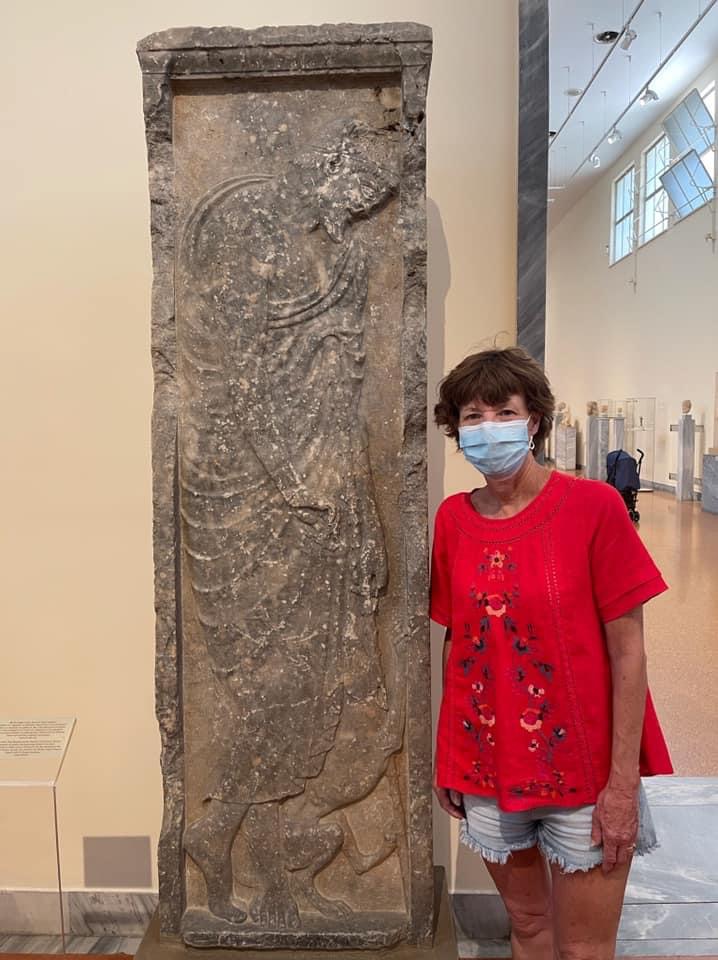
BC, of a man giving his dog a treat of a locust!
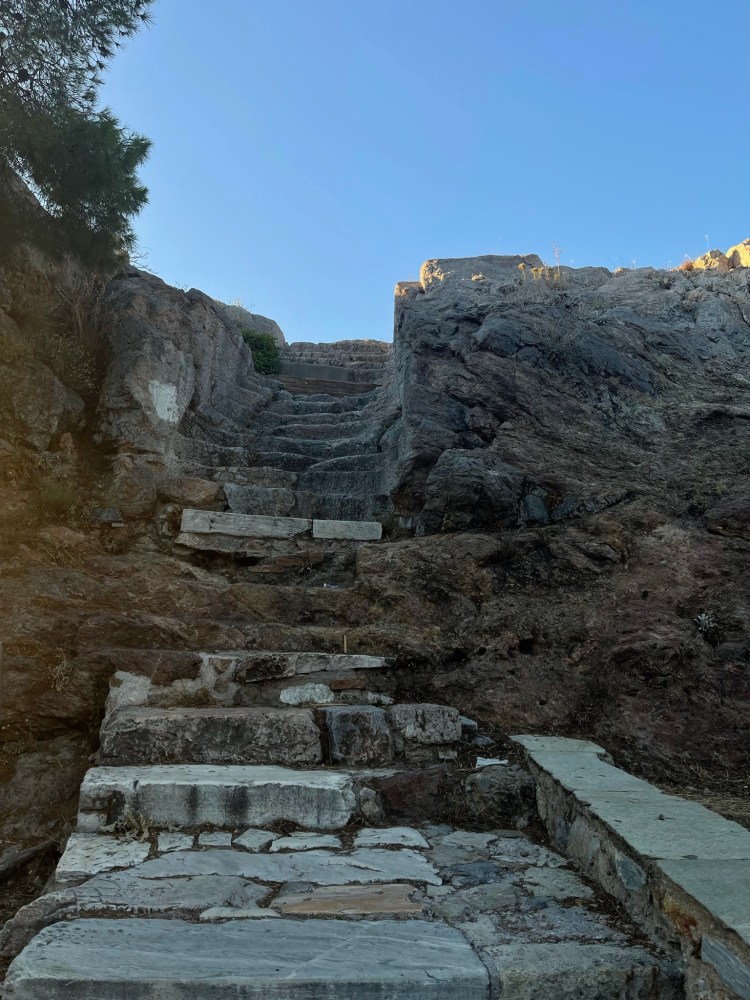
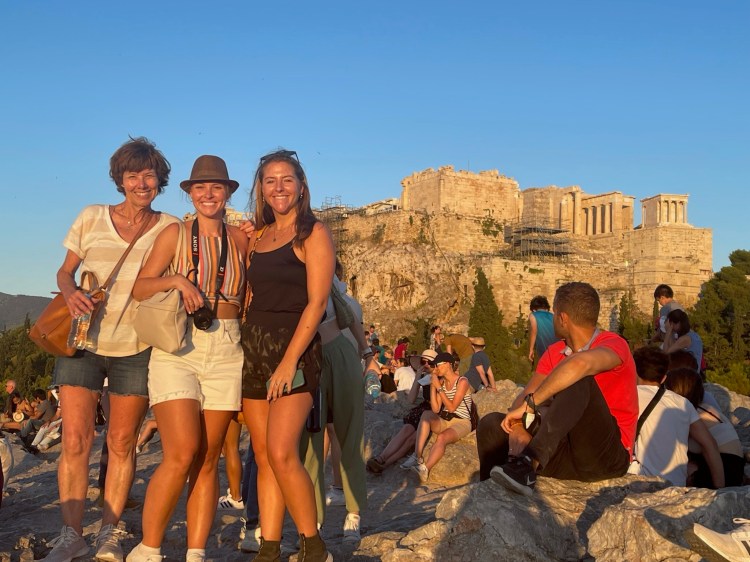
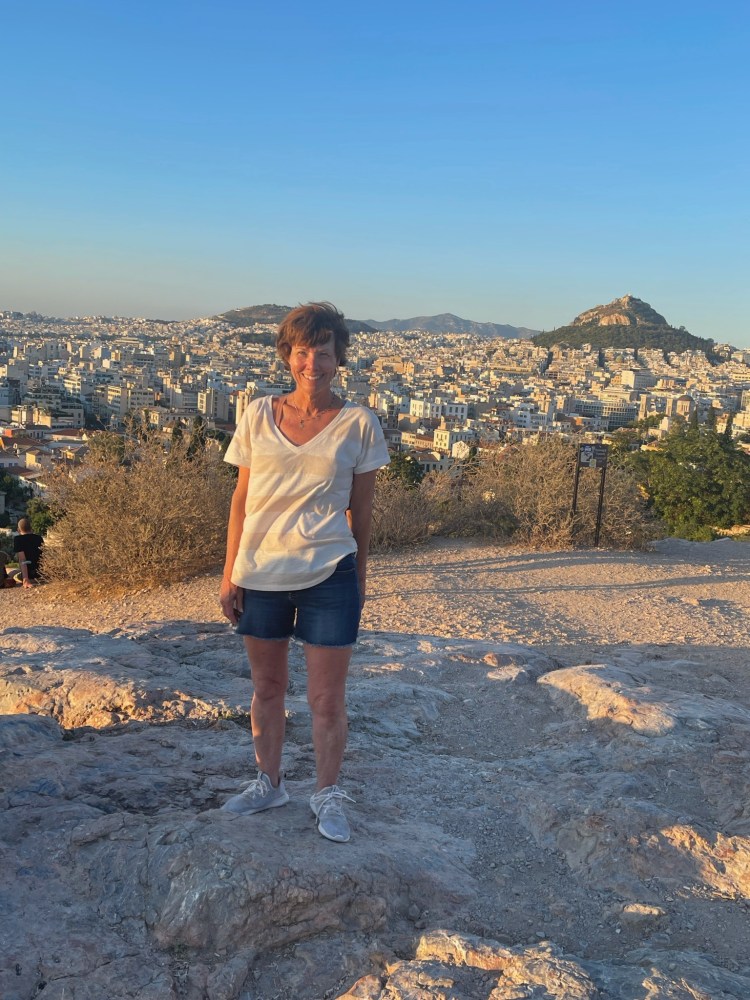
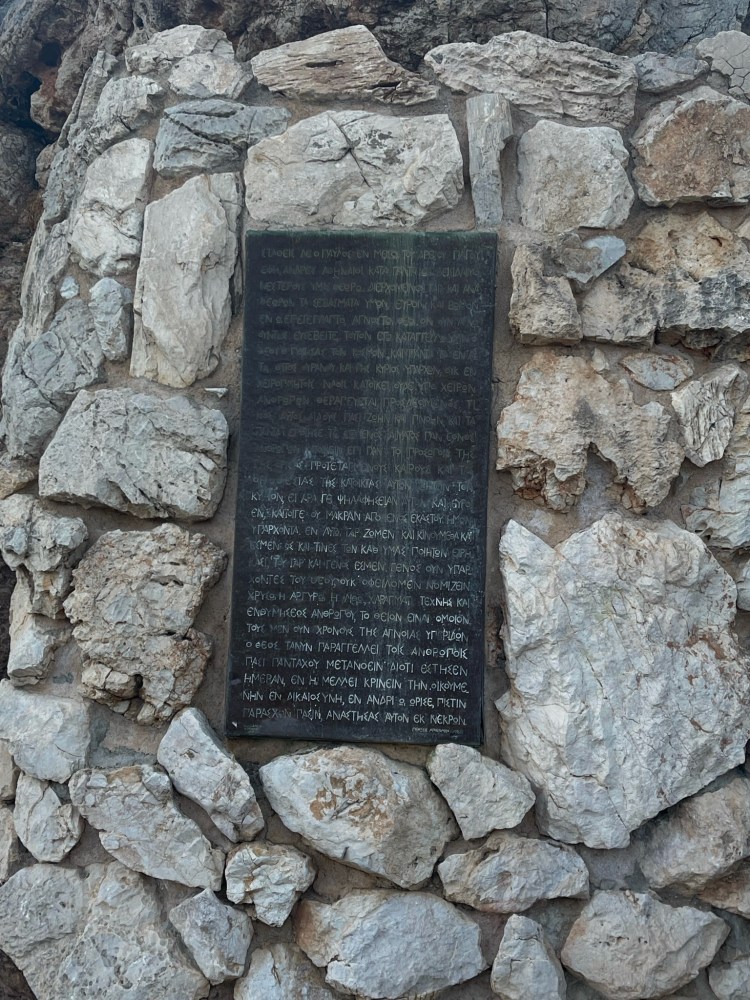
Mars Hill
Slideshow:
The Ancient Agora of Athens
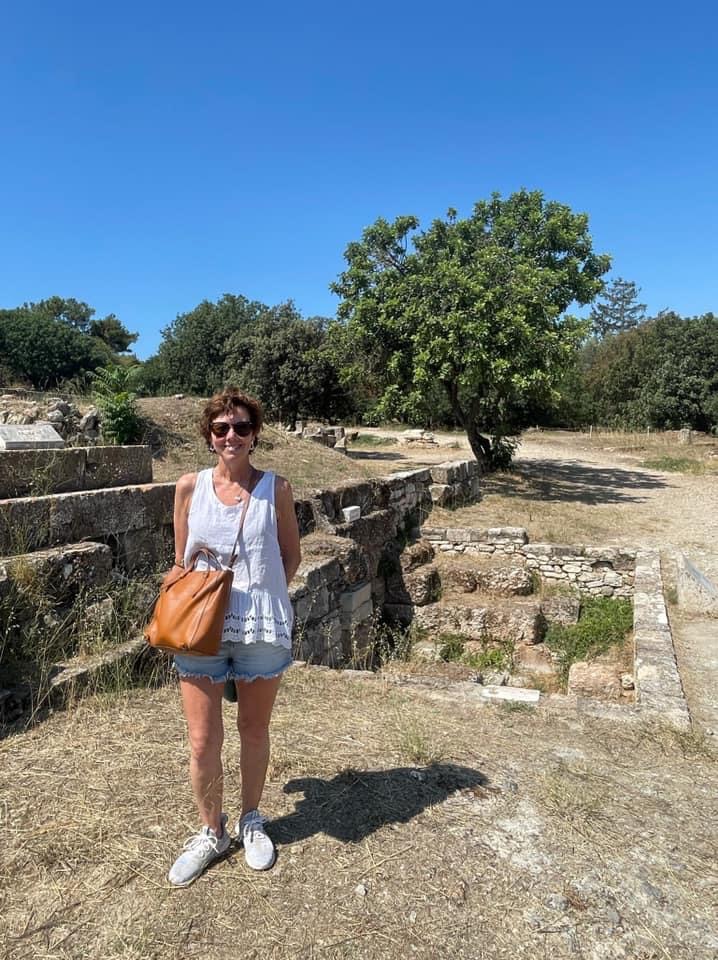
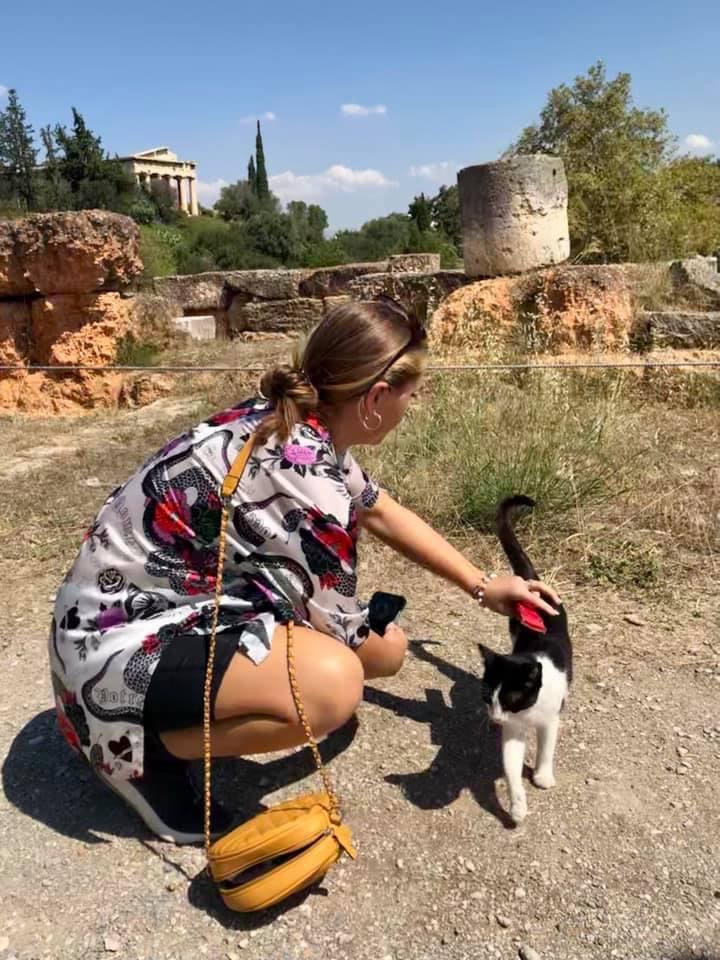
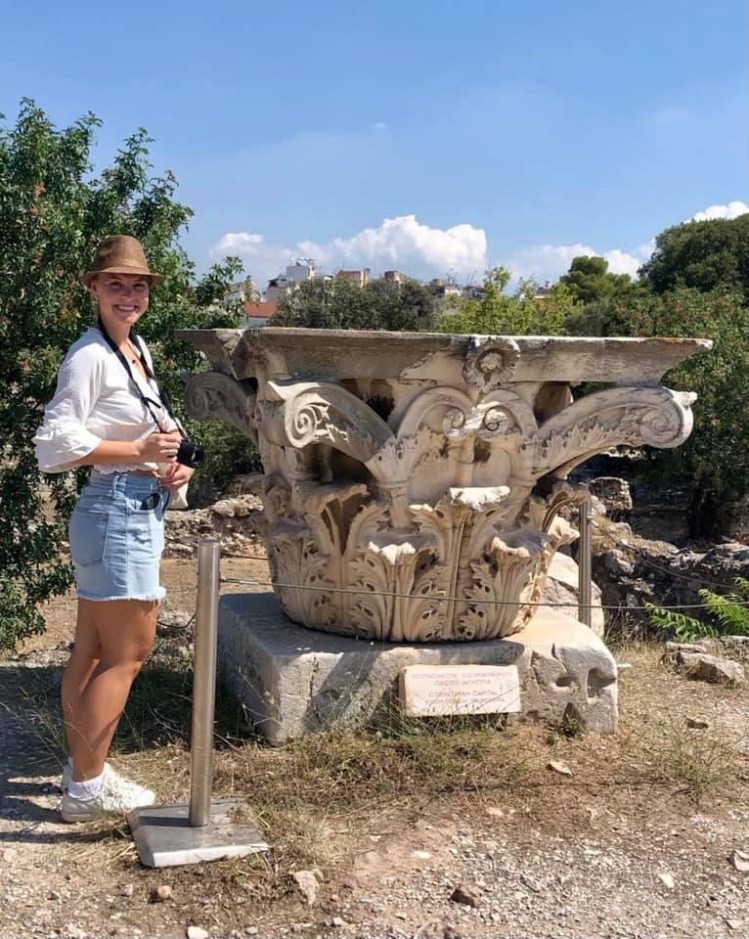
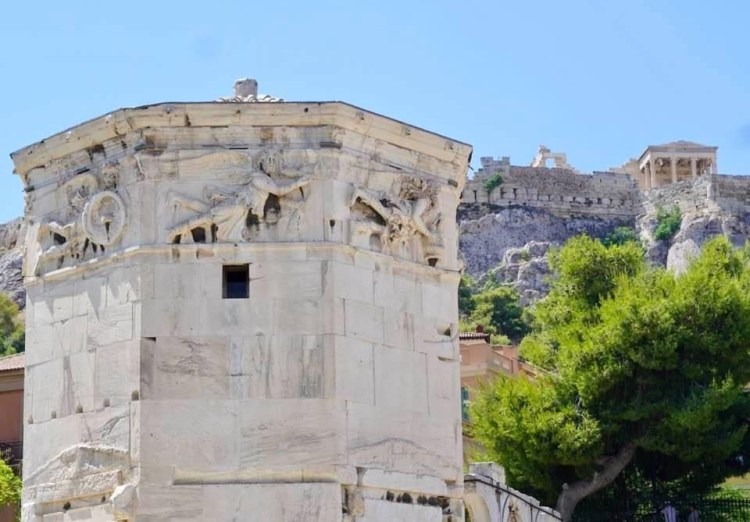
The agora in ancient times was a large open area that served as the marketplace and meeting place for the town. The citizens of the city would meet here to discuss politics and philosophy, hear speeches, and buy goods. It was at the agora that Socrates, Plato, and Aristotle philosophized, to rapt audiences. Temples to the mythological gods were situated around the agora.
Ancient Agora- Slideshow:
Temple of Olympian Zeus
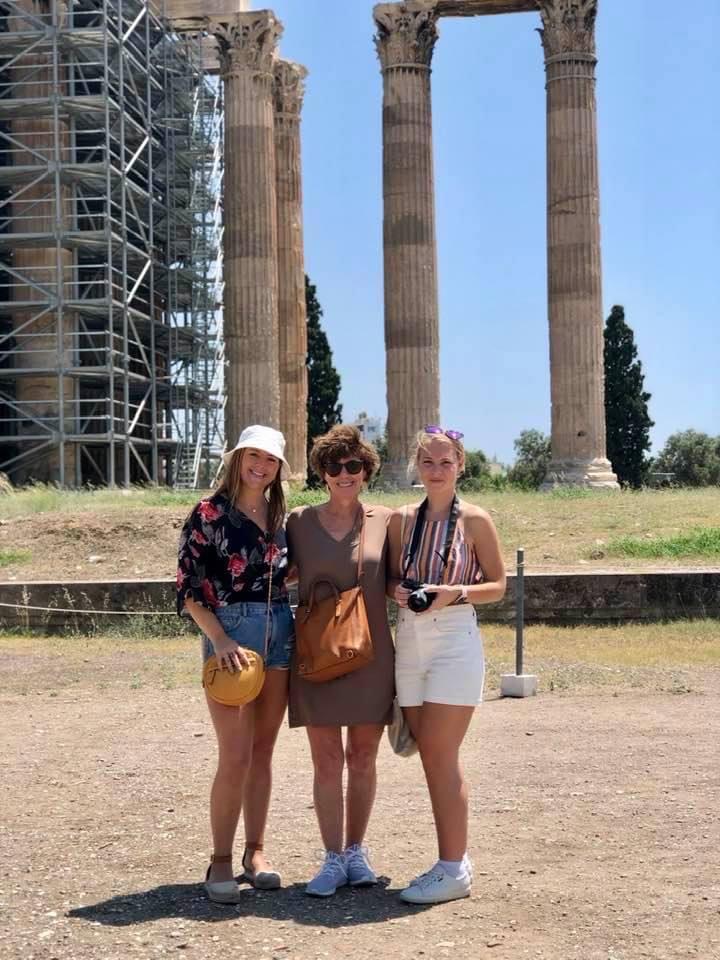
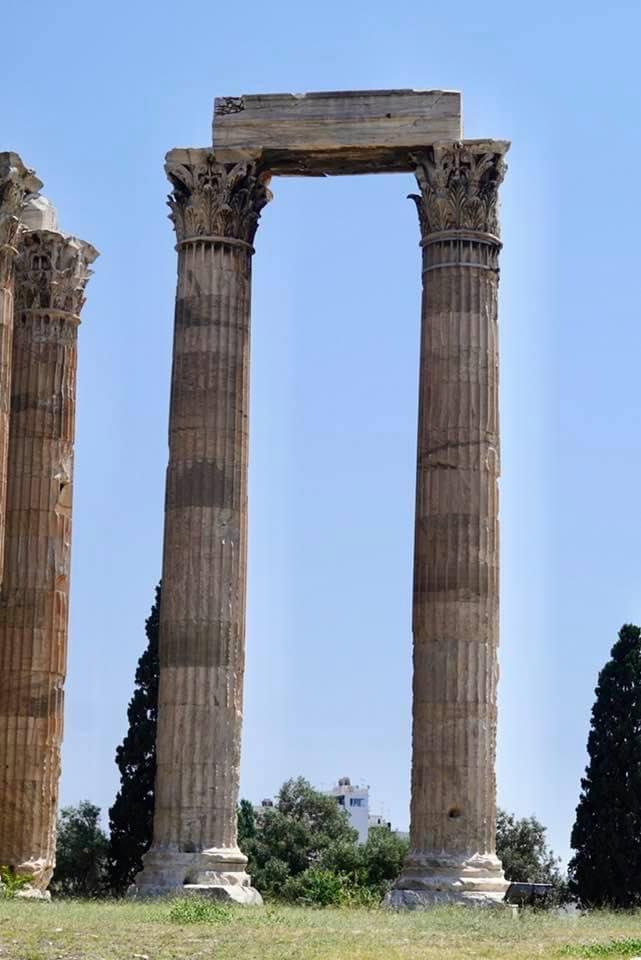
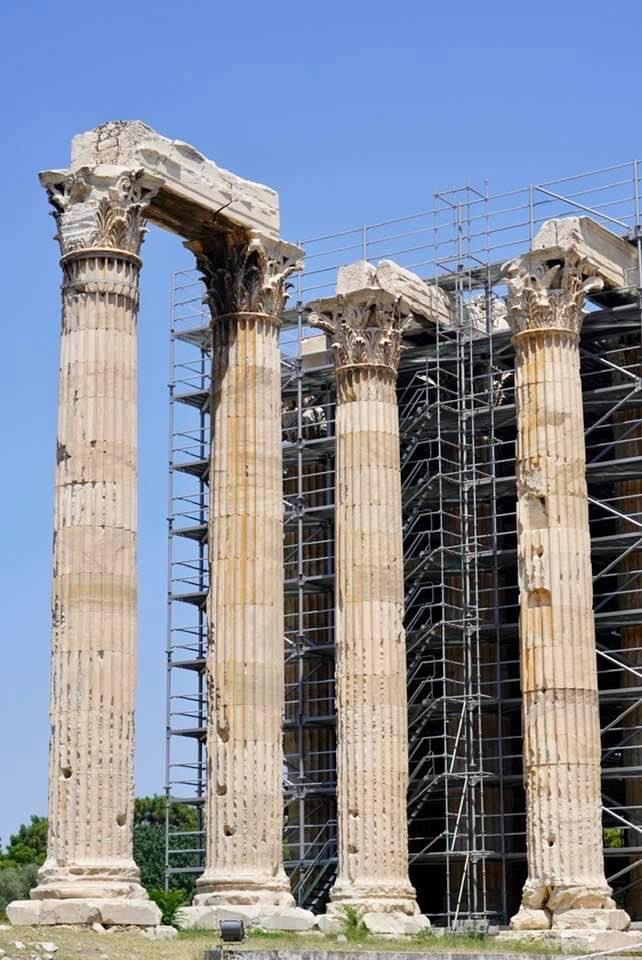
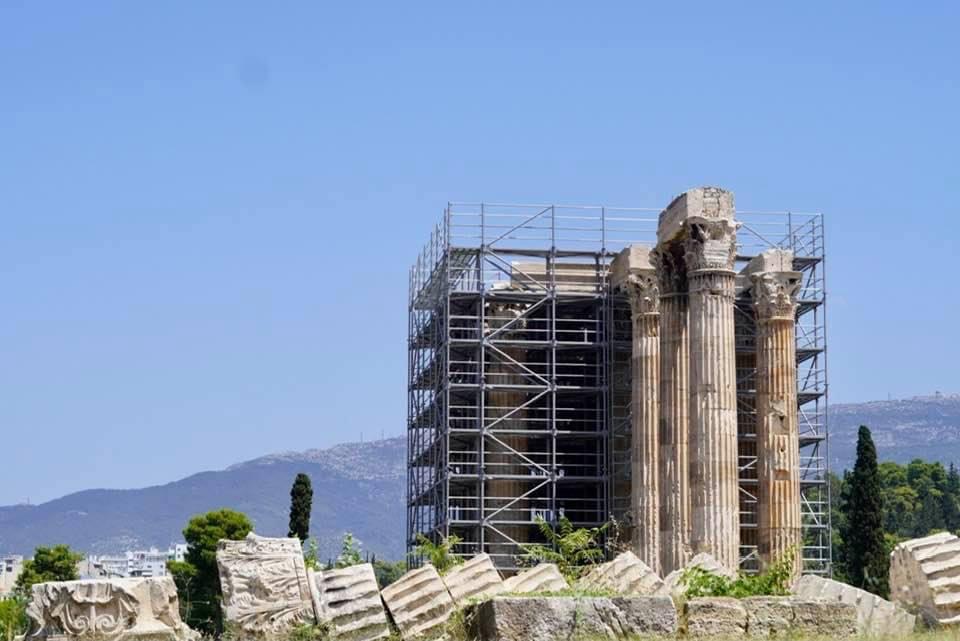
Temple of Olympian Zeus Slideshow
The Temple of Olympian Zeus was built of marble from Mount Pentelus, and measured 314 ft. 11 in. along its sides and 131 ft. 2.8 in. along its eastern and western faces. It consisted of 104 Corinthian columns, each 55 ft. 9.2 in. high. Only 15 of these columns remain standing today. A 16th column was blown down during a storm in 1852 and is still lying where it fell! The temple was begun in the 6th century BC but not completed until the Emperor Hadrian’s rule in the 6th century AD. Hadrian dedicated the temple to Zeus, king of the mythological gods. He placed a giant gold and ivory statue of Zeus in the entryway along with one of himself. Nothing remains of these, or anything else from the interior of the temple. Much of the temple was probably brought down during an earthquake during the medieval period, and its statues reused for building materials.
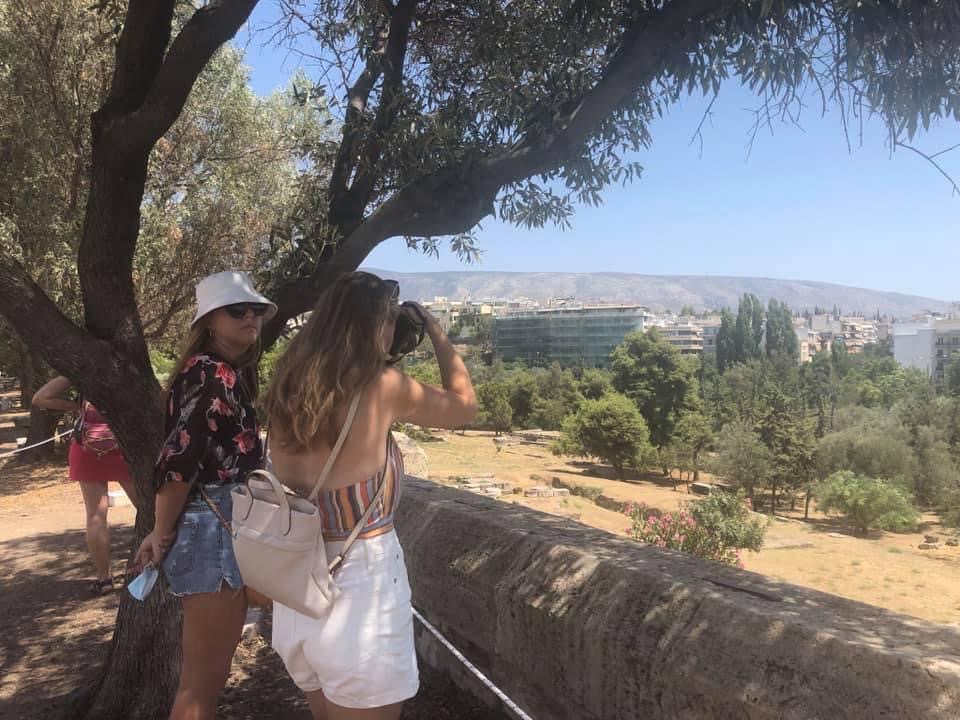
The National Gardens
In the National Garden are planted things that would have been in the garden there during the Hellenistic period (507 BC to 323 BC.) It was beautiful and shady, a relaxing and nice respite from the heat of the day.
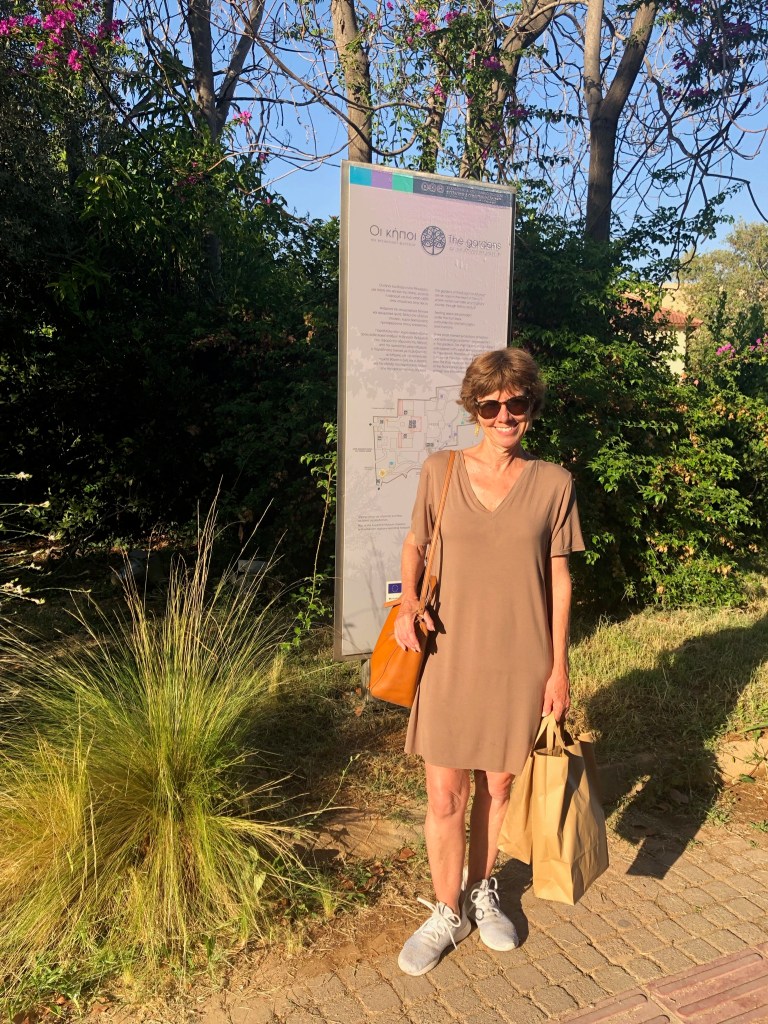
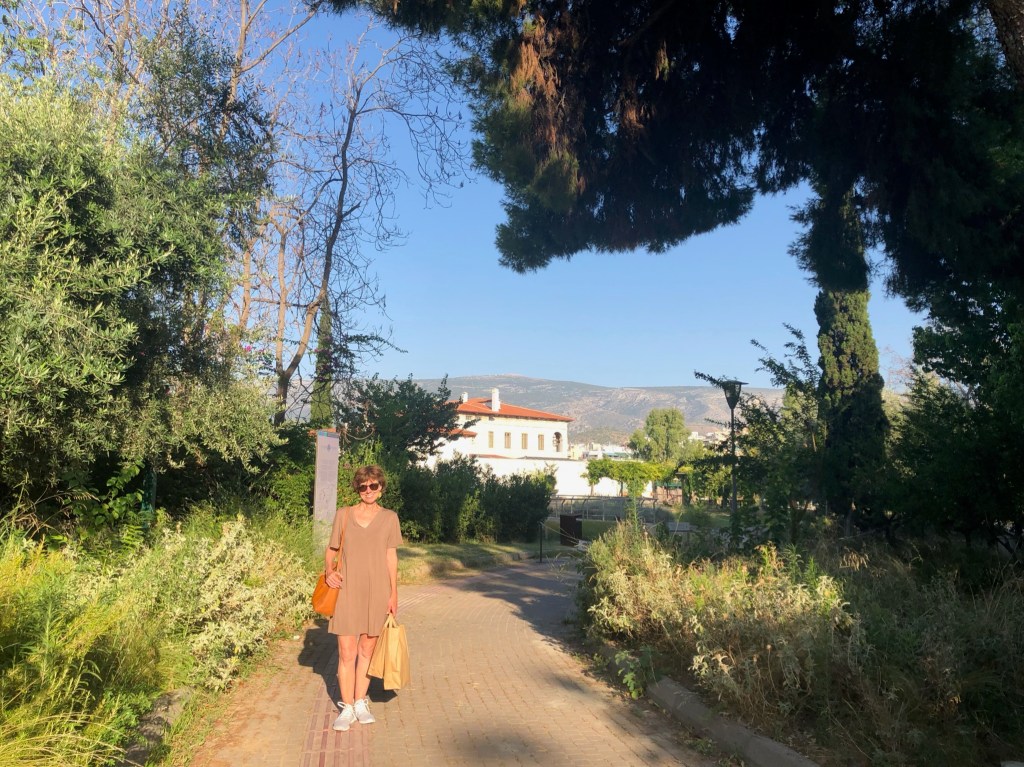
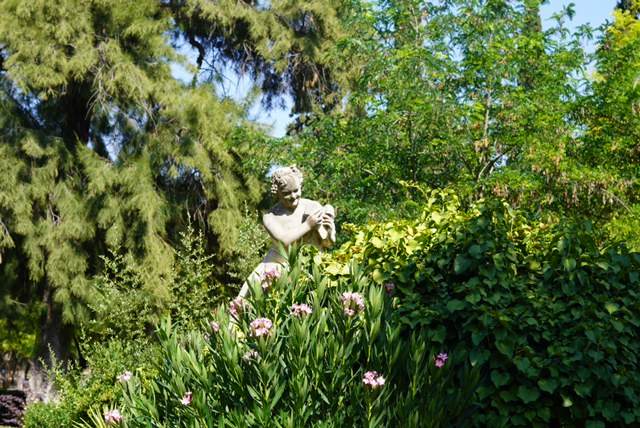
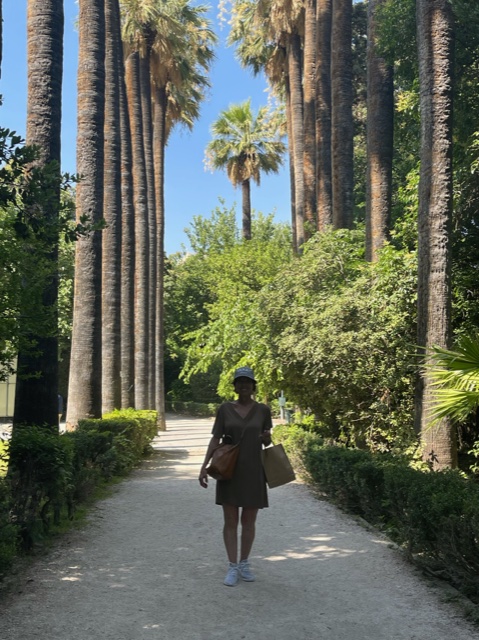
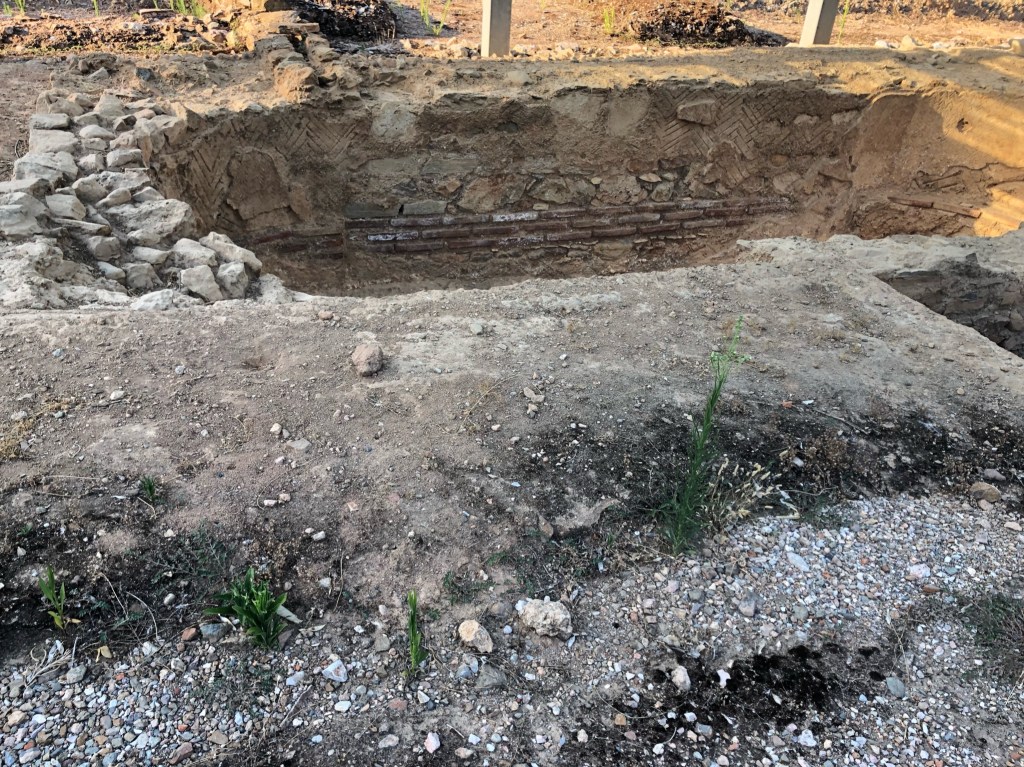
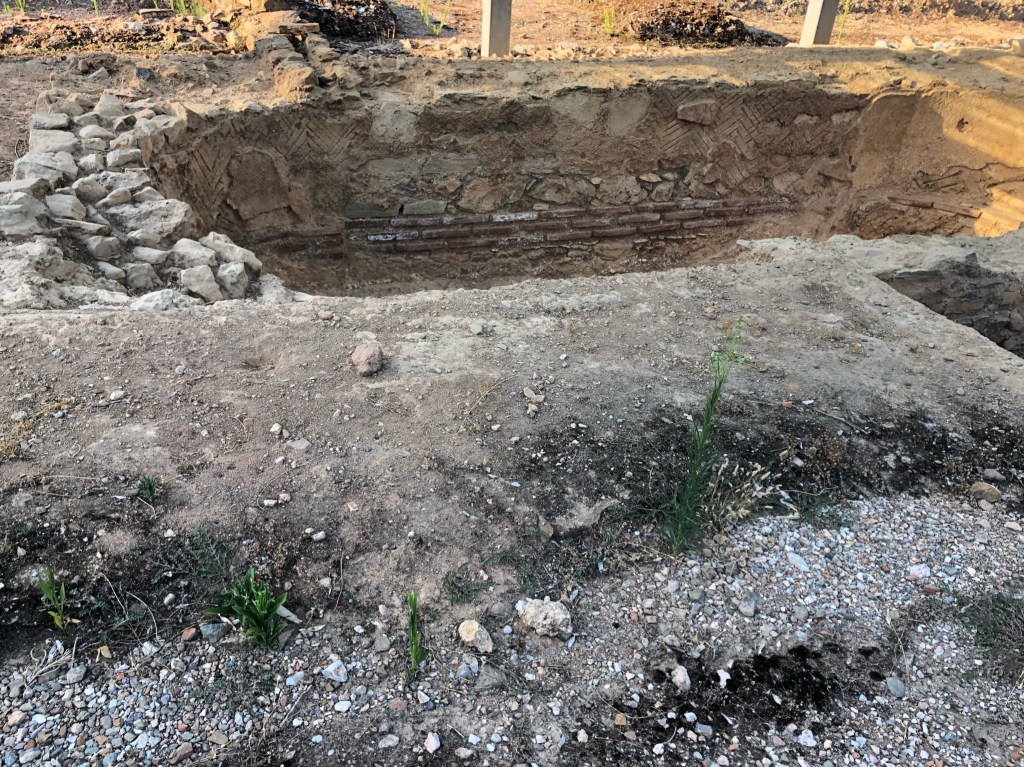
Archaeological Site of Lykeion
Near the National Gardens are archaeological sites including the site of Lykeion. This is where the famous School of Athens was located! Yes, Socrates actually taught here!
“The only thing I know is that I know nothing.” Socrates- Around 490 BC
The Panathenaic Olympian Stadium
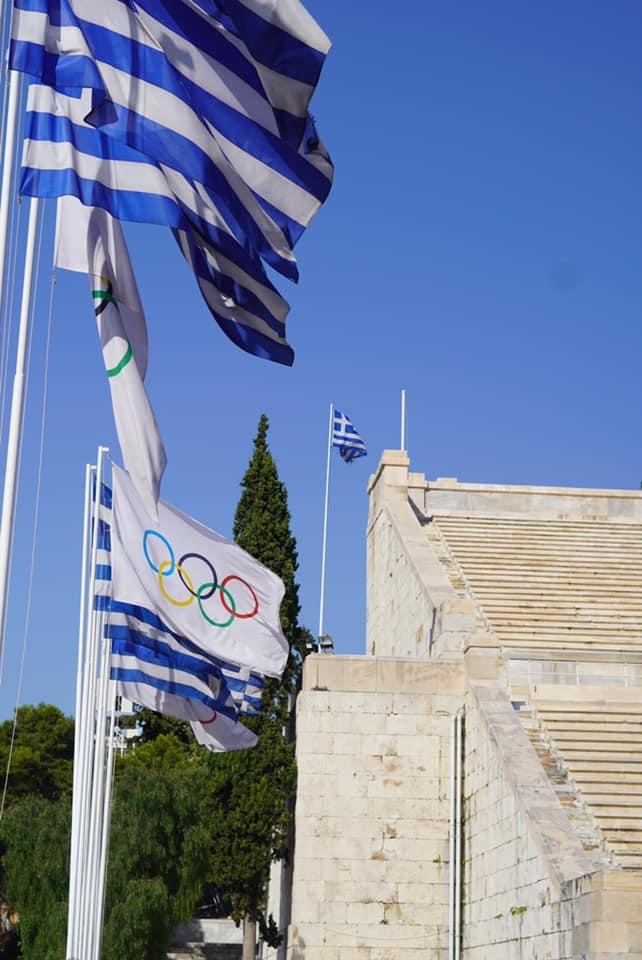
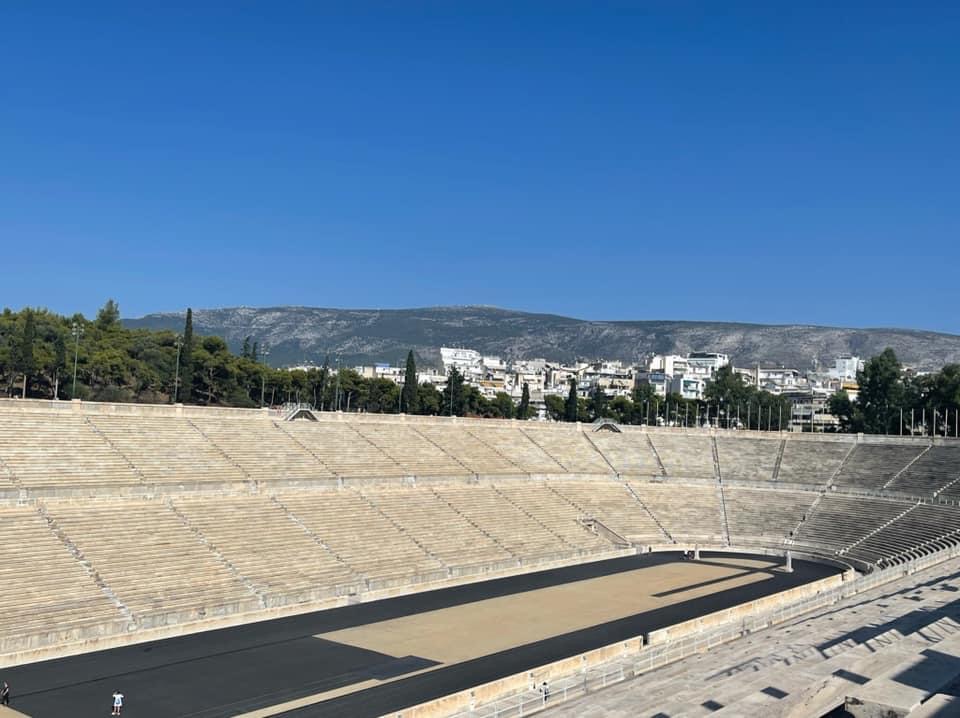
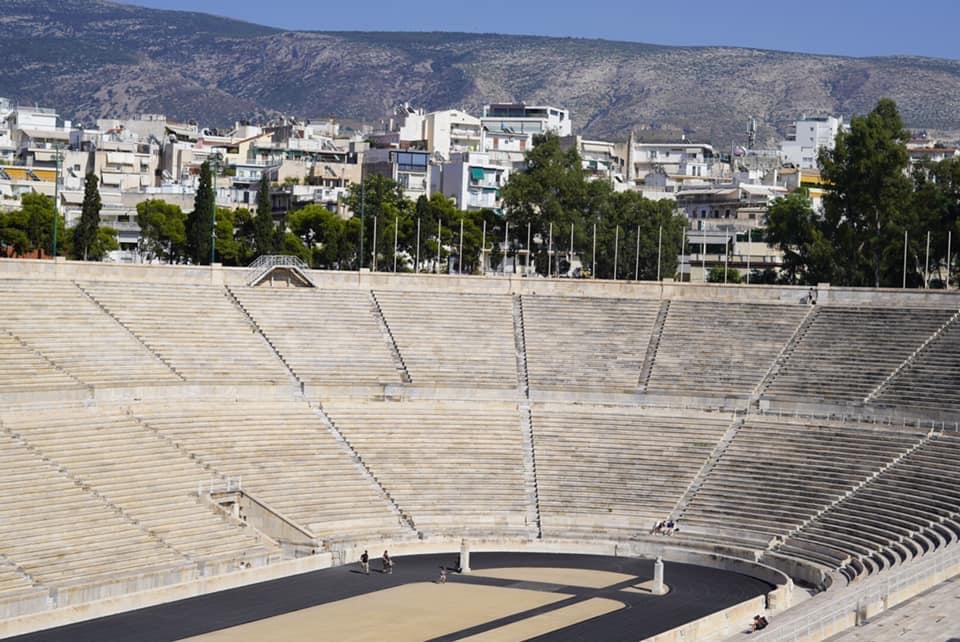
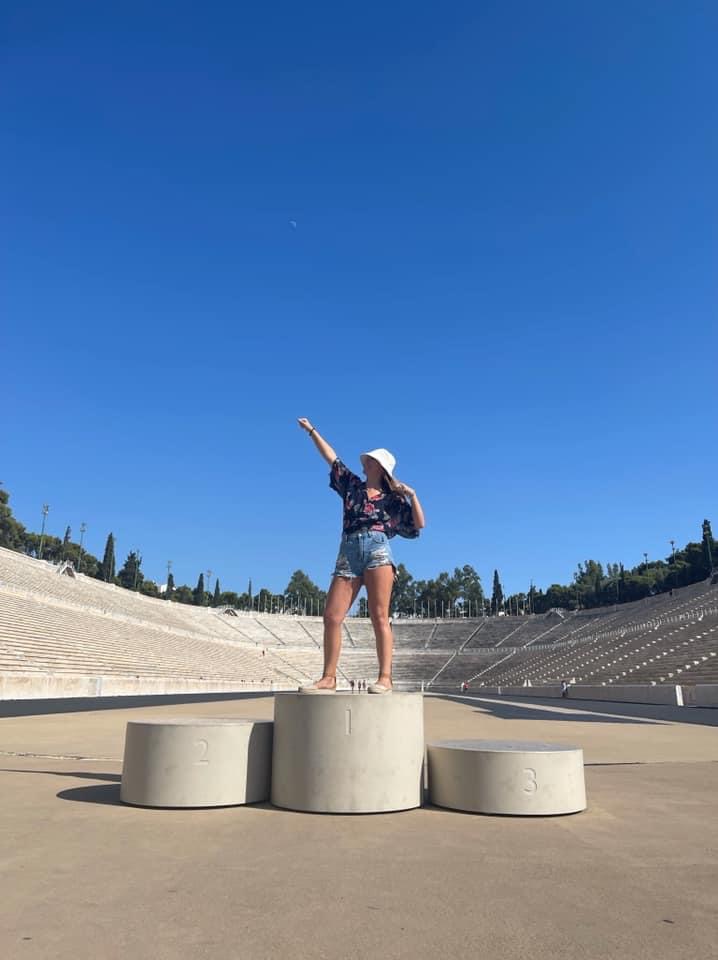
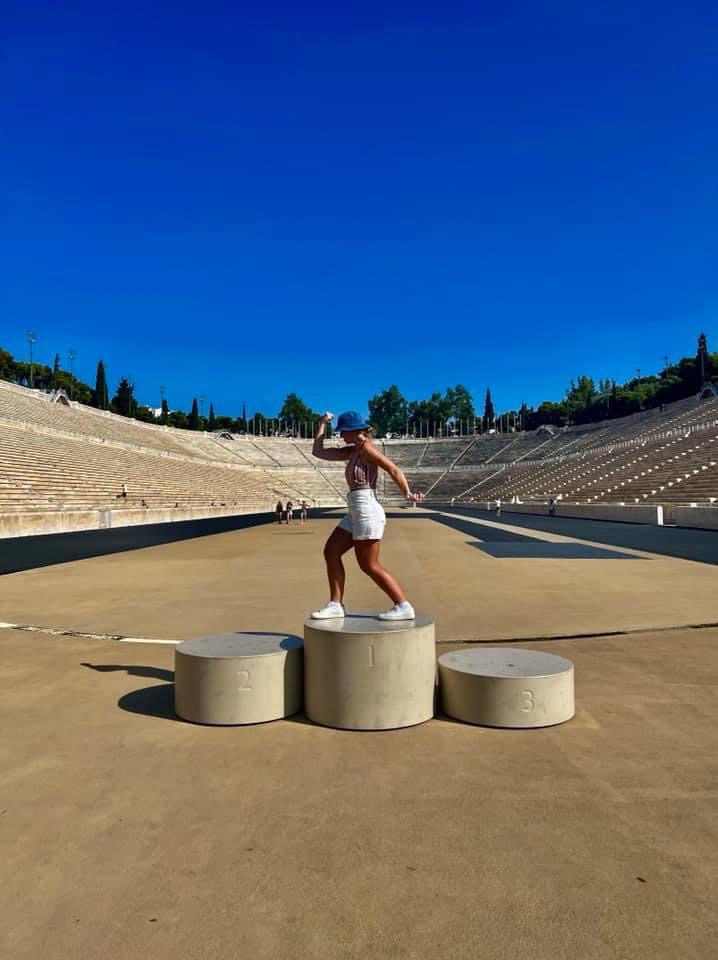
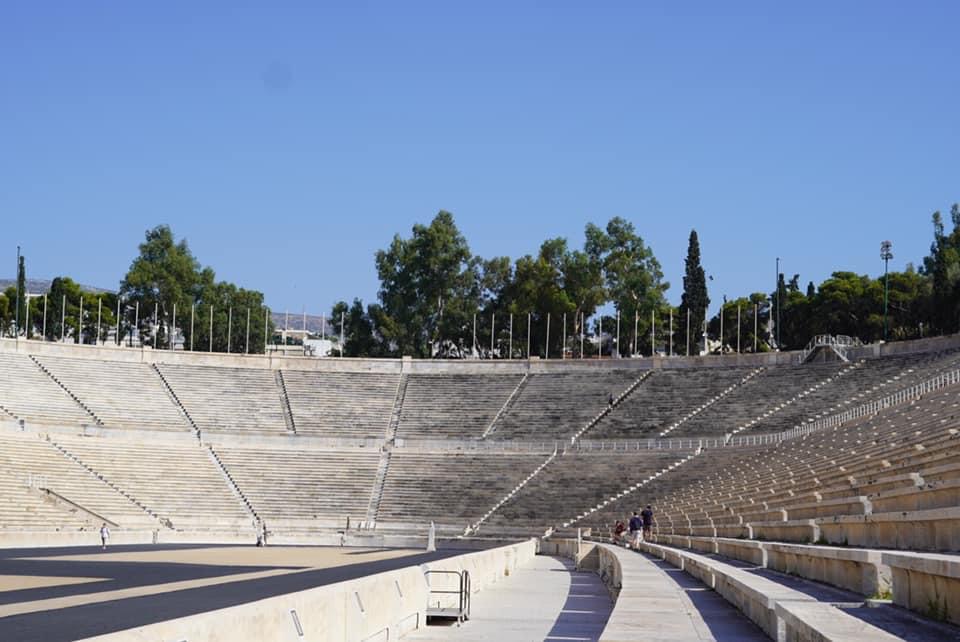
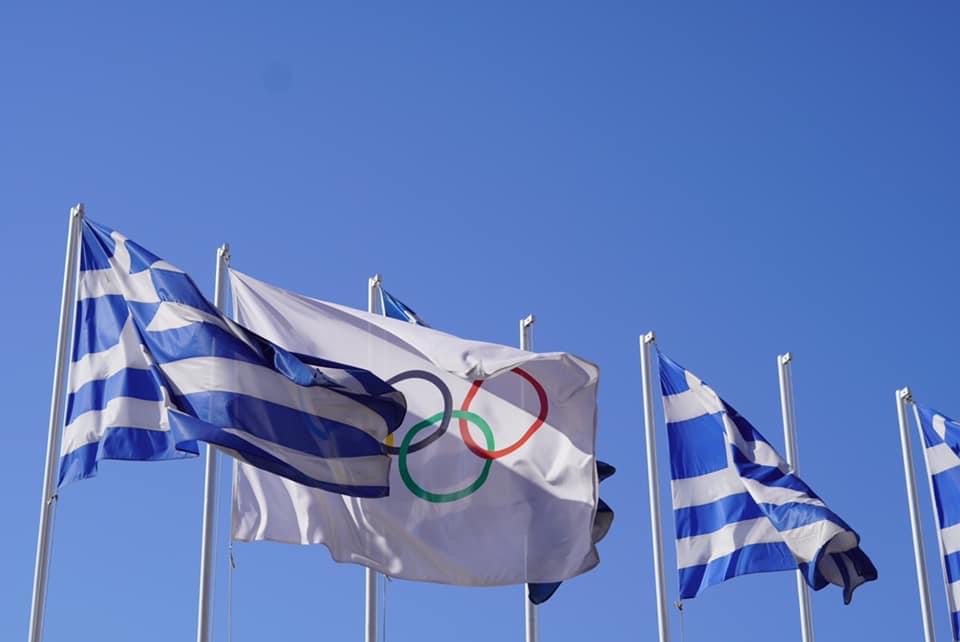
The only stadium in the world built entirely of marble, and the site of the first modern Olympic Games- We had so much fun walking around, climbing up the steep marble steps, running around the track, and clowning around!
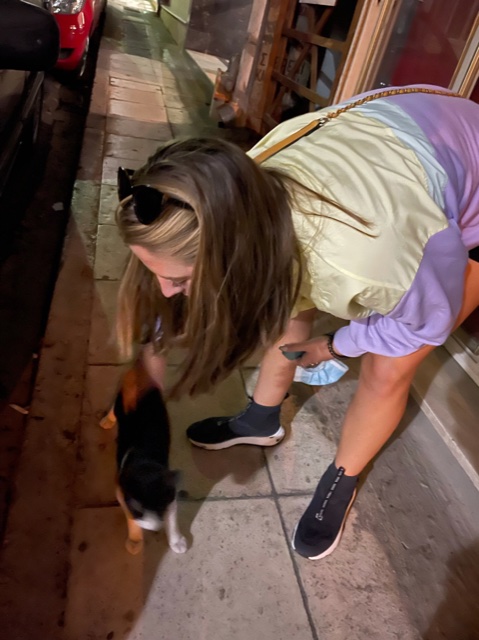
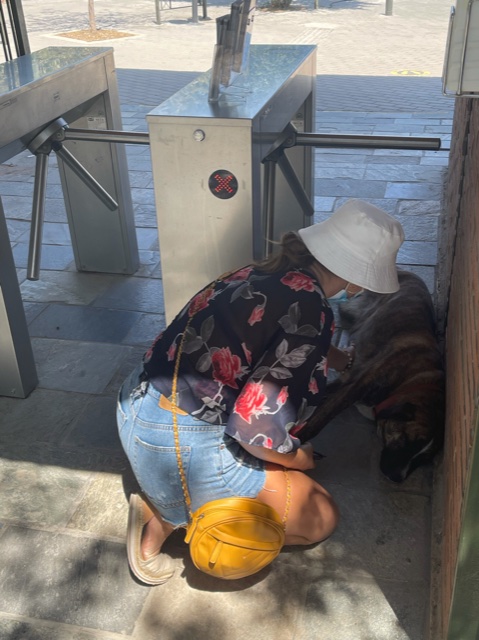
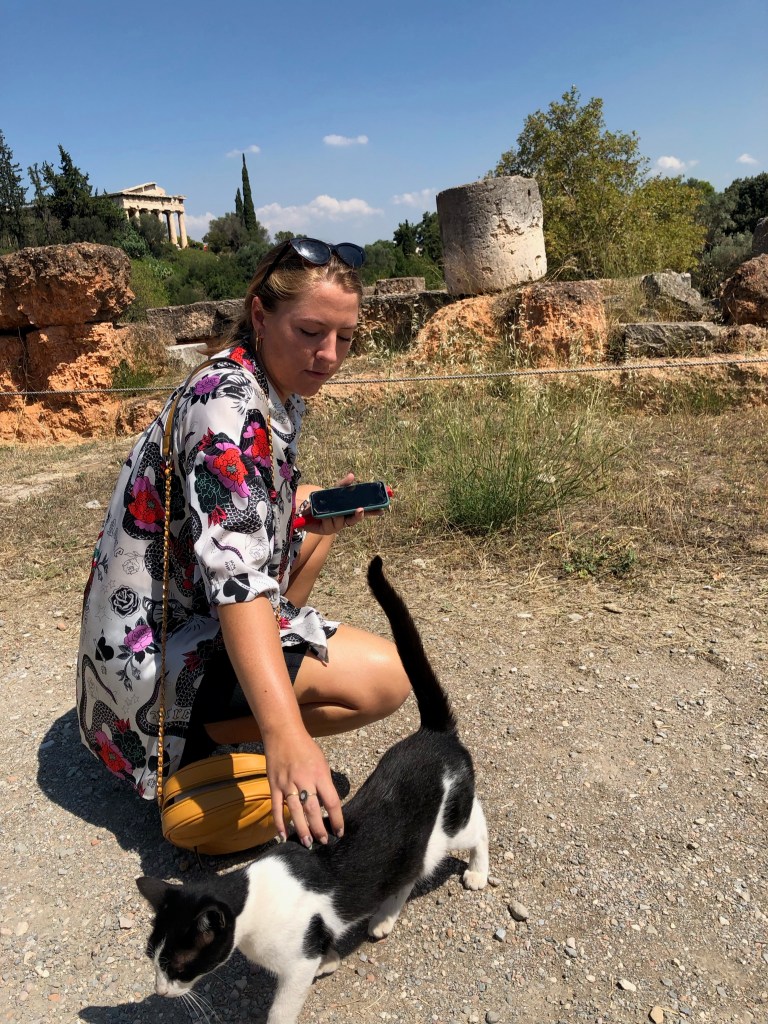
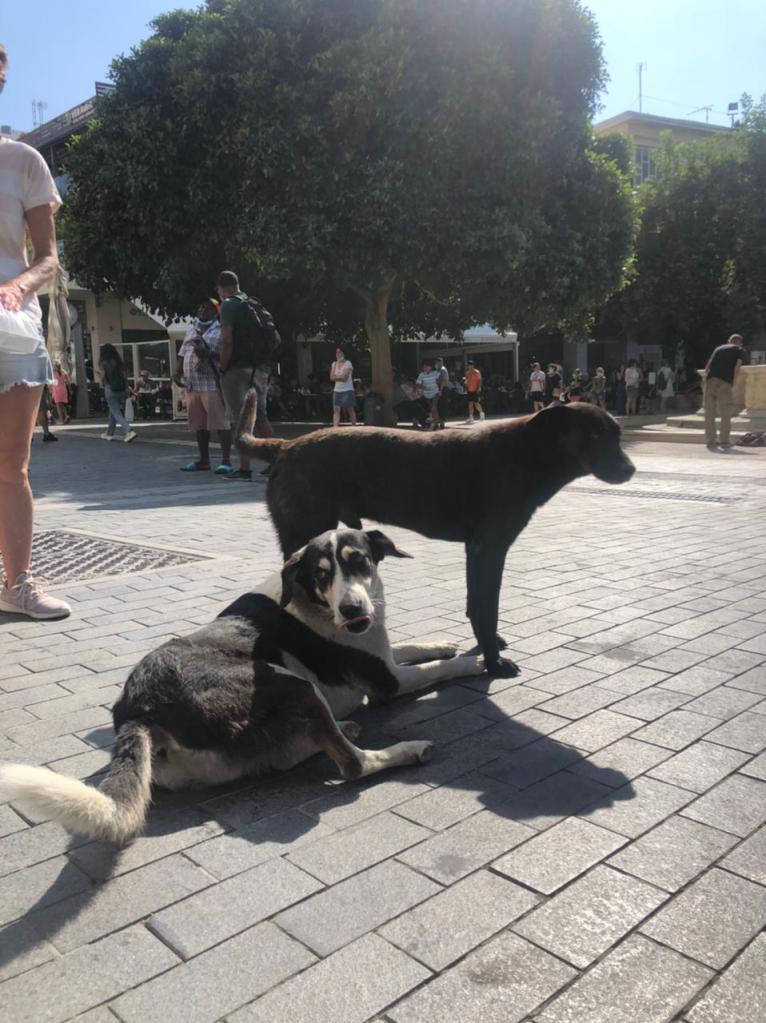
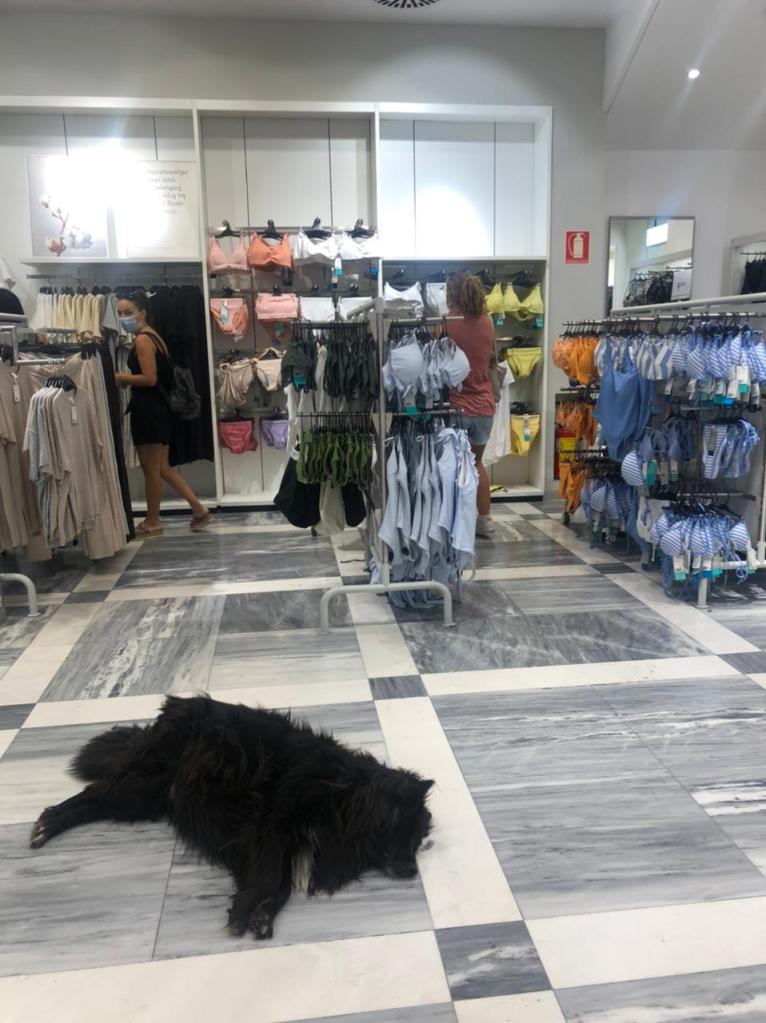
SO MANY DOGS AND CATS!
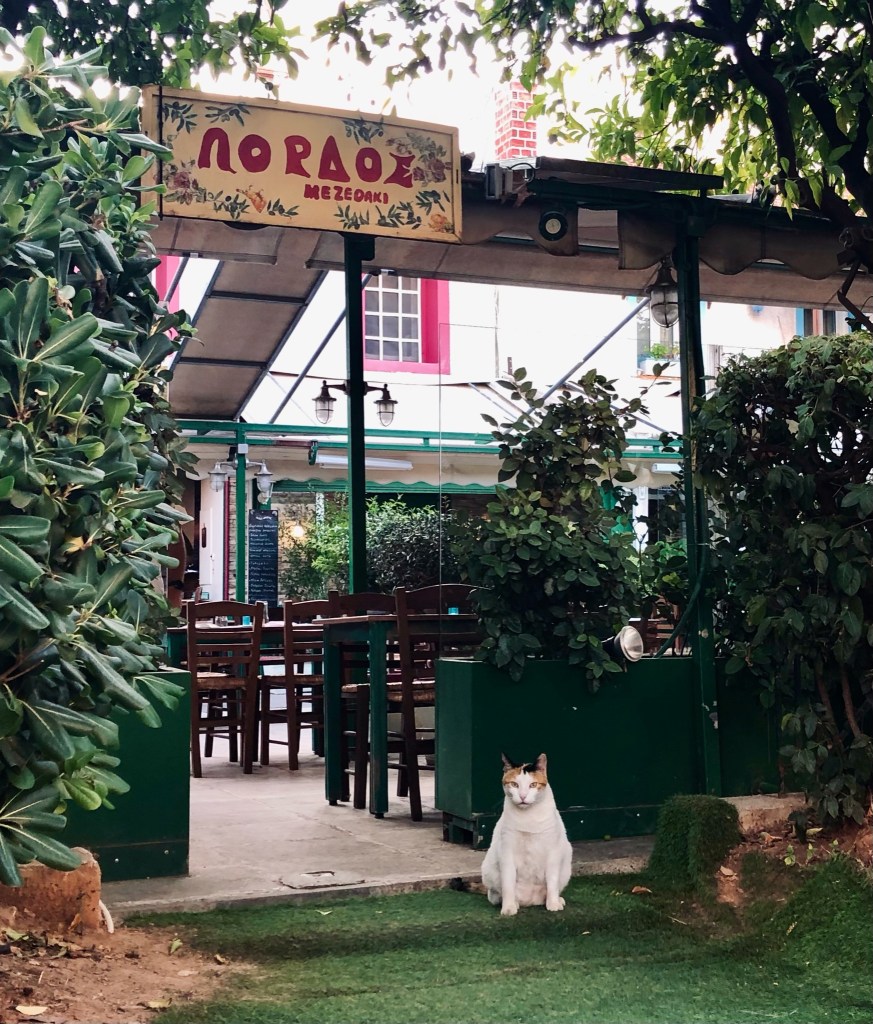
It made me happy to see dogs and cats EVERYWHERE, including in stores and shops! Apparently well taken care of by kind city-dwellers and tourists, the animals are super street-smart, looking both ways and crossing busy streets at opportune moments. It was a phenomenon we saw everywhere we travelled in Greece!
Archeological Sites
Amazing-Astonishing-Remarkable-
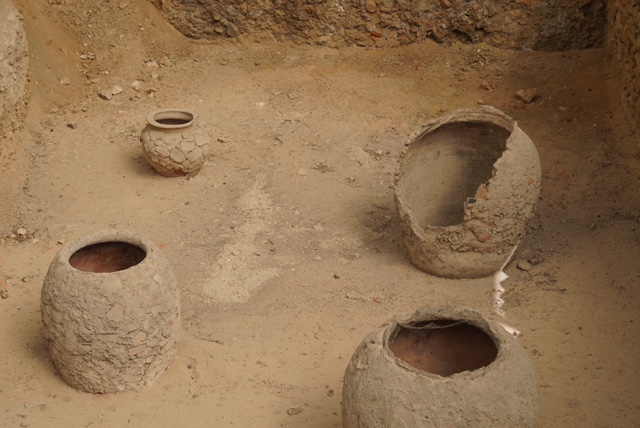
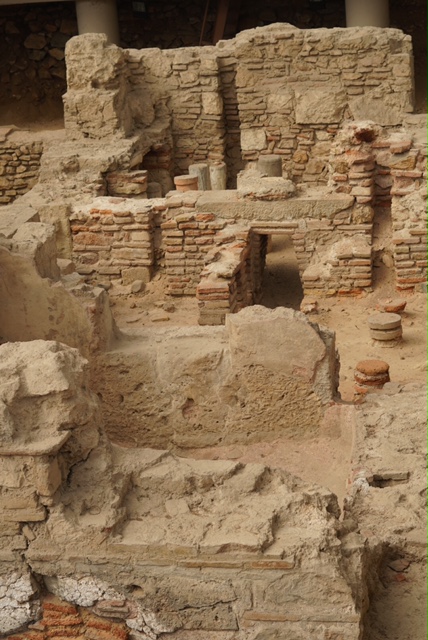
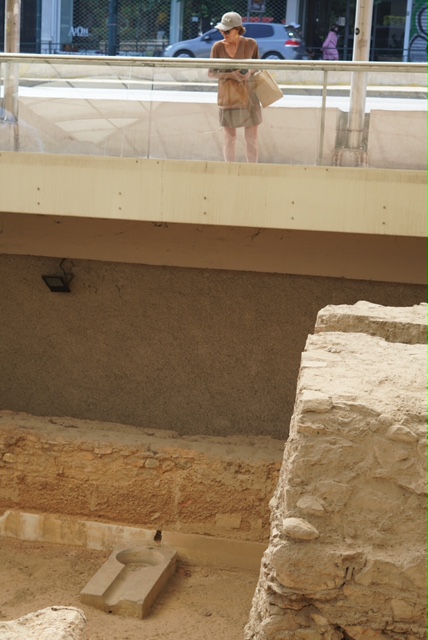
People from ancient times lived in these structures, walked the steps, poured from the vessels… it is beyond amazing to me to see the (many!) archeological sites throughout the city.
The informative placard at this site suggests that Christian martyrs once used the this area as a hiding place. Found here etched into the walls are Christian symbols of fish, anchors, doves and crosses.
Byzantine and Christian Museum
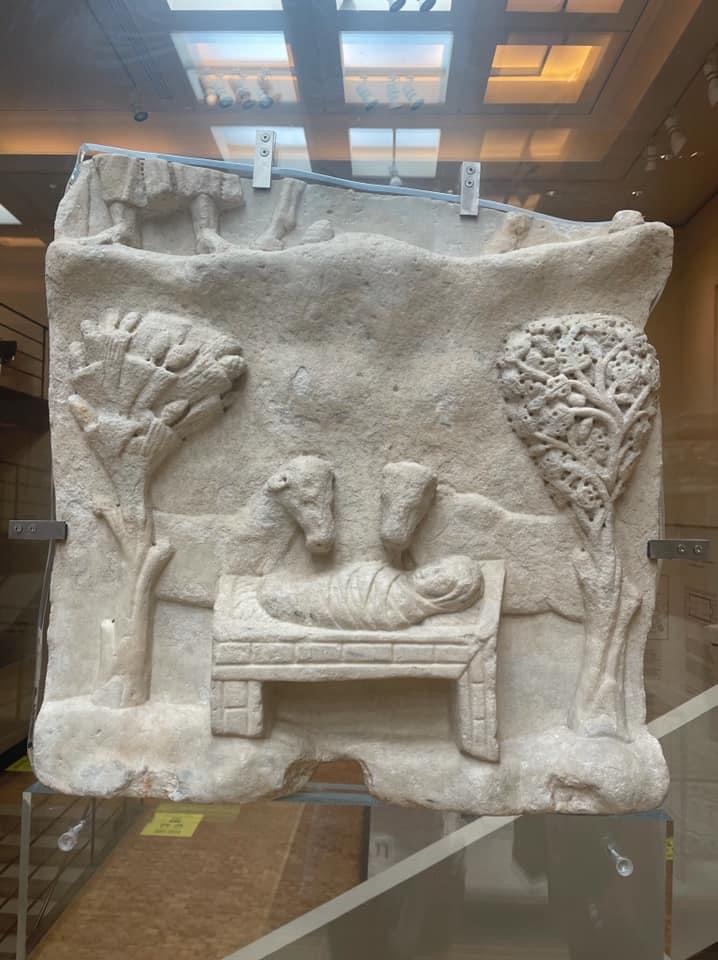
Built in 1914 to collect, study and preserve the Byzantine and Post Byzantine cultural heritage, the Byzantine and Christian Museum holds approximately 30,000 artifacts, including Christian sculptures, textiles, paintings, jewelry, mosaics, wall paintings, and books.
This is thought to be one of the earliest depictions of the Nativity, from around 400 AD.
FOOD IN ATHENS
We walked thousands upon thousands of steps each day trying to see all of Athens, so we replenished our energy frequently through the wonderful foods there! I love the family-style meals served at many restaurants or by request. Spicy cheese dip was a favorite treat, as was yogurt, which I had every day, usually with honey, nuts and fruit. A staple for me also was grilled k-bobs which are called souvlaki (not to be confused with the gyro made with the grilled meat, also called souvlaki, we discovered.)

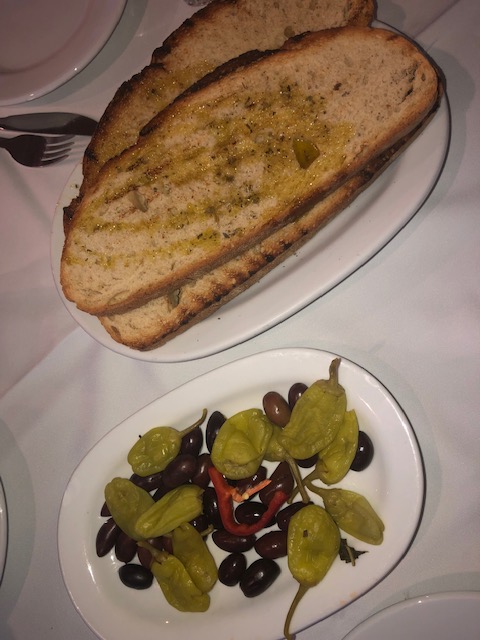
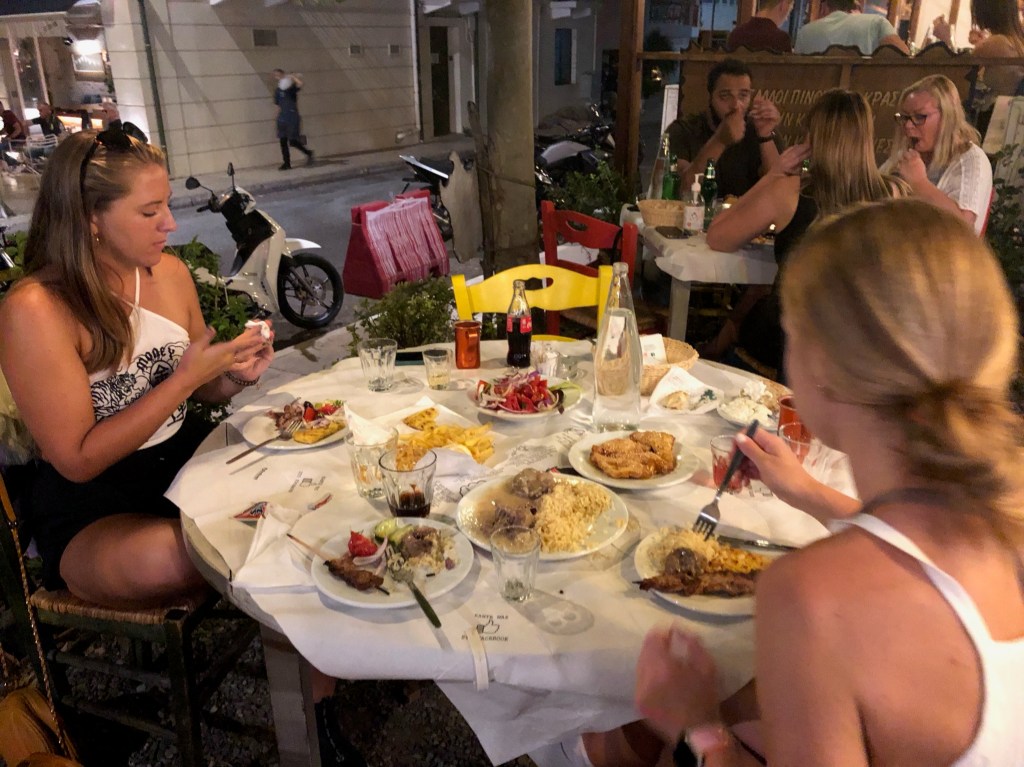

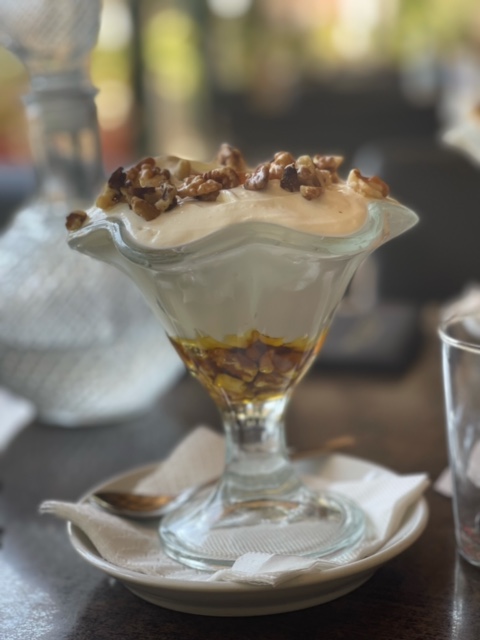
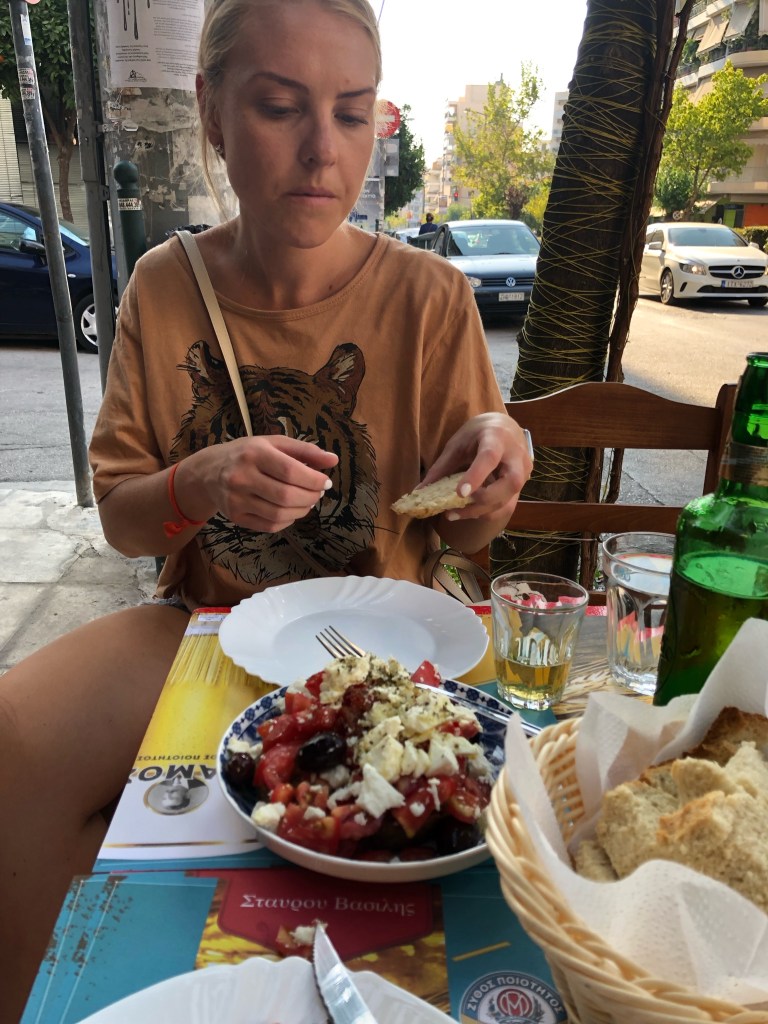
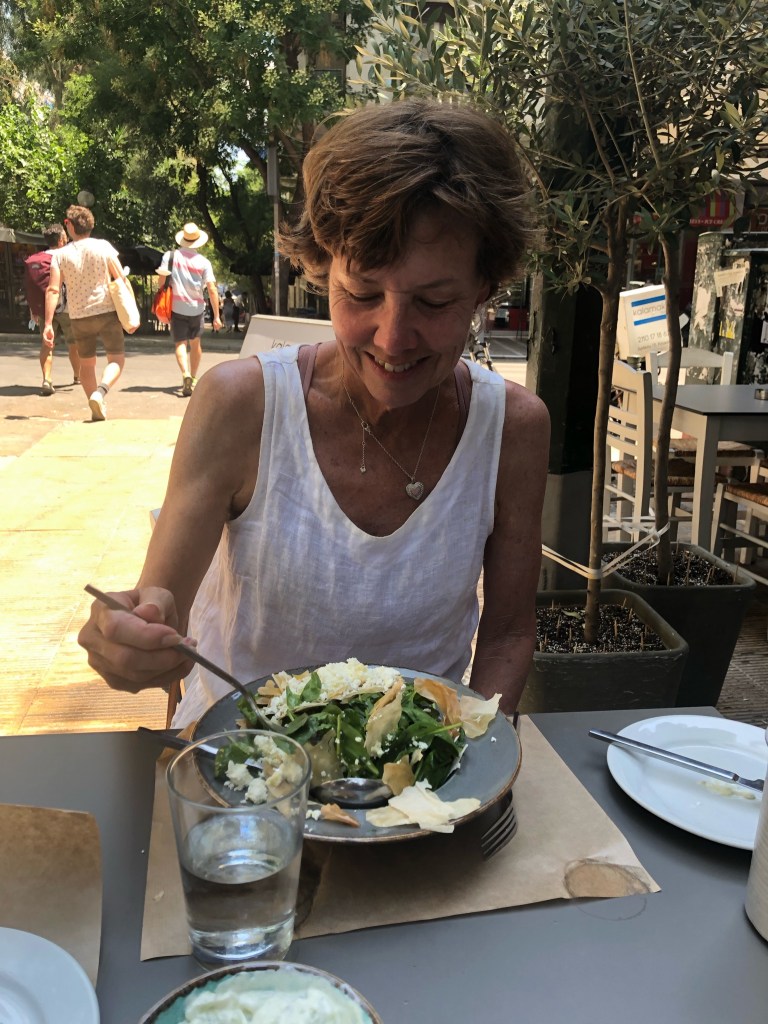
This spinach salad with ‘crust’ and feta cheese was amazing.
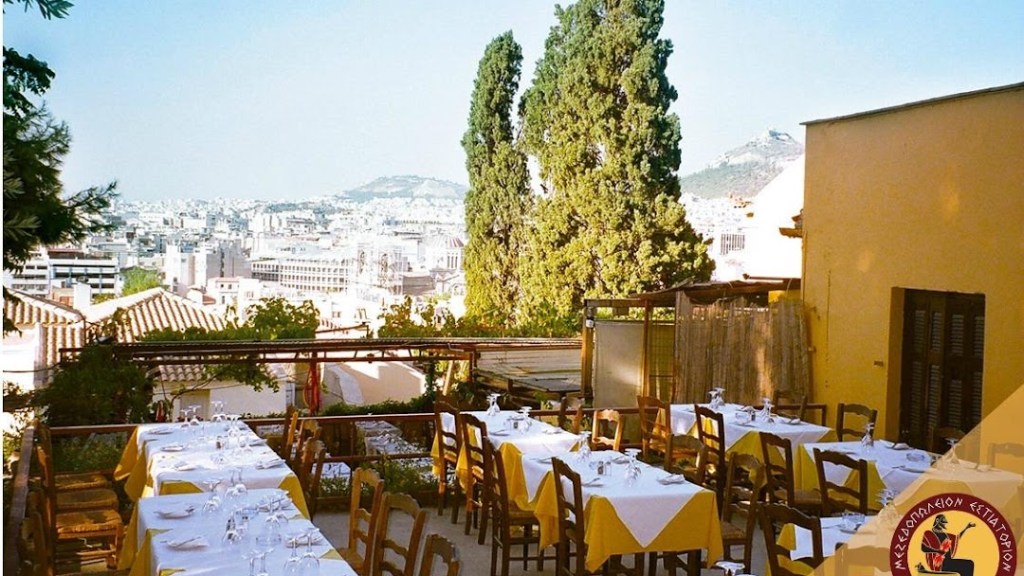
One of my favorites was a restaurant called Senor Zeus in Anafiotika. On our way down from hiking the Acropolis, we struck up a conversation with a man who took care of stray cats there (he knew them all by name and told us about each of their personalities!) He recommended the restaurant to us. It was wonderful, with a menu of the day that included several delicious courses and dessert. There was fried stuffed tomatoes and zucchini; fish dip; spinach pie; chicken skewers; stuffed bell peppers, and much more. We enjoyed all of it with a splendid view of the whitewashed homes and sky over Anafiotika. So very relaxing after the long day of hiking!
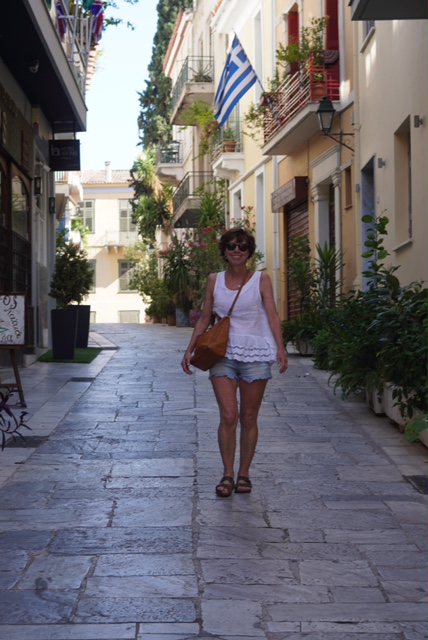
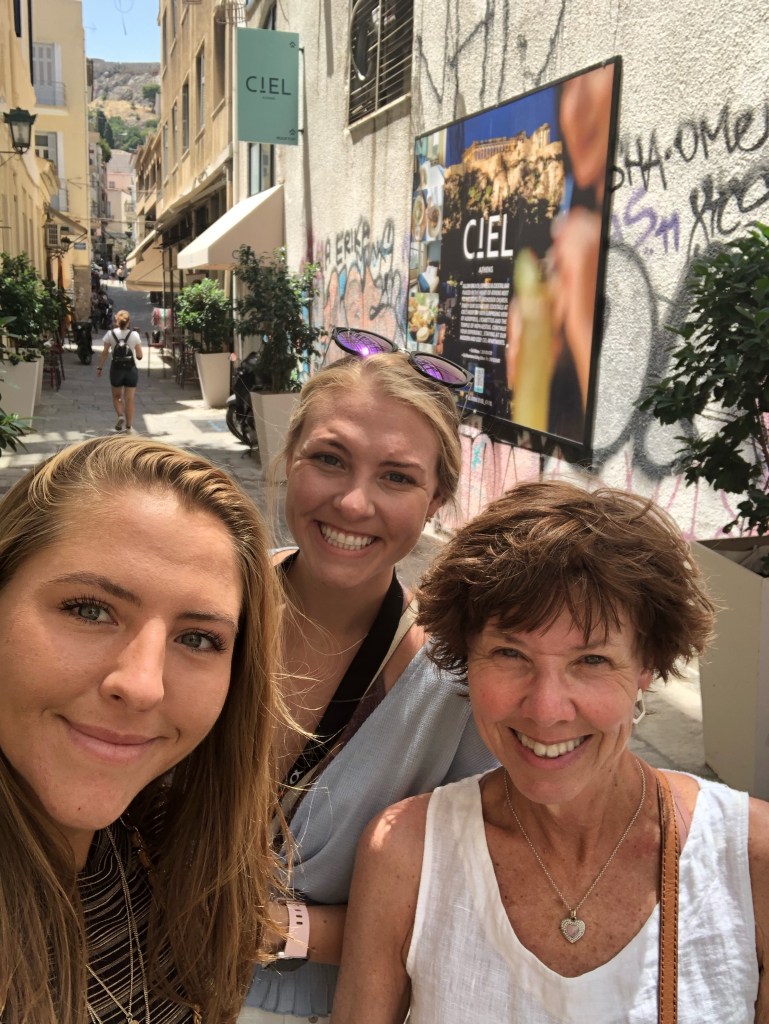
Shopping in the Plaka district was fun, with me searching for souvenirs, and my daughters looking for jewelry or clothes. We all managed to find all we wanted and more!
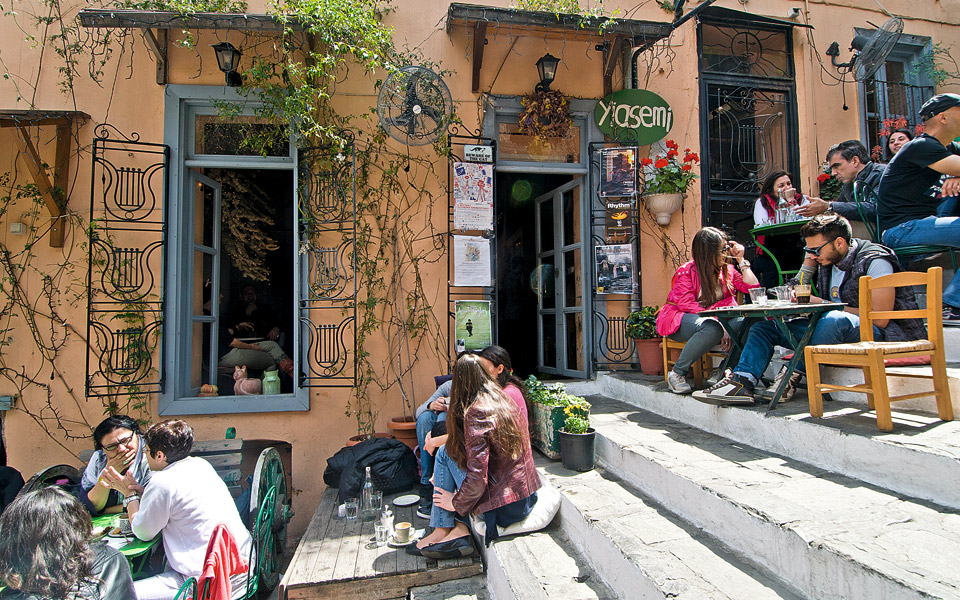
You can sit on the famous “steps of the tavernas” in the Plaka district for a meal or drinks. It is very pretty with lights along the stairs at night. We ate on the roof of one of the restaurants there one evening.
 Gayla's Blog