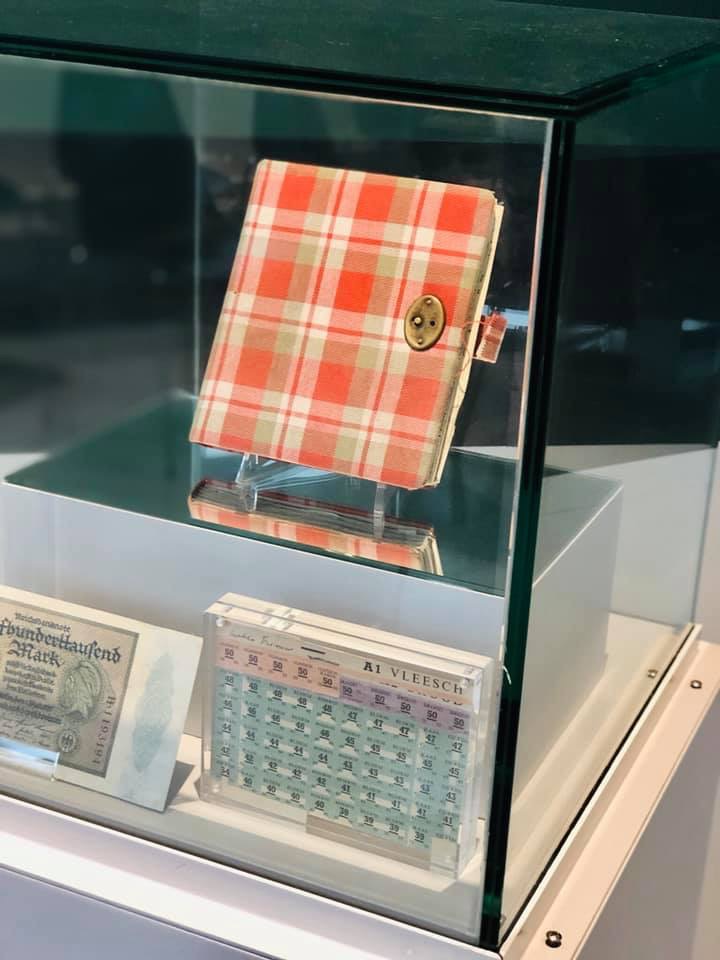
Anne Frank was a 14 year old Jewish girl who began keeping a diary shortly before her family went into hiding from the Nazis during World War II. For two years, she and seven others lived in a “Secret Annex” in Amsterdam before being discovered and sent to concentration camps. Anne died in the Bergen-Belsen camp in 1945.
Frank’s father was the family’s sole survivor. He reluctantly read Anne’s diary, which gives a detailed account of Anne’s thoughts, feelings and experiences while she was in hiding. Later, at the urging of friends, he decided to publish the diary. It has been an international bestseller for decades and a key part of Holocaust education programs. Several humanitarian organizations are devoted to her legacy.
“Anne was a lively and talented girl, expressing her observations, feelings, self-reflections, fears, hopes and dreams in her diary,” said Annemarie Bekker of the Anne Frank House in Amsterdam. “Her words resonate with people all around the world.”
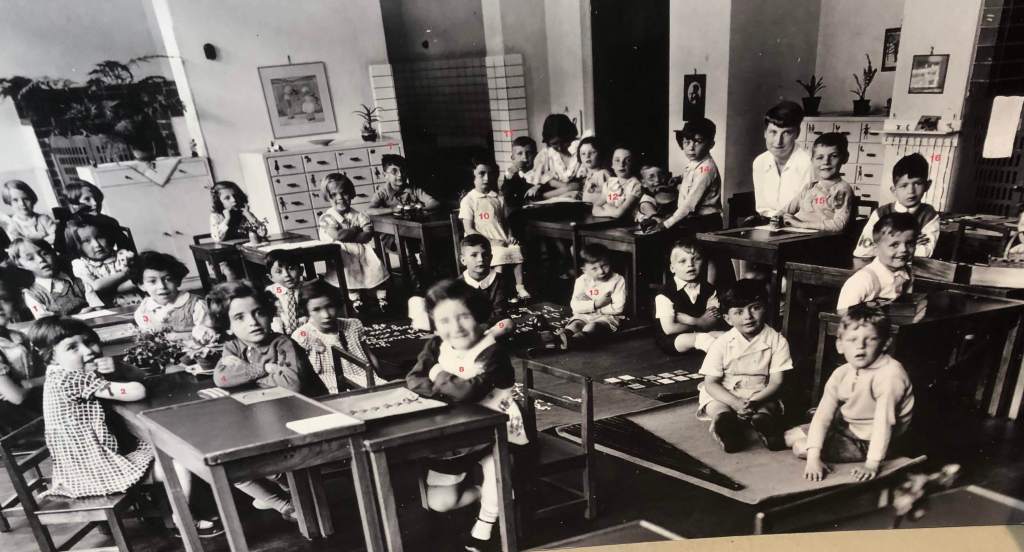
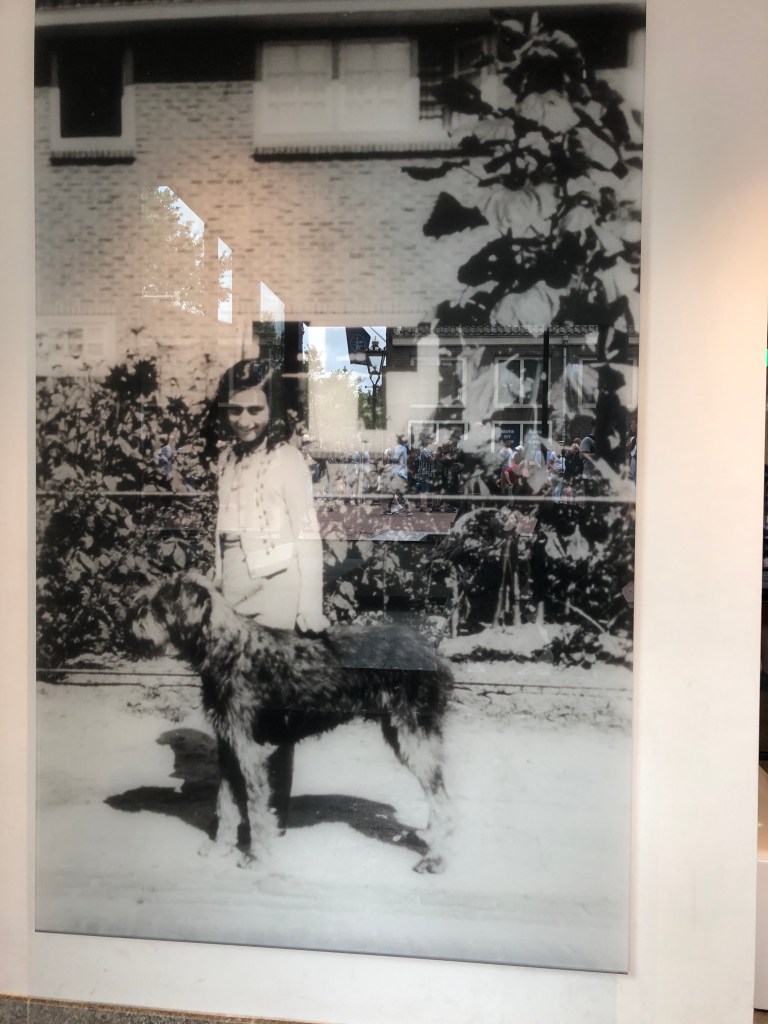
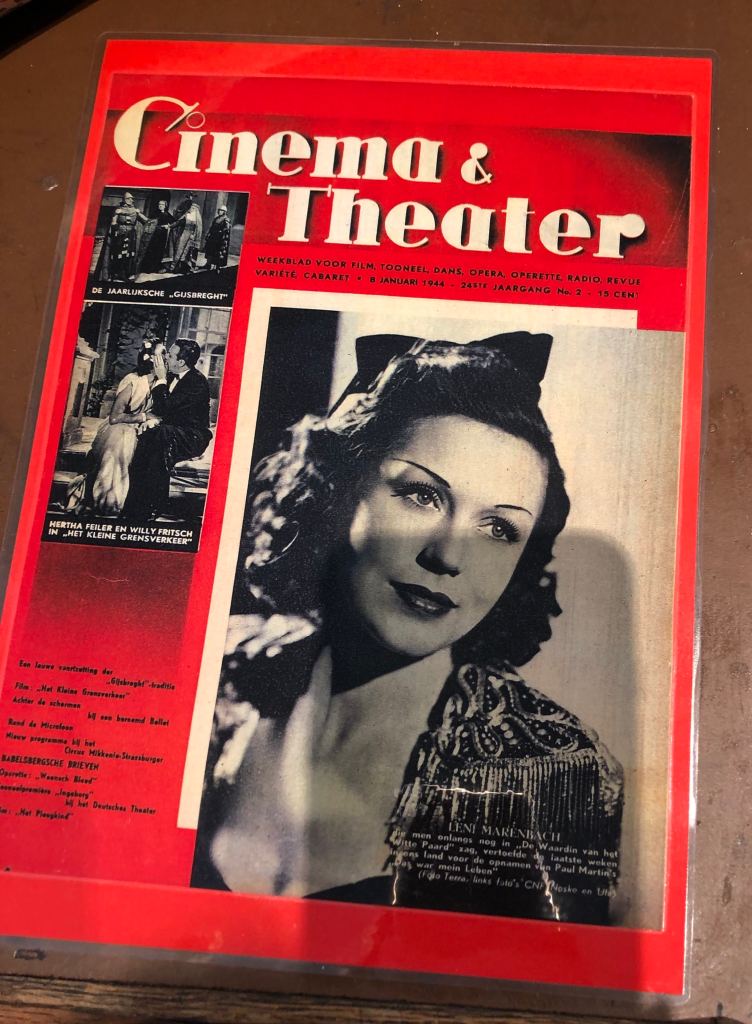
on her walls.
While Anne did describe life in the Secret Annex, she also wrote extensively about her thoughts, feelings, relationships and personal experiences that had nothing to do with the Holocaust or the Franks’ situation. We know from her diary that Anne sometimes disagreed with Margot, felt her mother didn’t understand her and had a crush on Peter. Sharing a room with Fritz Pfeffer, a middle-age man, was awkward for both Anne and Fritz, and Anne sometimes wrote about her struggles.
 Gayla's Blog