Malia
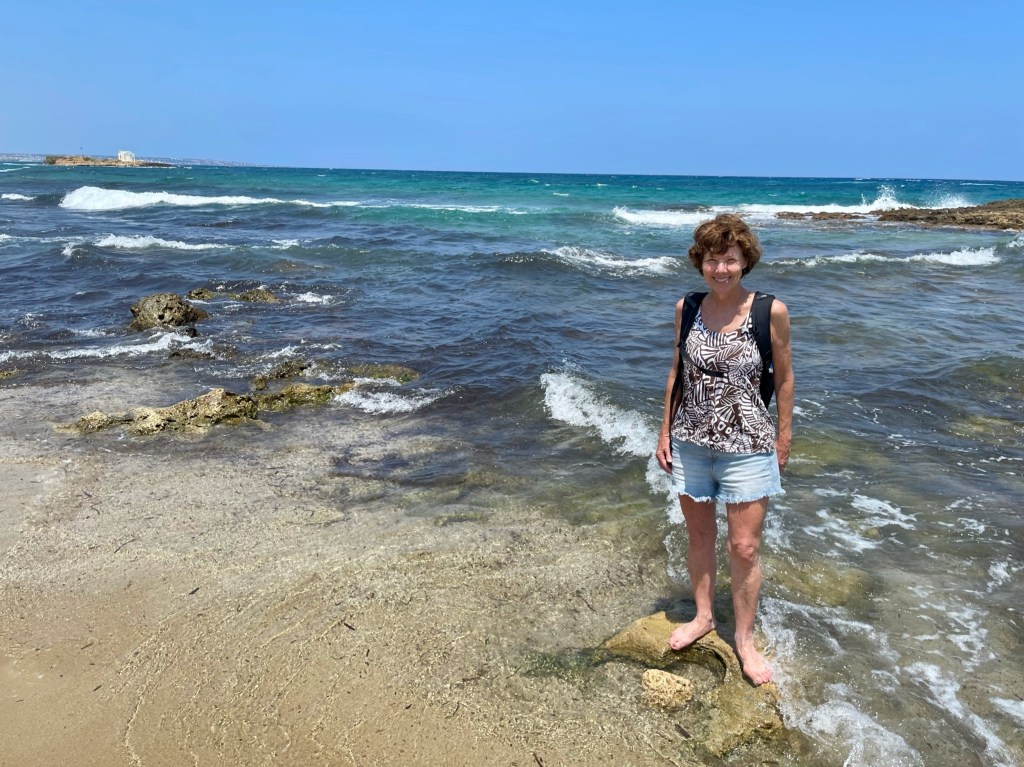
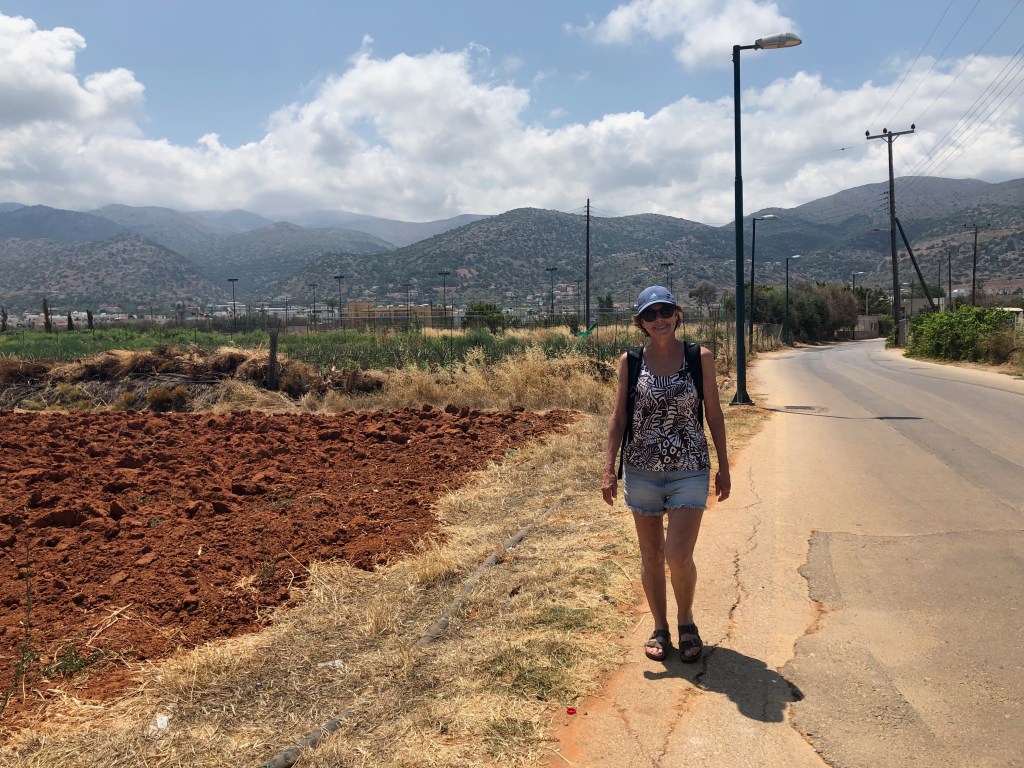
The beach at Malia made for a relaxing day after the whirlwind of Athens.
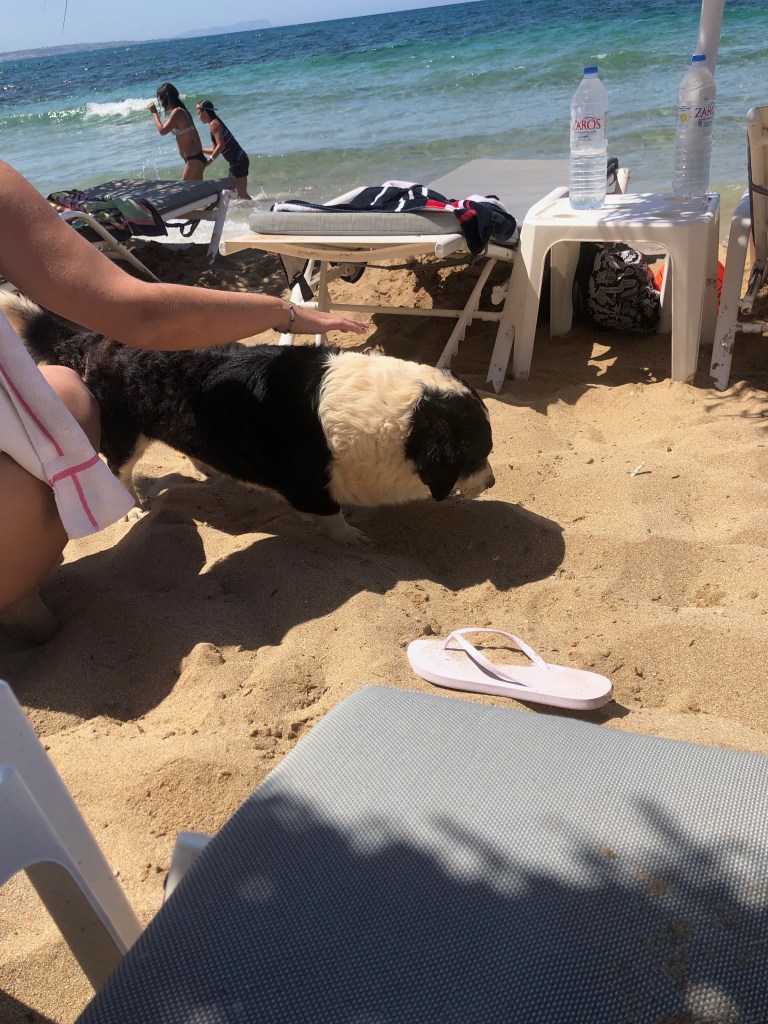
We met up with this dog not only at the beach but all around town throughout our stay. 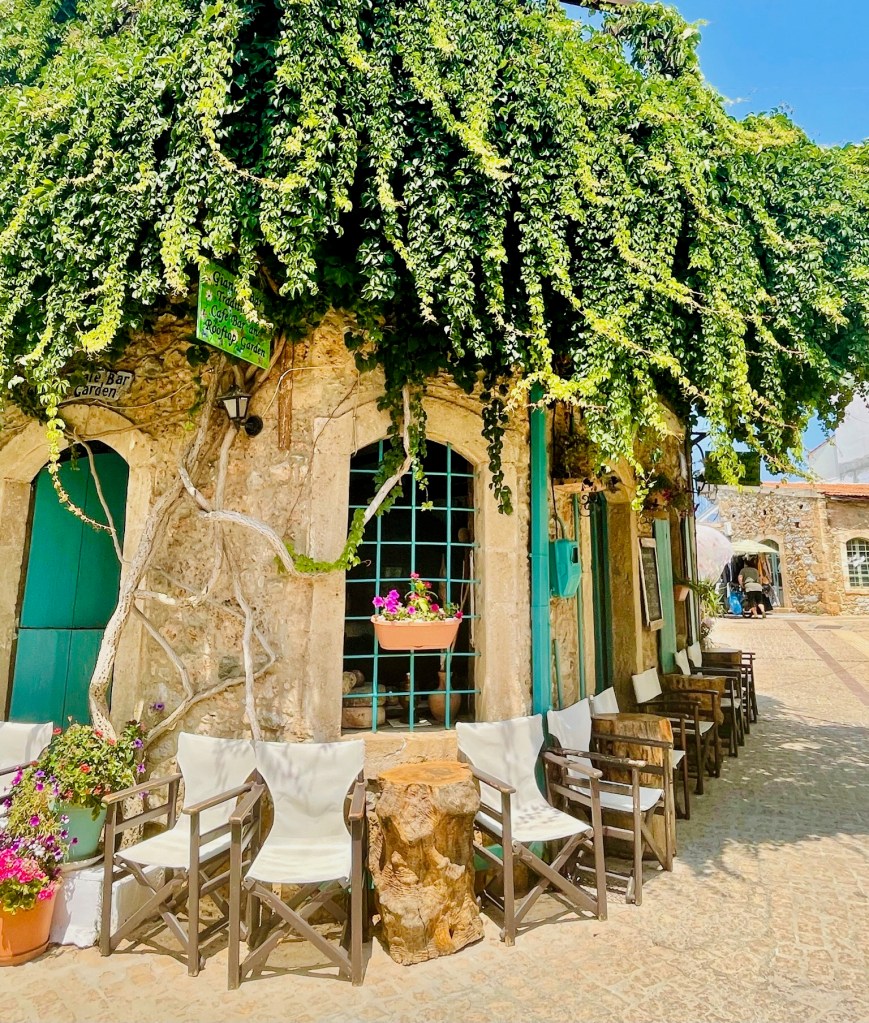
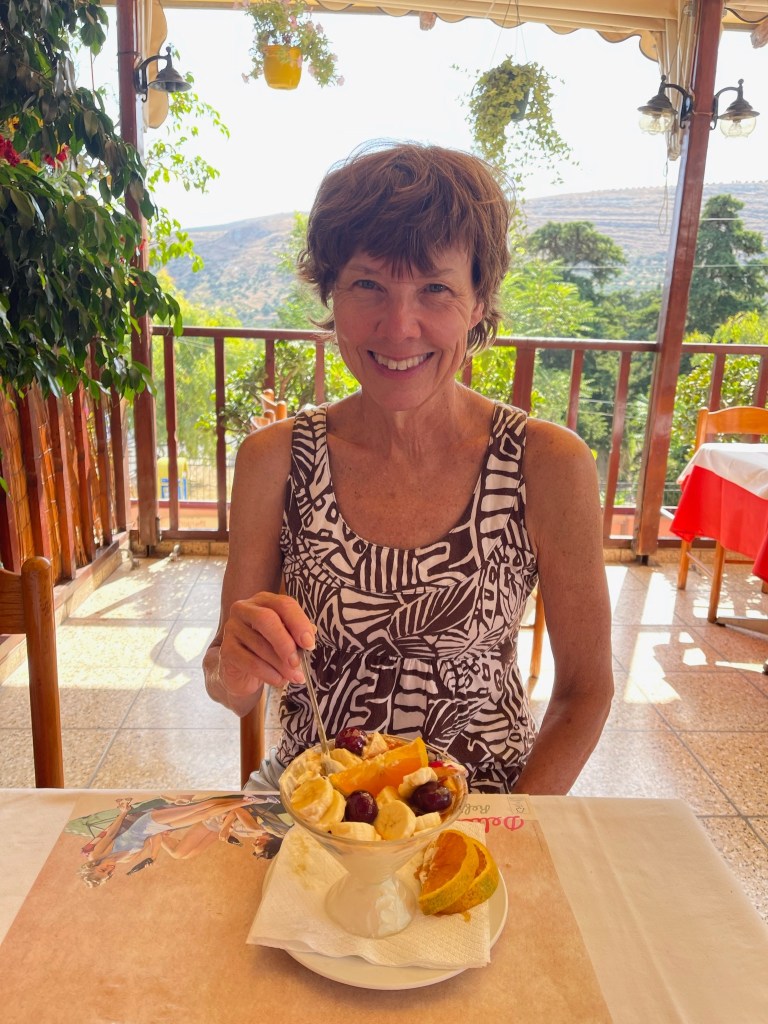
An old Cretan building in old town Malia held a wonderful dining experience! We tried an assortment of Cretan cheeses, as always a beautiful Greek salad, and other Greek dishes— all delicious!
A favorite Cretan food was barley rusks— a double-baked bread made with barley flour and sometimes whole wheat flour. Also called a dakos, it is served drizzled with olive oil, sprinkled with oregano, and topped with cheese, tomatoes and olives. Yum!
The Samaria Gorge
Beautiful, expansive, freeing… Samaria Gorge!
When we started on this hike, I knew why I had come to Crete! The Samaria Gorge cuts 16 miles through the White Mountains of Crete, and ends at the Libyan Sea. Our tour group was to hike a shorter version of the gorge. My daughters and I, though, hiked past the “Iron Gate” at which point our travel tour guide had told us to turn around, because we were looking for an actual gate. The “Iron Gate” is, instead, a 13 foot wide section of the gorge with 900 foot tall cliffs on each side. We had taken photos there then forged on ahead looking for the iron gate!
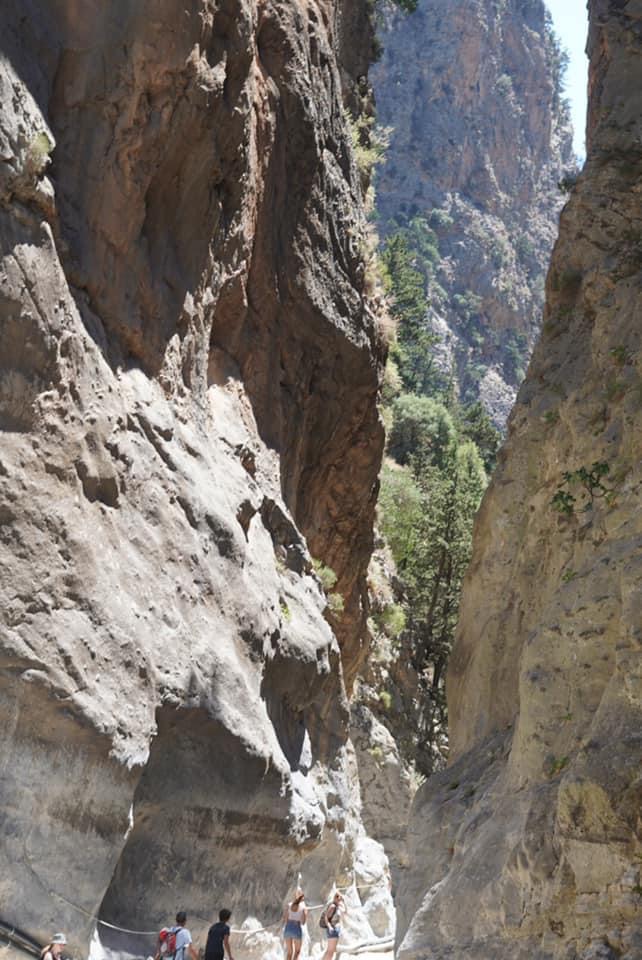
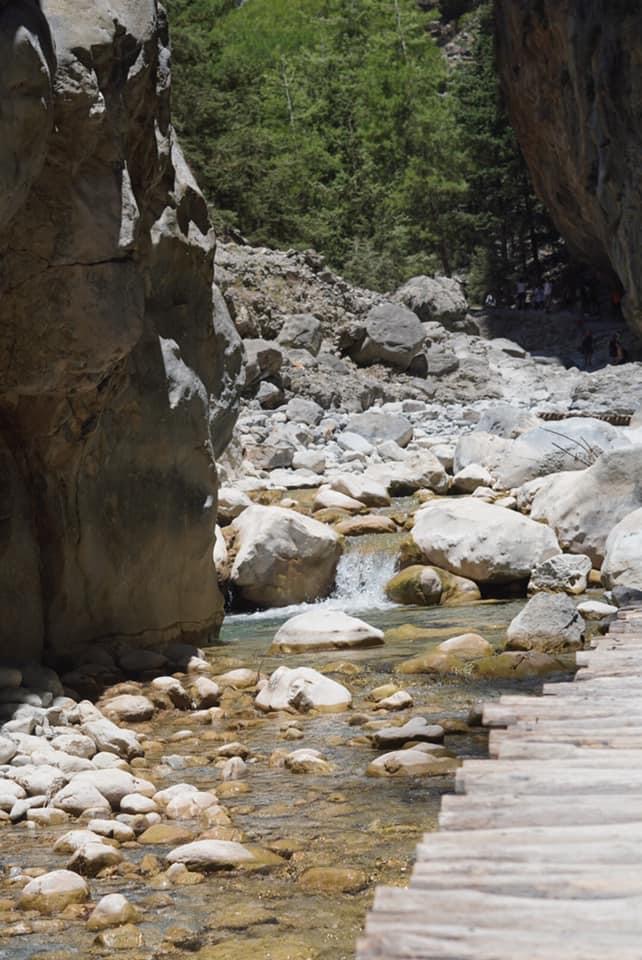
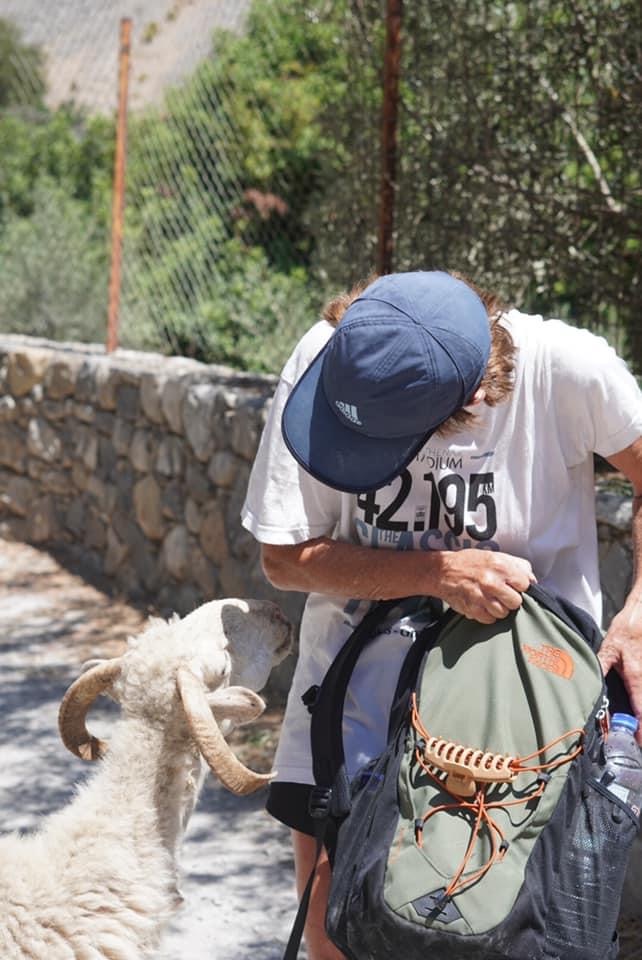
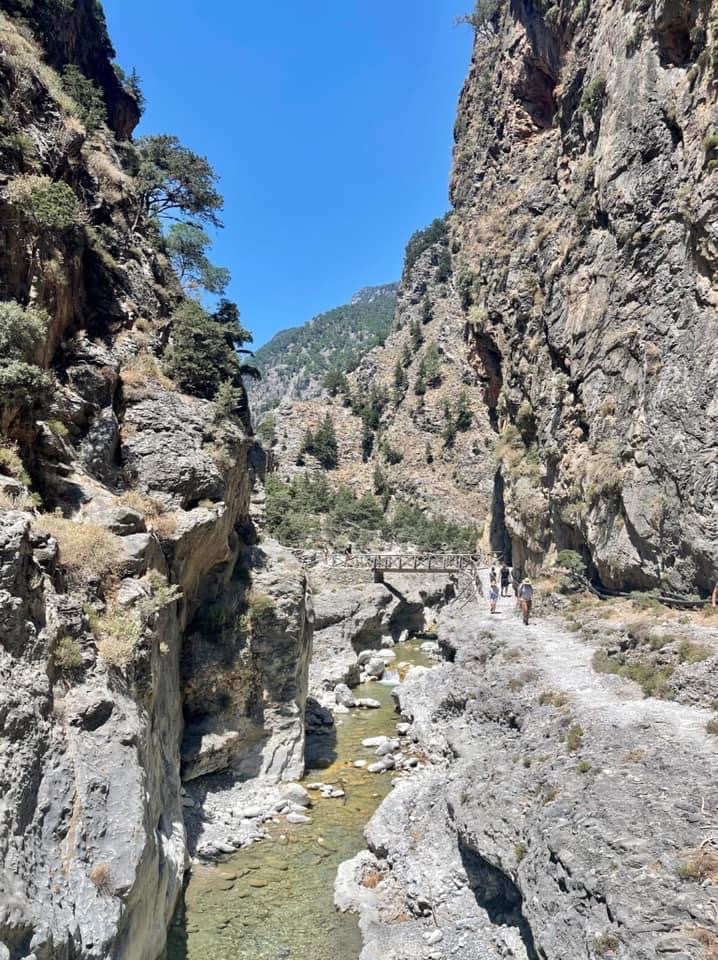
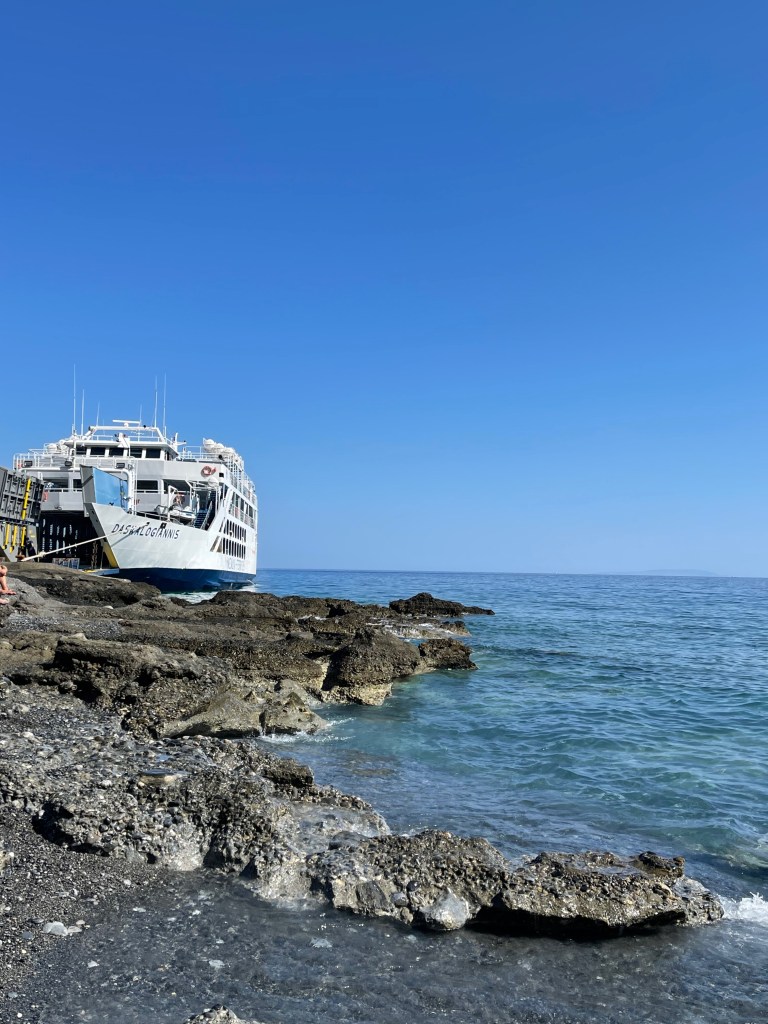
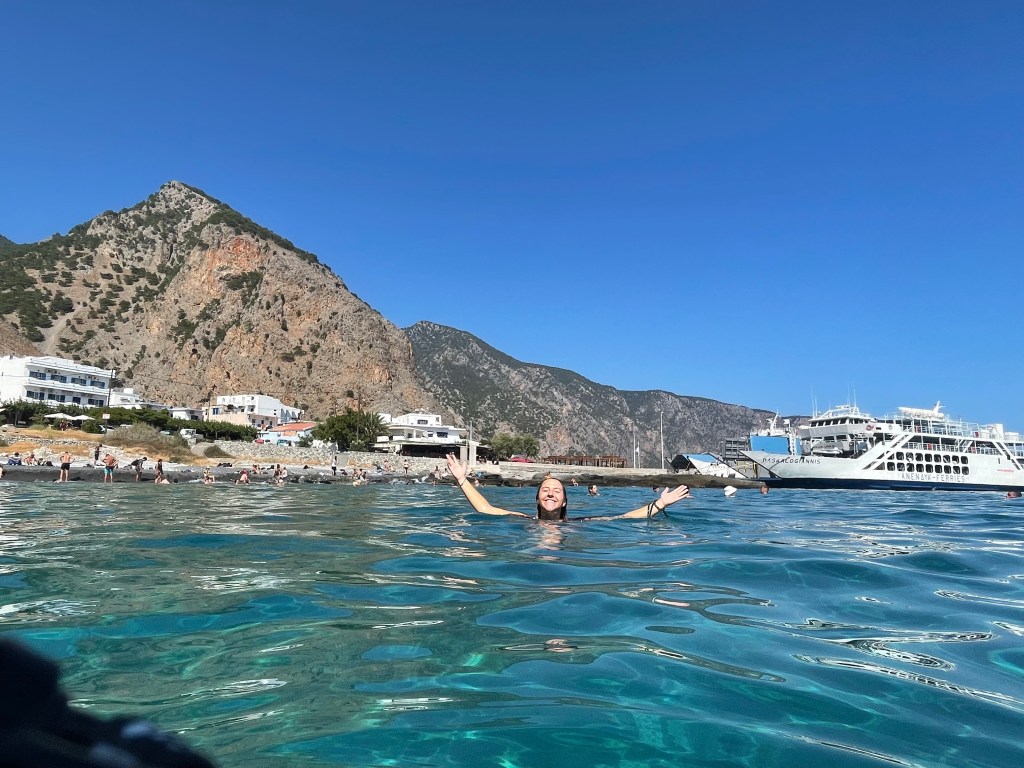
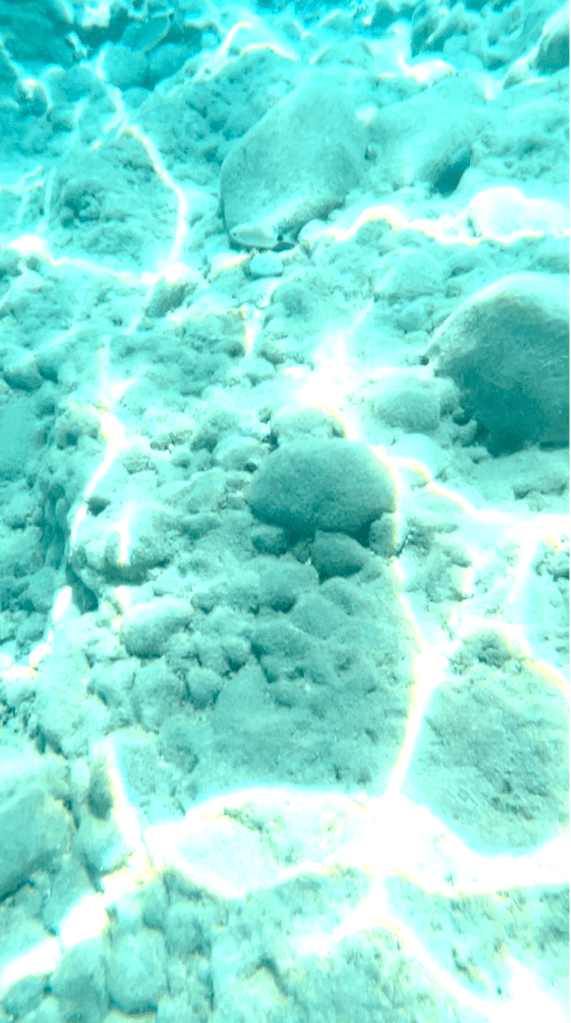
We explored underwater— so fun!
The 2 1/2 hour bus ride from Heraklion was followed by a 45 minute ferry ride to get to Samaria to hike the gorge; then, of course, we followed the same routine back to Heraklion. The bus ride was interesting with olive groves, farms, goat herds with bells ringing, mountains and sparkling coastline. The ferry ride was enjoyable and relaxing. The hike and swim? An experience I am glad I didn’t miss in my life!
What a fun day!
Palace of Knossos
Palace of Knossos Slideshow:
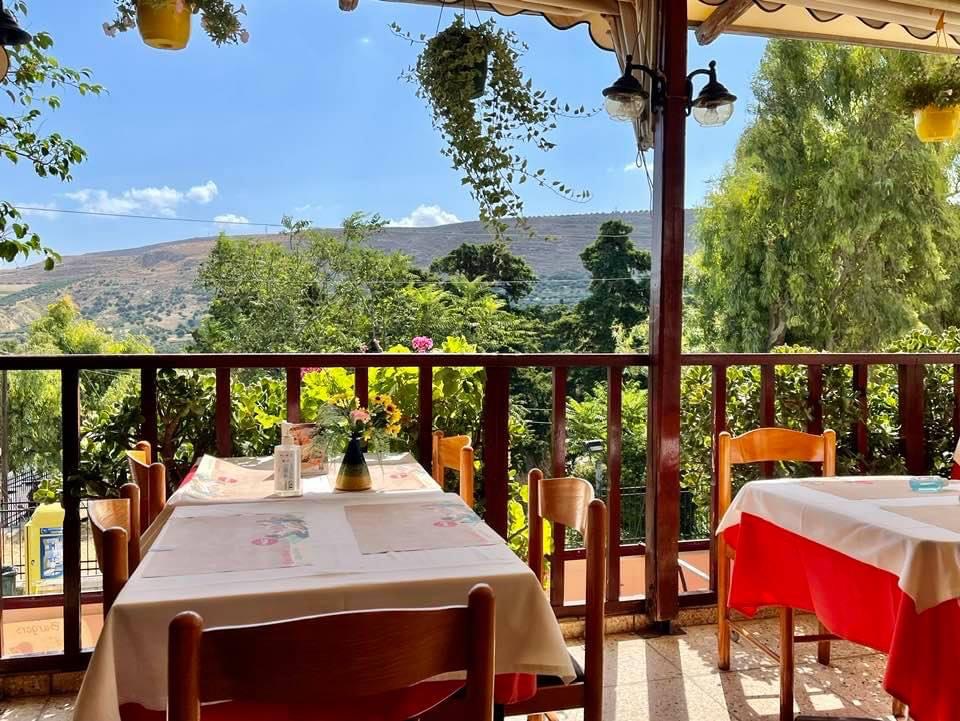
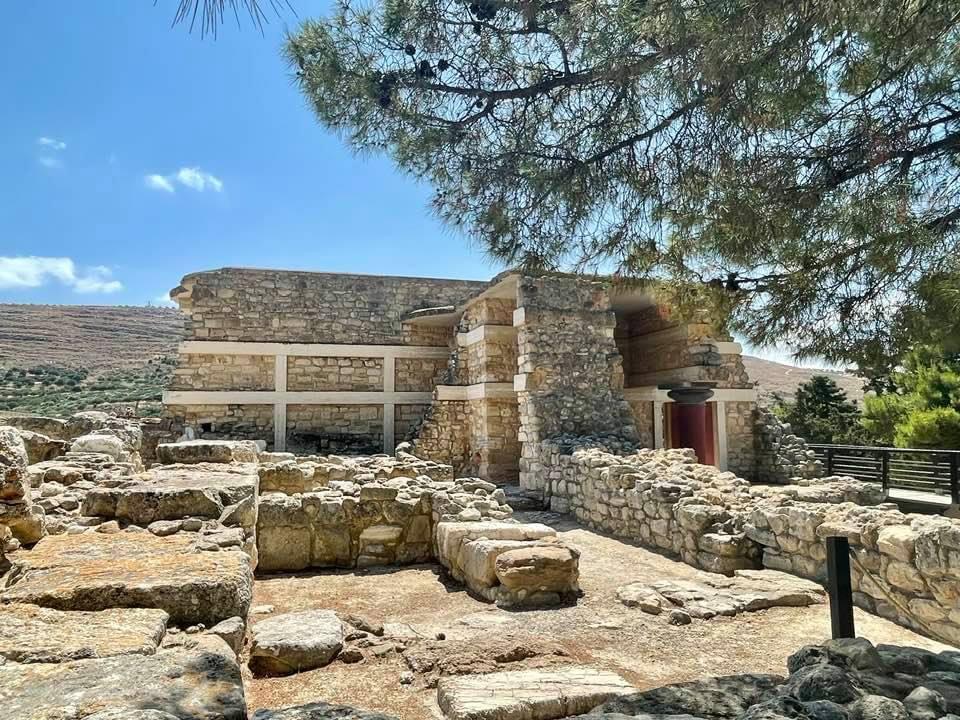
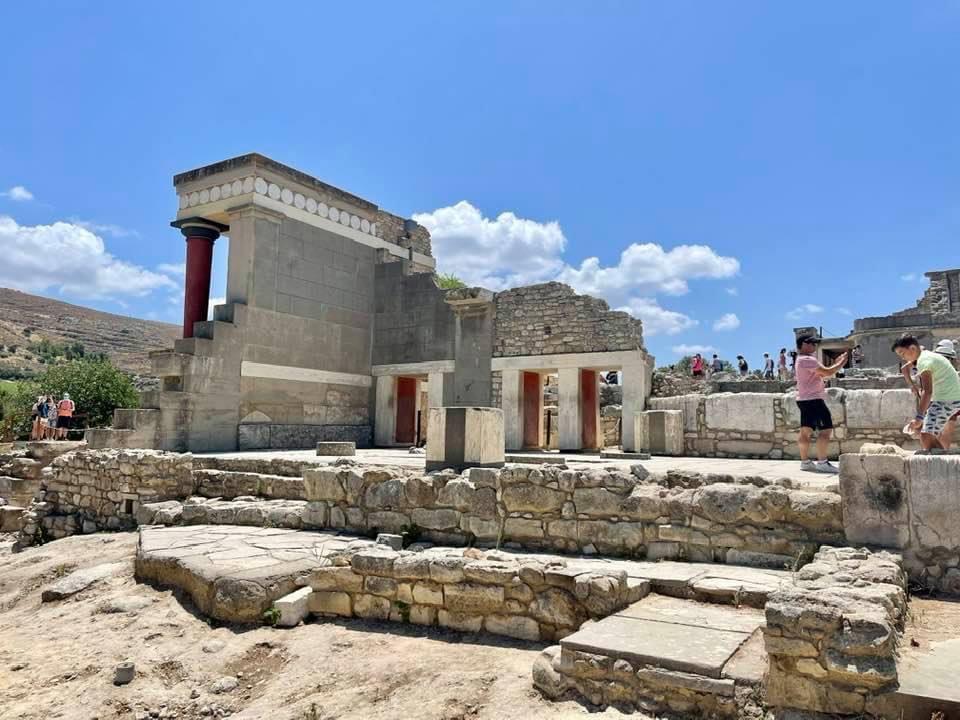
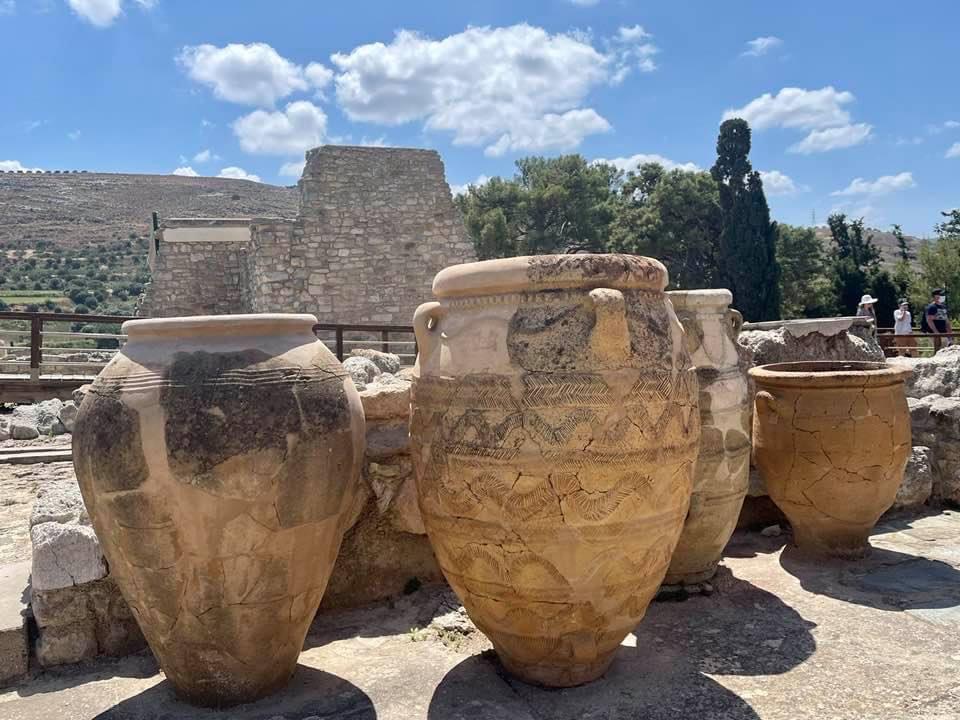
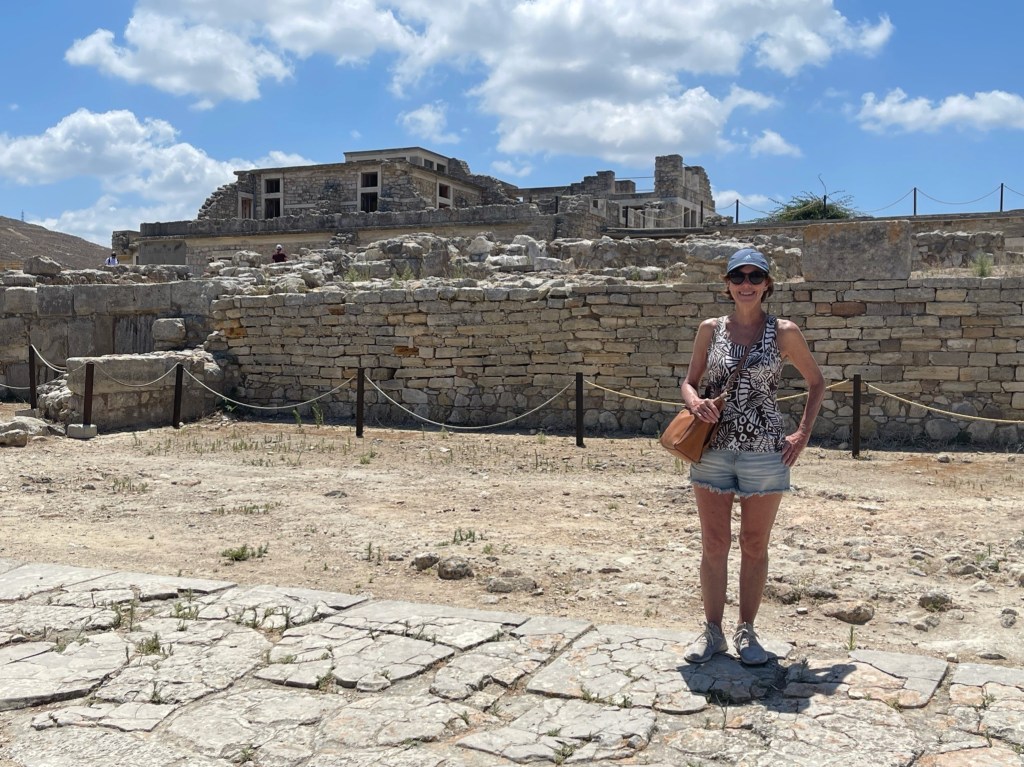
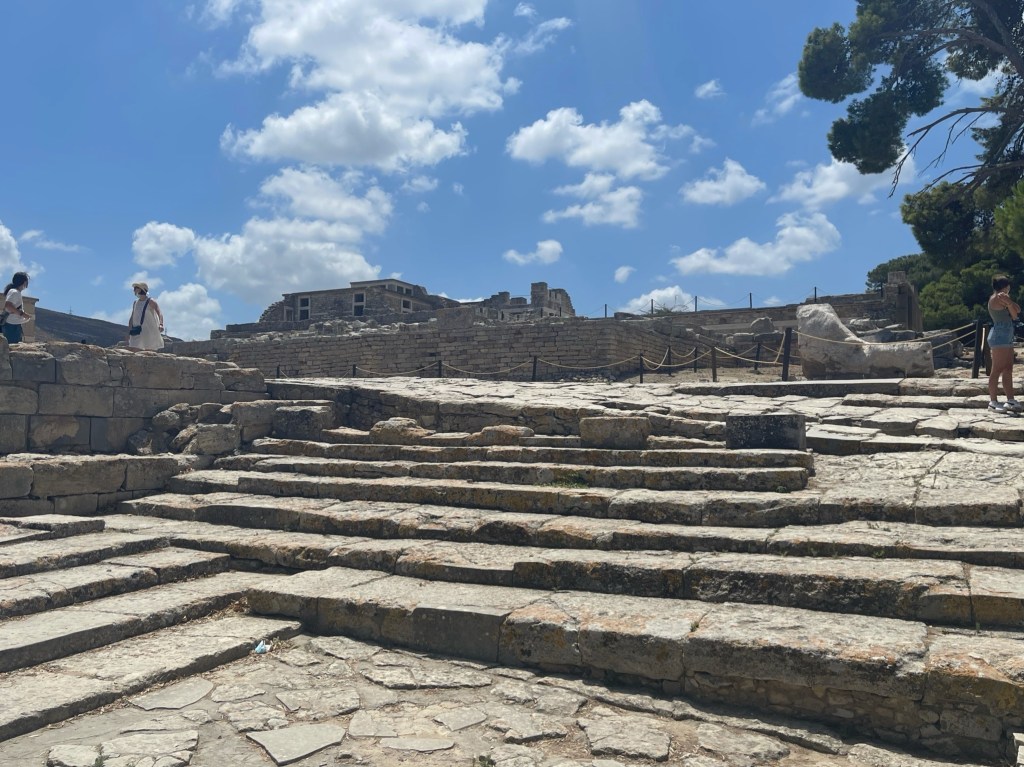
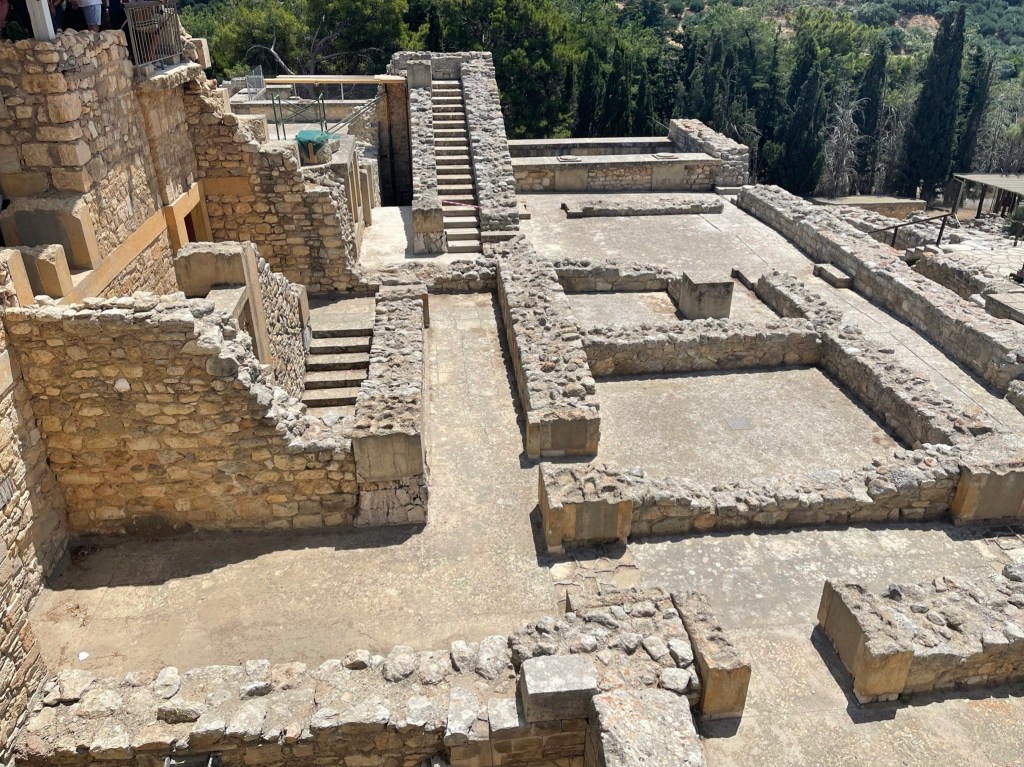
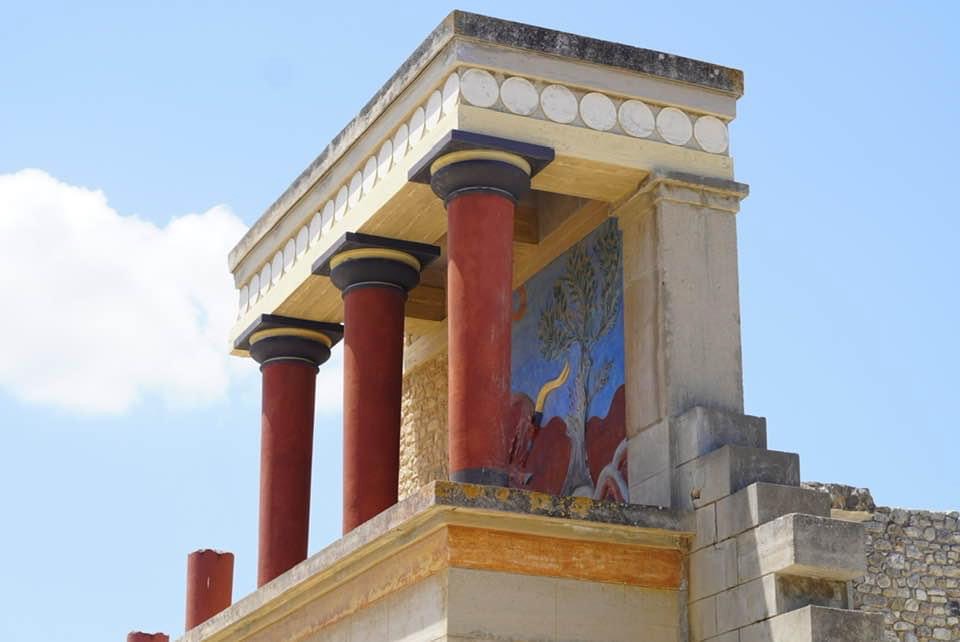
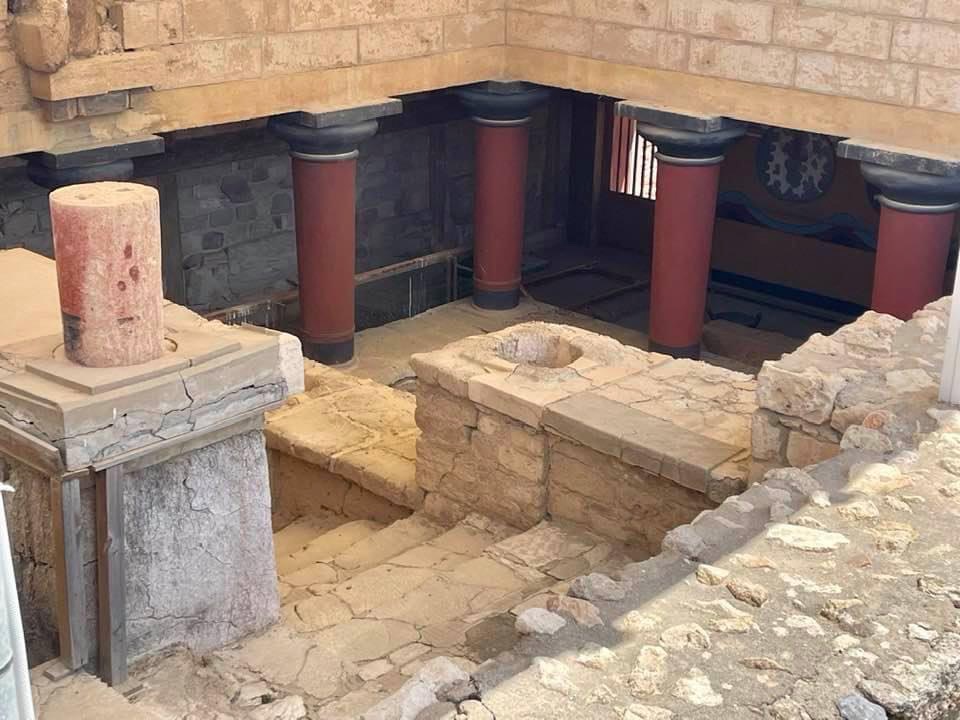
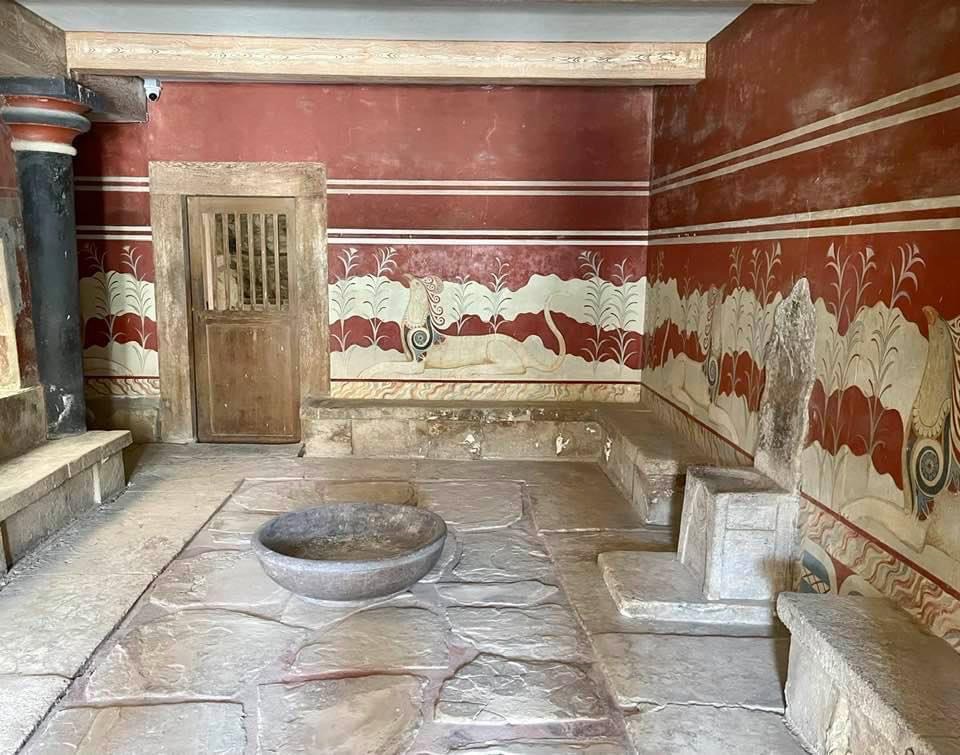
Knossos was first settled in the Neolithic age in around 7000 BC! The first palace of Knossos was built in the middle Minoan age around 1900 BC. Although palaces had been built before, this one was on a much larger scale; its grandeur must have been an unimaginable sight! The site is about the size of two football fields and includes a south entranceway with many twisting turns through a maze of a dark corridor which has made many people through the years think it was the mythological Labyrinth!
Reconstructed parts of the Palace of Knossos are shown in deeper colors so that visitors can distinguish the original parts from the ones that have been reconstructed.
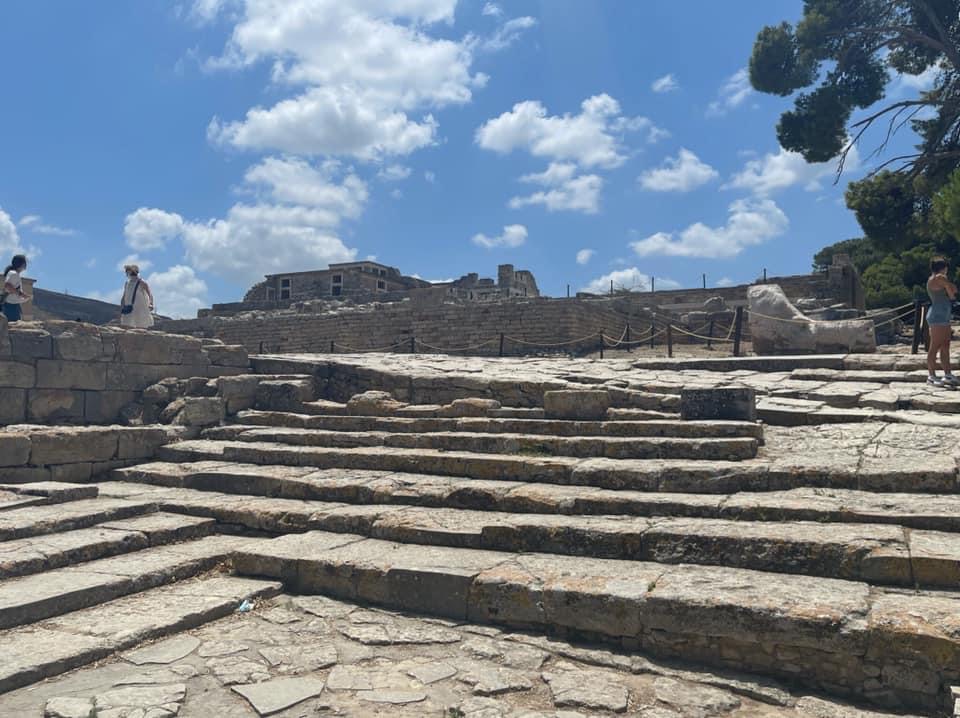
This theater was built in the Neopalatial period roughly 1750-1490. Spectators stood, instead of being seated, and watched, it is thought, religious ceremonies.
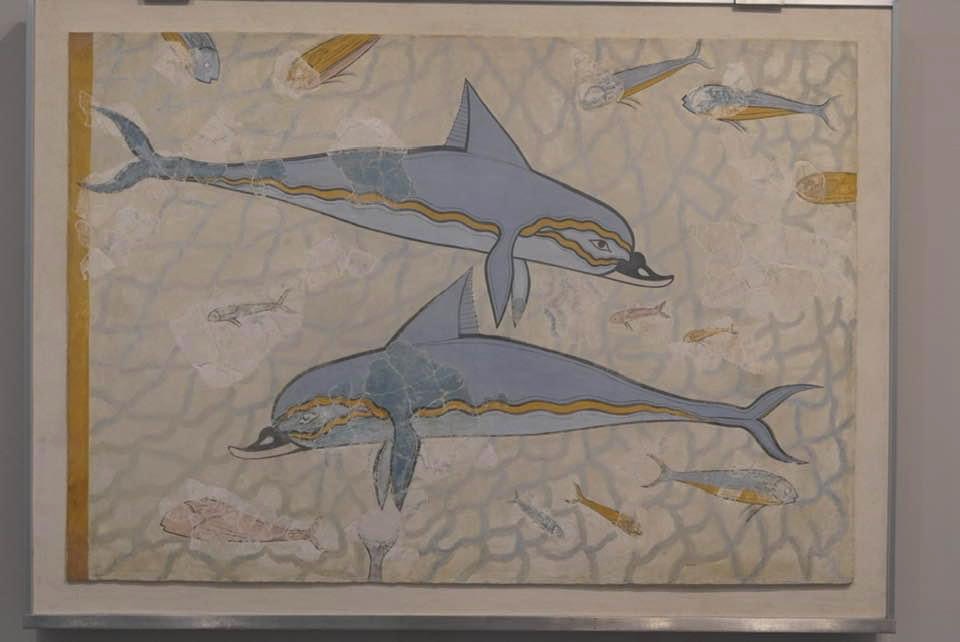
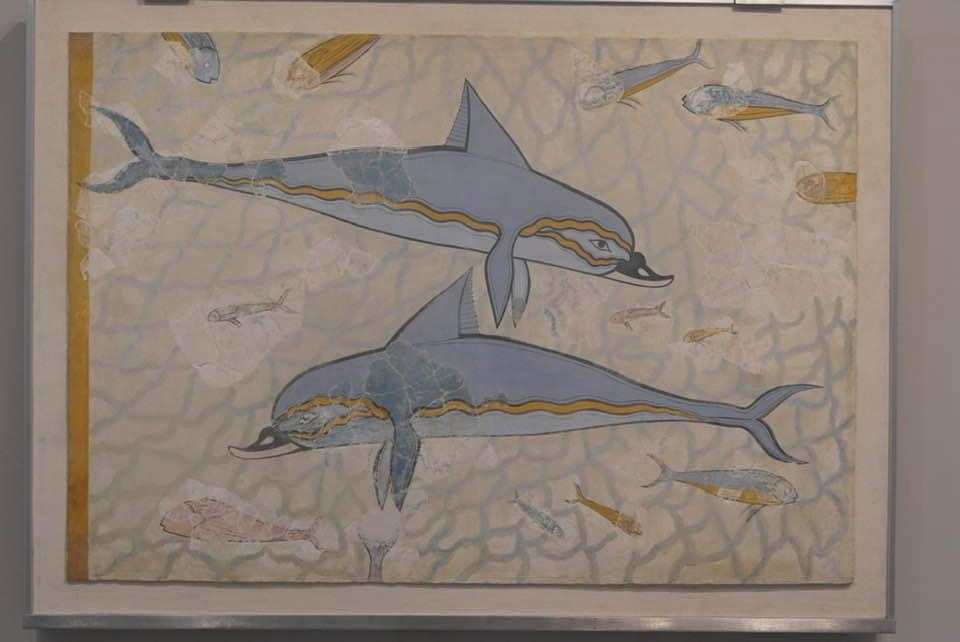
The queen’s megaron features a reconstructed fresco of dolphins swimming above the doorway.
The Heraklion Archaeological Museum
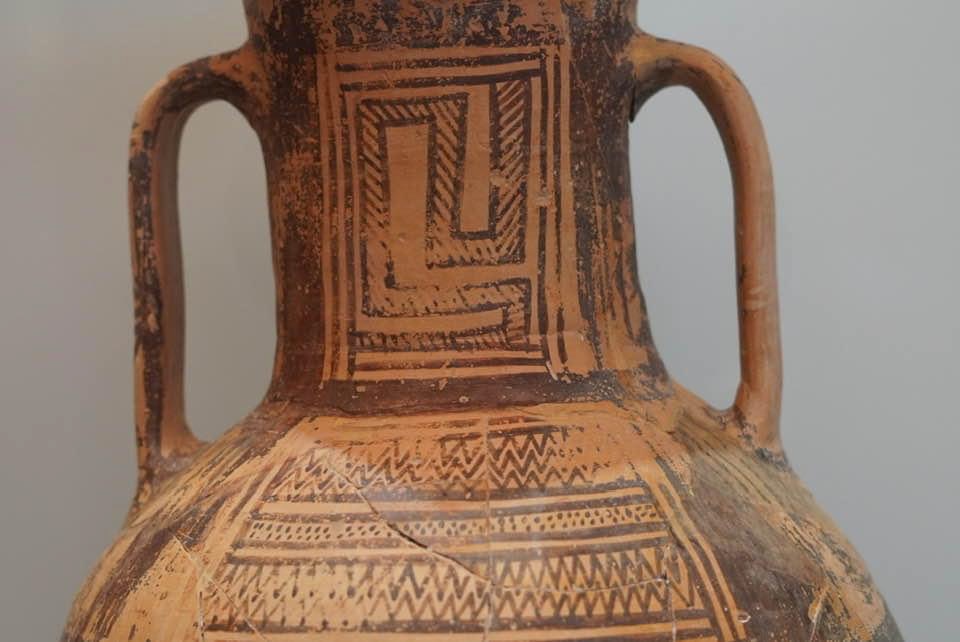
The Heraklion Archeological Museum houses countless artifacts from Knossos and is considered by far the most complete collection of artifacts from the Minoan age.
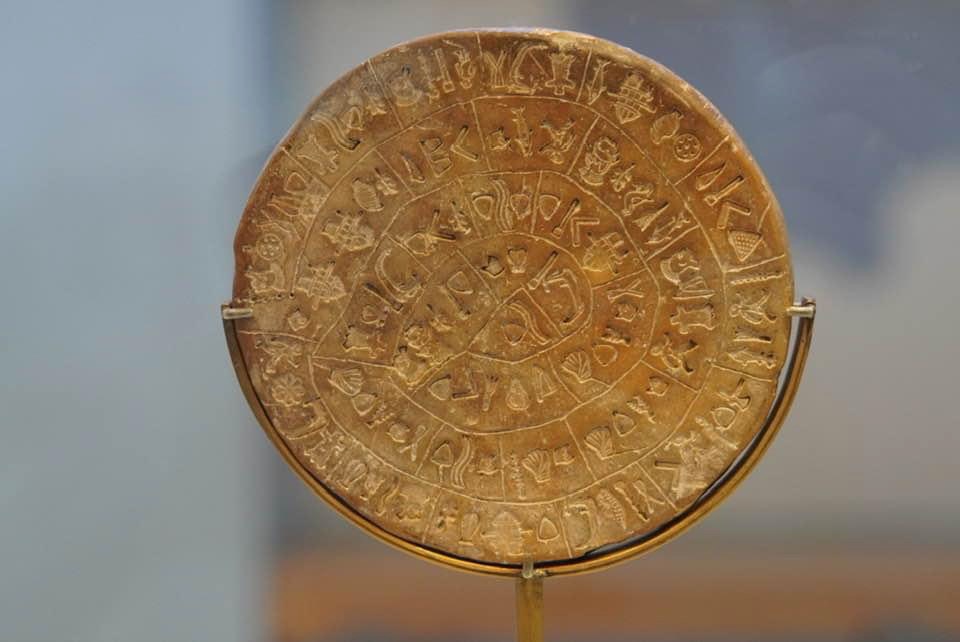
The Minoan writing system is to this day undeciphered. Thus, no one knows what is written on this 4000 year old clay disk, or even the purpose of it!
Heraklion
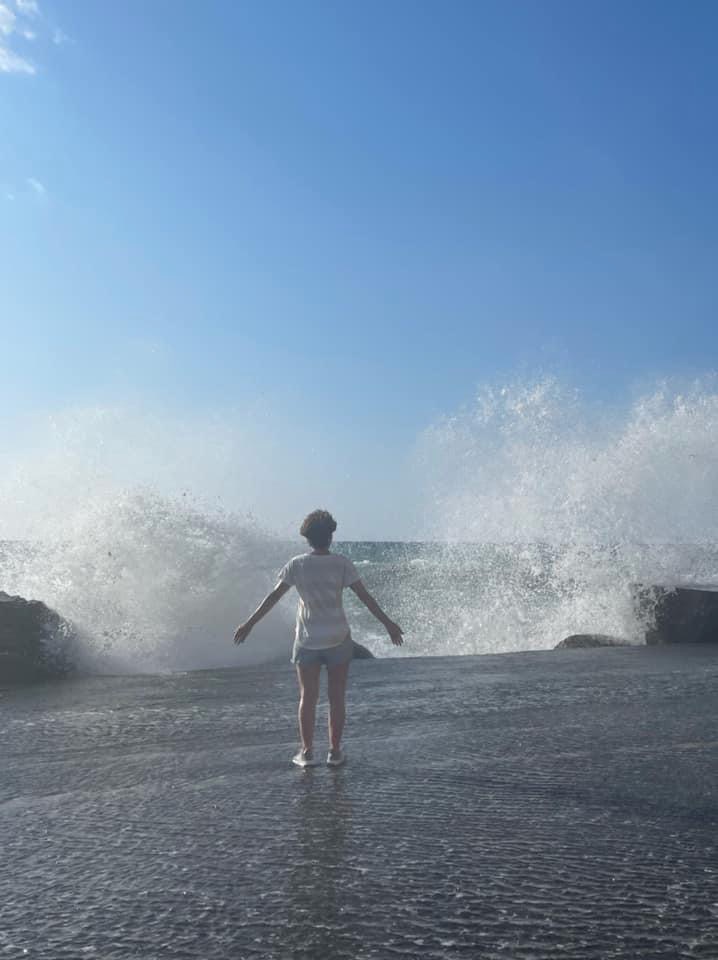
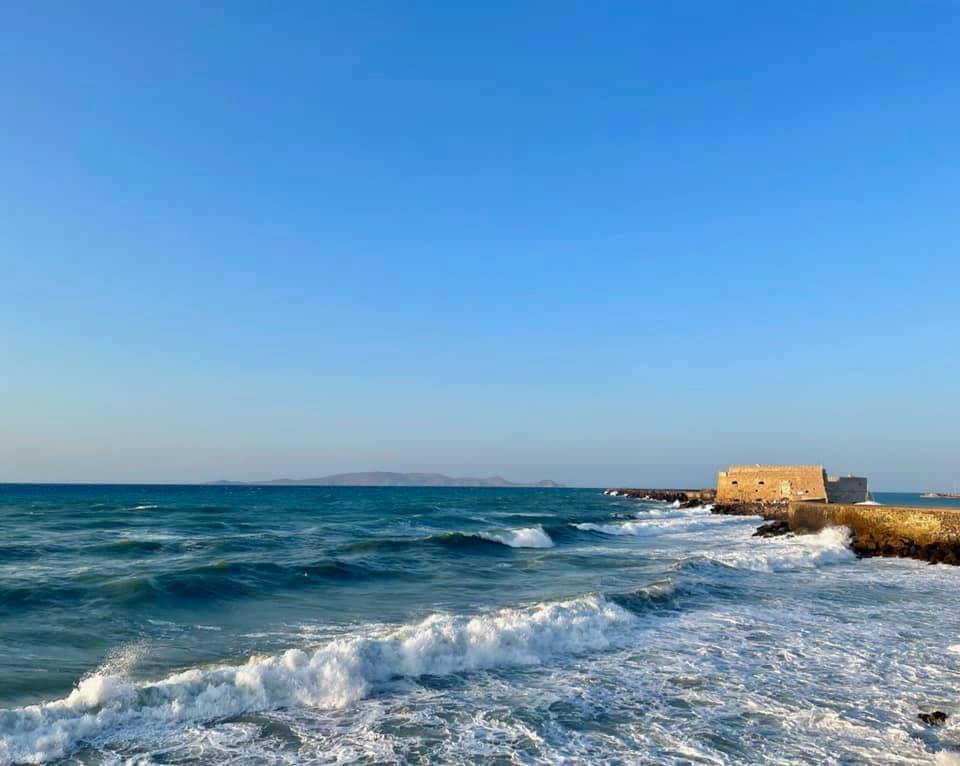
The waves at Heraklion were ENORMOUS. Across the boardwalk was the incredibly impressive Venetian castle of Heraklion called Koules (which, I learned, means fortress in Turkish.) The castle was originally constructed by Venetians in the early 13th century when they conquered the town. It has been used as a military base, prison, and storeroom throughout the years by the Genoese, the Ottomans, and others. The walls are very thick and divided into 26 apartments. The ground floor has a vaulted fanlight roof.
Chania
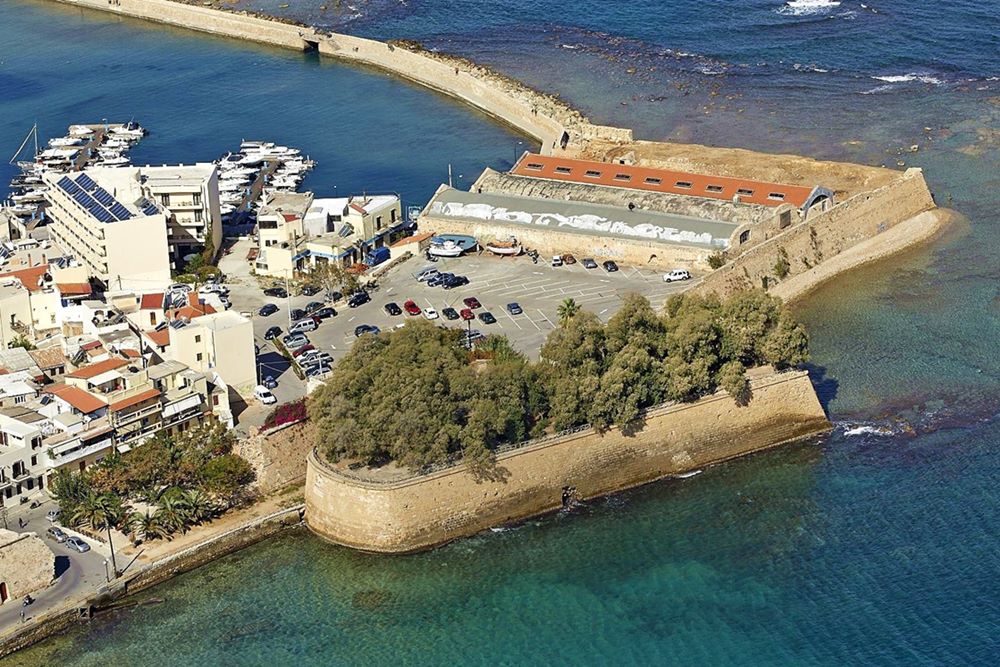
The city of Chania is surrounded by old stone walls, the inner walls built around 300 BC and rebuilt in the Byzantine era. The outer walls were built in the 16th century during Venetian rule in Chania. We took a bus to Chania for the day to walk around the picturesque city and harbor, then relax at the beach.
 Gayla's Blog